
Key Takeaways
- NASA reduces Boeing Starliner astronaut flights from six to four
- Next mission scheduled for April 2026 as cargo test flight
- Technical issues with thrusters and propulsion system under review
- Successful cargo mission required before crewed flights resume
NASA and Boeing have officially reduced the number of planned astronaut flights using the Starliner capsule from six to four, revising their original $4.5 billion contract. The decision comes after significant technical problems during previous missions, including one that left astronauts temporarily stranded on the International Space Station.
Contract Revision and Mission Changes
Under the revised Commercial Crew Program agreement, the final two flights of the original six-mission contract have been made optional. NASA confirmed the contract adjustment on November 24, eight months after the first and only Starliner crew returned to Earth following a prolonged ISS stay.
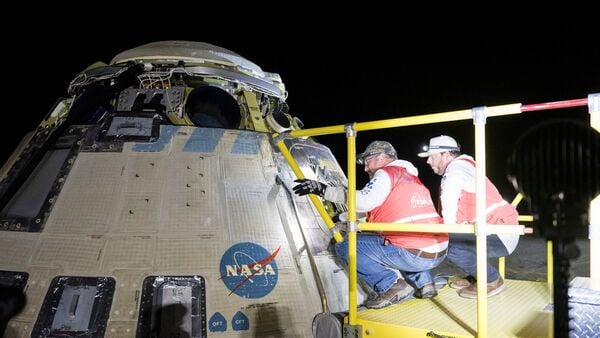
The previous mission involving NASA astronauts Sunita Williams and Butch Wilmore encountered multiple issues, forcing their return to Earth via a SpaceX flight nine months later. The troubled Starliner capsule was ordered to return empty.
Technical Challenges and Testing
Engineers are currently addressing problems with Starliner’s thrusters, propulsion system, and other technical faults that emerged during the last mission. “NASA and Boeing are continuing to rigorously test the Starliner propulsion system in preparation for two potential flights next year,” stated Steve Stich, NASA’s commercial crew program manager.
The upcoming Starliner-1 mission, scheduled no earlier than April 2026, will serve as a cargo test run to the International Space Station. This mission remains pending additional testing and certification before final confirmation.
Future Mission Outlook
If the cargo mission proves successful, NASA plans to resume crewed flights using Starliner before the ISS is decommissioned in 2030. The Reuters report noted this uncrewed test marks Boeing’s third such attempt, with costs exceeding $2 billion since 2016.
NASA originally signed contracts with both Boeing and SpaceX in 2014. While Boeing has faced challenges, SpaceX’s $2.6 billion contract has resulted in 12 successful NASA missions since its first astronaut flight in 2020.


