
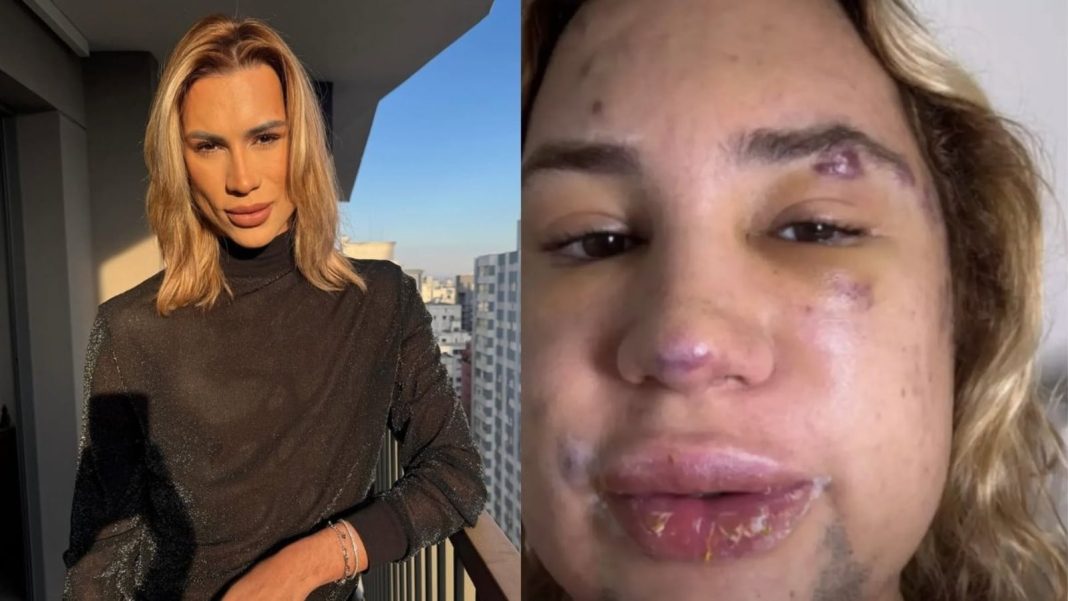
31-year-old fashion influencer dies after risky fox eyes surgery. Plastic surgeon Dr. Kiranmayi Atla shares essential precautions before cosmetic procedures.
In today’s influencer-driven world, cosmetic procedures are becoming increasingly popular, often with little awareness of their risks. A recent tragedy has sparked concern about the dangers of such procedures.
Brazilian fashion influencer Adair Mendes Dutra Junior, also known online as “Junior Dutra,” tragically died following complications from a cosmetic procedure called “fox eyes” surgery. She reportedly developed a severe facial infection, which later led to serious symptoms such as shortness of breath, ultimately resulting in his death.
In an interview with HT Lifestyle, Dr Kiranmayi Atla, Plastic and Reconstructive Surgeon at Beauty And The Cut Clinic in Faridabad and Noida, shared important precautions to follow before and after undergoing cosmetic surgery. 27 year old woman weighing just 22 kg dies after following extreme ‘fruitarian’ diet; Manipal doctors warn about dangers )
How can you prepare for cosmetic surgery
“If the cosmetic surgery is scheduled, patients are advised to stay well hydrated and eat a clean, anti-inflammatory diet,” Dr Atla explained. She also highlighted three things to avoid before any cosmetic procedure:
1. Herbal supplements: “These supplements can contain substances that act as blood thinners. They should be stopped at least seven days before surgery,” she advised.
2. Green tea: “You might be drinking green tea to stay slim, but before cosmetic surgery, it should be avoided for at least four days as it can also cause blood thinning.”
3. Smoking: “Smoking can severely affect your outcomes after surgery, so it is strongly recommended to stop smoking beforehand.”
View this post on Instagram
Dr Atla further emphasised the importance of proper planning before surgery. “Blood sugars, blood pressure, and thyroid levels must be under control, as with any major surgery. Patients should also stop all medications used for thinning blood,” she said.
Steps to take to reduce post-surgery complications
To minimise the risk of infection after cosmetic surgery, Dr Atla recommends following these steps:
- Follow all pre-operative instructions given by your surgeon.
- Practice very good hygiene and keep your incision sites clean and dry.
- Do not take a bath until your surgeon instructs you to.
- Take antibiotics exactly as prescribed and do not skip doses.
- Wear loose-fitting cotton clothing to avoid irritation.
- Avoid any form of tobacco, smoking, vaping, or chewing, for four weeks before and four weeks after surgery.
- Always stay hydrated. Drink plenty of water and fluids after your surgery.
She also advises patients to start light movement and wear compression garments if recommended. “This helps improve circulation and reduces swelling during recovery,” Dr Atla added.
Following these precautions can significantly reduce complications and ensure a safer, smoother recovery for anyone undergoing cosmetic surgery.
Note to readers: This article is for informational purposes only and not a substitute for professional medical advice. Always seek the advice of your doctor with any questions about a medical condition.


