
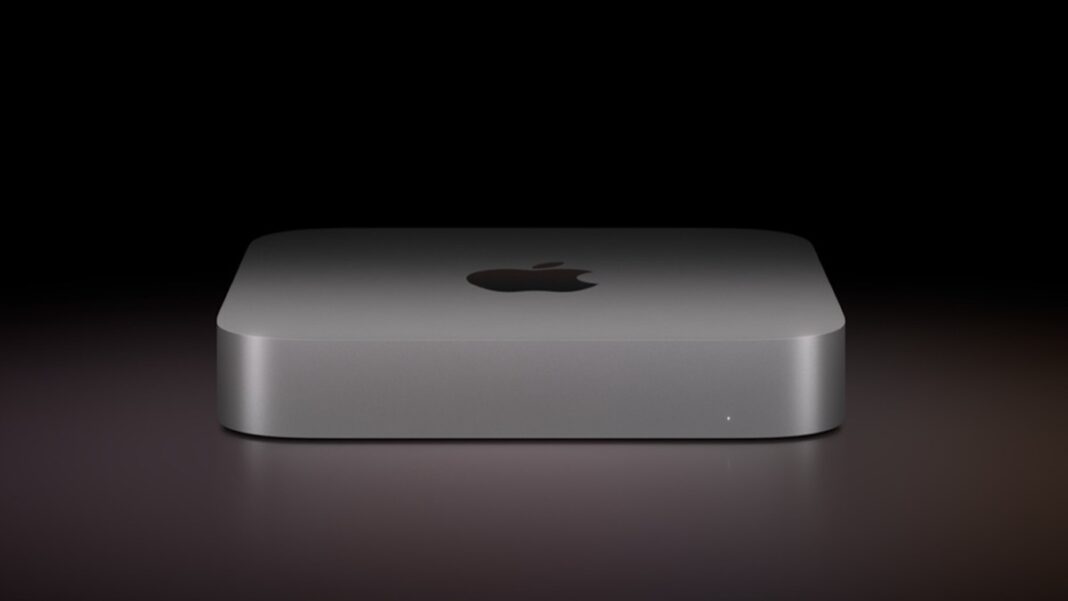
Apple has released its second-quarter revenue results for the financial year 2026. While its CEO Tim Cook is “over the moon excited” about India, as the iPhone grew in double digits in the country, there is another reason for the company to celebrate. The sale of Mac has grown despite analysts and investors predicting flat year-on-year growth, and not so surprisingly, AI is behind this growth. Cook attributed the Mac sales growth to the use of the platform for running local AI models, like OpenClaw.
“Both of these are amazing platforms for AI and agentic tools, and the customer recognition of that is happening faster than what we had predicted, and so we saw higher than expected demand,” Cook said of these Mac sales, as reported by TechCrunch.
He also noted that the Mac mini was the top-selling desktop in China — a market where the country has embraced AI, driven by encouragement from the very top of China’s leadership.
“We grew in both developed and emerging markets, with double-digit growth in many emerging markets, including India and Indonesia,” Apple CFO Kevan Parekh said.
Mac revenue beats expectations
Mac sales were up 6 per cent on an annual basis. Wall Street investors had expected to see Mac revenue in the low $8 billion range, but Apple reported $8.4 billion in the second quarter ended March 28.
While Apple attributed some of this success to recent product launches, including MacBook Neo, the new laptops were on sale for around one and a half months before the announcement of the results.
Supply constraints still a challenge
However, even after the increase in sales, Mac revenue was flat on a quarter-over-quarter basis. TechCrunch reported that Cook said it may take Apple “several months” to reach a supply-demand balance on the Mac mini and Studio models.
Cook’s statement suggests Apple is also dealing with RAM shortages caused by a surge in global memory demand that has led to increased RAM pricing. These memory shortages have previously caused some higher-tier Mac mini and Mac Studio models to go out of stock. Apple removed the 512GB Mac Studio from its online store entirely earlier this year.
“We’re not at the point where we’re saying this [constraint] is going to end anytime soon. And it’s not because of a problem, per se, other than we just under-called the demand,” Cook explained.


