
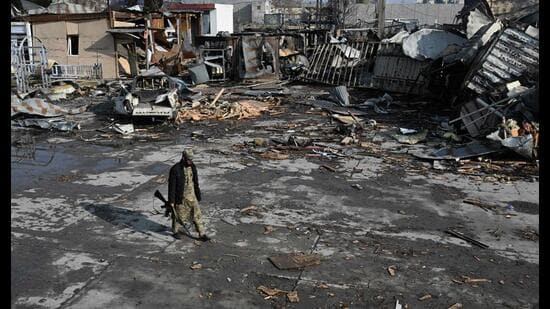
While the global community’s focus was on the tensions in West Asia, Pakistan and Afghanistan have engaged in a deadly round of hostilities that has gone largely unnoticed. Tensions between the two have been growing since last year and flared once again on February 26, two days before the US-Israel war against Iran started. Pakistan has carried out a series of air strikes in Afghan cities including Kabul and in border areas; it claims that these attacks targeted military and other facilities being used to support the Pakistani Taliban. The strikes have resulted in heavy civilian casualties. The most egregious attack was the one this week that hit a drug rehabilitation centre in Kabul, killing at least 400 people and injuring 250. Taliban officials have said other civilian structures have been targeted in recent days.
The Taliban understandably has few friends in the West, whereas Pakistan now appears to be in the good graces of the US administration, especially because of the rapport between President Donald Trump and field marshal Asim Munir. Both Islamabad and Washington want a pliant regime in Kabul and expected the Taliban to turn into one. That hasn’t happened, and the Islamist terror network the generals in Rawalpindi nurtured for decades is returning to haunt Pakistan. Instead of attacking Afghanistan, Pakistan should reflect on its conduct and engagement in the region to understand the violence within that State. Pakistan now has only a facade of democracy, with the army’s hand firmly steering security and foreign policies. The army has also unleashed troops on the Baloch and remains unapologetic about exporting terror to India. Pakistan’s war will further destabilise an already volatile region, and Islamabad’s few friends should advise the Field Marshal to call off the hostilities with Afghanistan.


