
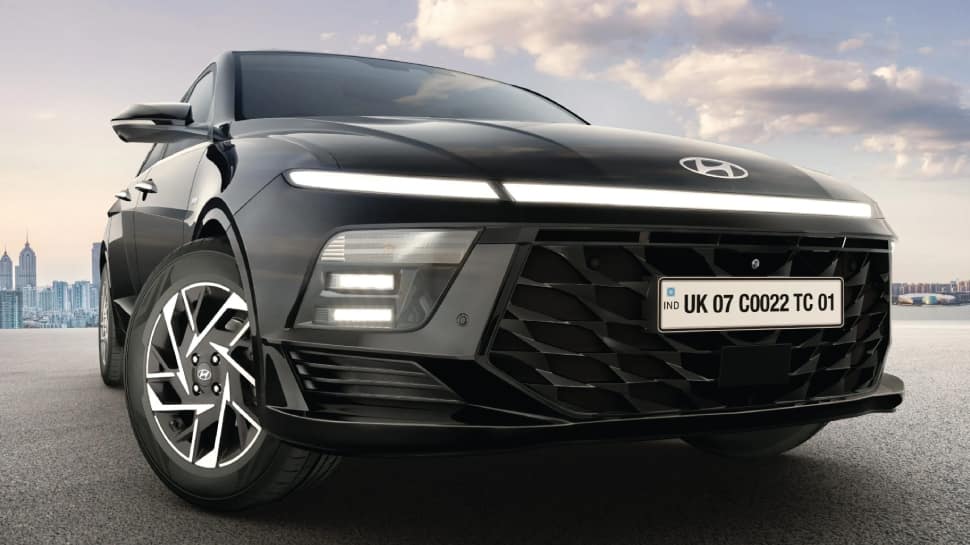
2026 Hyundai Verna Facelift: The updated Hyundai Verna has been launched in India. The launch itself was quite low-key, but the facelift brings several changes. Many of these updates address complaints people had about the earlier version. At the same time, a few features have been removed, and some things could have been better. Here’s a closer look at what the new Verna gets right and where it could have done better.
Exterior Design
One of the biggest complaints about the earlier Verna was its front design. Many car enthusiasts didn’t like that look. The facelift now brings a refreshed front bumper with sharper styling. It gets Y-shaped design elements, a hexagonal grille and larger headlamp units. The headlights have also been upgraded to dual-projector LEDs. Overall, the front now looks cleaner and more modern.
Other small changes include new alloy wheel designs and a slightly revised rear bumper. The rear now gets a silver insert and a diffuser-like centre section, adding a sportier touch. However, the full-width LED light bar at the front continues from the previous model. Hyundai likely kept it because changing it during a mid-cycle update would require major redesign work.
Another missed opportunity is the absence of sequential turn indicators. Several Hyundai models like the Hyundai Creta, Hyundai Alcazar and Hyundai Venue already offer them. The new Verna still uses simpler halogen indicators. Hyundai has also removed the cornering lights feature that was available earlier.
Interior And Features
Inside the cabin, the facelift brings a few welcome upgrades. One of the most noticeable changes is the new three-spoke flat-bottom steering wheel. It replaces the older two-spoke design and gives the cabin a more premium feel. Another major update is the fully digital 10.25-inch driver’s display. The earlier model had a partly digital unit borrowed from the older Venue. The new display, shared with the latest Hyundai Creta, looks much sharper and shows more information.
Depending on the variant, buyers also get several additional features. These include a 360-degree camera, blind-spot monitor, powered co-driver seat, memory function for the driver’s seat and Boss mode for rear passengers. A built-in dashcam and seven airbags are also part of the package.
However, the new Verna has lost a few comfort features. One major removal is heated front seats. The earlier Verna was the only mass-market car in India to offer this feature. It was especially useful in colder regions. Hyundai has also removed the cabin air purifier. With air pollution levels rising in many cities, this feature would have been useful and should ideally have been retained.
Price And Variants
The updated Verna now comes with a revised variant lineup. The trims are called HX2, HX4, HX6, HX6+, HX8 and HX10. The starting prices for the lower variants remain fairly competitive compared to the earlier model. However, some variants have become more expensive.
The petrol-CVT variants now start at around Rs 14.4 lakh, Rs 1.25 lakh more expensive. The turbo-petrol range has also been reduced to just three variants. Prices for the turbo models now begin at about Rs 16.28 lakh (Rs 1.76 lakh higher than the pre-facelift model) and go up to Rs 18.25 lakh (Rs 1.27 lakh pricier).


