
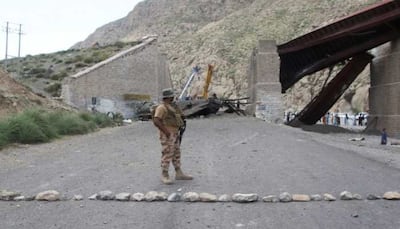
Why China and the US Are Alarmed by Balochistan Attacks
Recent targeted violence in Pakistan’s Balochistan province has triggered distinct but serious concerns in both Beijing and Washington, putting regional stability and major economic projects under threat.
Key Takeaways
- Attacks target Chinese CPEC projects and Pakistani forces, claimed by Baloch separatists.
- China fears for its massive Belt and Road investments and citizen safety.
- The US worries about regional instability and militant safe havens.
- Violence threatens Pakistan’s foreign investment and strategic partnerships.
China’s Core Concern: Protecting the CPEC
For China, the attacks represent a direct threat to its flagship China-Pakistan Economic Corridor (CPEC). As a pivotal part of the Belt and Road Initiative, billions are invested in Balochistan’s infrastructure. Beijing’s primary worry is the safety of its nationals and projects, leading to repeated calls for Pakistan to bolster security.
The US Perspective: Regional Security at Stake
The United States views the instability through a lens of broader security. Officials fear Balochistan could become a sanctuary for militant groups, endangering stability across South Asia and potentially threatening US interests. The violence underscores the persistent, complex challenges in the region.
Who is Behind the Attacks?
The latest assaults—on a convoy and a naval base—were claimed by separatist factions like the Baloch Liberation Army (BLA). These groups have waged a decades-long independence struggle, citing the province’s political marginalization and exploitation of its rich natural resources.
Broader Implications for Pakistan and Beyond
Analysts warn the escalating violence could severely strain Pakistan’s efforts to attract crucial foreign investment and maintain its vital partnership with China. It highlights the intricate security dynamics in a region where global powers have deep strategic and economic stakes.


