
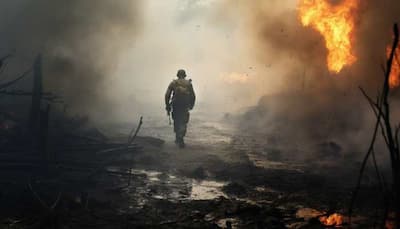
Why Modern Wars Don’t End: The Era of ‘Forever Wars’
Key Takeaways:
- Modern conflicts are shifting from clear victories to indefinite stalemates.
- Four key drivers—asymmetric warfare, geopolitics, institutional failure, and perverse incentives—fuel this trend.
- The human and global security costs are immense, demanding a new diplomatic approach.
A defining feature of 21st-century geopolitics is the rise of “forever wars”—conflicts that start but refuse to end. From Ukraine and Gaza to simmering tensions in the South China Sea and protracted African civil wars, the world is stuck in a cycle of grinding stalemates. This shift from decisive conclusions to indefinite conflict is the new, dangerous normal.
The End of the Traditional War
The old model of war—a clear start, decisive battles, and a negotiated peace—is fading. Today’s conflicts are marked by ambiguity, complexity, and alarming longevity.
Why Wars Won’t End: Four Key Factors
1. The Rise of Asymmetric Warfare
When non-state insurgent groups face conventional armies, victory becomes elusive. These actors blend with civilians, lack a central command, and are driven by non-negotiable ideologies. How do you defeat an idea with tanks?
2. Geopolitics as a Fuel
Major powers like the US, Russia, and China often sponsor regional conflicts, turning them into proxy battlegrounds. The war in Ukraine, for instance, is a frontline in the broader NATO-Russia struggle. This external support provides endless weapons and funds, prolonging wars indefinitely.
3. Paralyzed International Institutions
Global bodies like the UN, designed for peace, are often crippled by great-power vetoes. This paralysis blocks cohesive diplomatic action, leaving conflicts to fester.
4. The Perverse Incentive to Keep Fighting
For some regimes or militant leaders, perpetual “managed conflict” is useful. It rallies domestic support, distracts from failures, and can be profitable through war economies and resource control.
The Dire Global Consequences
The human cost is catastrophic: mass displacement, humanitarian crises, and a generation lost. These conflicts also breed terrorism, organized crime, and drain resources needed for threats like climate change.
Worse, frozen conflicts carry a constant risk of explosive escalation—a miscalculation in the Taiwan Strait or Korean peninsula could trigger a wider, catastrophic war.
Is There a Path to Peace?
Ending forever wars requires a fundamental diplomatic shift. The quest for total victory must give way to pragmatic, if imperfect, political settlements. It means engaging all stakeholders and tackling root causes—grievances, inequality, lack of opportunity—not just symptoms.
The alternative is a world perpetually on edge, with the drums of war as a permanent, unsettling background noise. The urgent challenge for leaders is to find the will and wisdom to silence them.


