
Key Takeaways
- Russia’s Kamchatka region was buried under over 2.5 metres of snow in 48 hours.
- The historic storm, starting January 17, 2026, brought the peninsula to a standstill.
- A state of emergency was declared; power outages and major disruptions were reported.
- No casualties have been reported as emergency services conduct rescue operations.
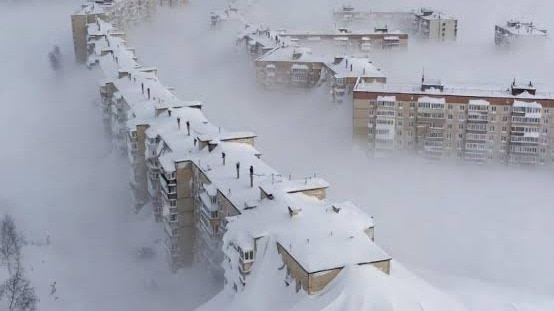
Russia’s remote Kamchatka peninsula has been brought to a standstill by an apocalyptic snowstorm, with buildings and roads completely buried under a record-breaking blanket of snow. Some areas received over 2.5 metres of snowfall in just two days, creating a state of emergency.
State of Emergency Declared
The extreme weather event began on January 17, 2026. The regional capital, Petropavlovsk-Kamchatsky, was among the worst-hit areas. Snowdrifts climbed to the second and third floors of residential buildings, trapping residents inside.
Local authorities declared a state of emergency. Heavy machinery worked non-stop to clear critical roads and reach isolated communities. Power outages were widespread, and officials urged people to stay indoors for their safety.
A “Historic” Meteorological Event
Meteorologists explained the unprecedented snowfall was caused by a powerful cyclone colliding with a high-pressure system. This created perfect conditions for intense, sustained precipitation.
“We are witnessing a historic weather event. The amount of snow that has fallen in two days exceeds the norm for the entire month of January,” a representative from the local hydrometeorological centre stated.
While Kamchatka is used to heavy snow, experts confirmed the storm’s intensity and volume were exceptional.
Climate Change Connection Discussed
The disaster has reignited discussions among scientists about how a warming climate amplifies extreme weather. Warmer air holds more moisture, which can lead to more intense precipitation events—including heavier snowfall when temperatures are below freezing.
Rescue Operations Underway
Emergency services are actively conducting rescue operations, checking on residents in snowbound homes. Fortunately, no casualties have been reported so far. However, the full impact of the storm is still being assessed as the region begins the monumental task of digging out.


