
Key Takeaways
- The US Supreme Court has cleared California’s Democratic-leaning congressional map for the 2026 elections.
- The decision rejects a Republican challenge alleging the state’s redistricting commission illegally used partisan data.
- The map, credited with aiding Democrats’ House majority, will remain in effect.
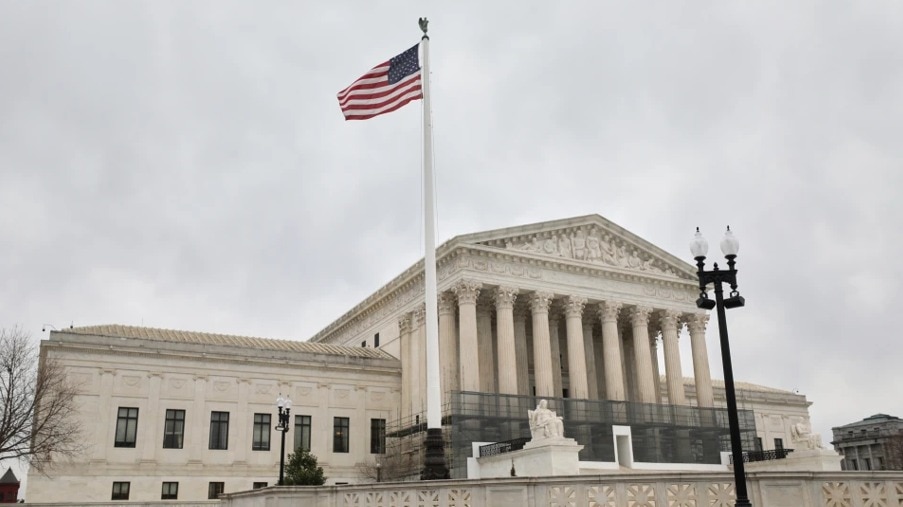
The US Supreme Court has paved the way for California to use its current congressional district map in the 2026 elections, dealing a blow to Republican challengers. The justices declined to hear the case, letting stand a lower court ruling that upheld the map drawn by the independent California Citizens Redistricting Commission.
The Republican Challenge
Republican voters and the group Fair Maps America had sued, arguing the commission violated the Constitution’s Equal Protection Clause. They claimed the use of partisan data diluted Republican voting power to protect Democratic incumbents.
A three-judge federal panel previously found no clear error in the commission’s work. The Supreme Court’s order means that decision is final.
Impact on House Control
The challenged map was used in the 2022 and 2024 elections and is seen as a factor in Democrats maintaining their narrow US House majority. California’s 52 congressional seats are the most of any state, making its district lines critically important for national political control.
Dissenting Voices
Justices Samuel Alito and Clarence Thomas dissented from the decision not to hear the case. Alito argued the commission’s actions raised serious constitutional issues that required the Court’s review.
“The commission’s admitted use of partisan data in drawing district lines appears to have been a central part of its process,” Alito wrote. “If that use violated the Constitution, as I believe it did, then the commission’s map cannot stand.”
Broader Redistricting Battles
This case is part of a wider wave of legal fights over electoral maps ahead of the 2026 elections, with major implications for which party controls Congress. The Supreme Court’s action sets a significant precedent for how independent commissions may operate.


