
The High-stakes trilateral ceasefire negotiations between the United States, Iran, and Pakistan began Saturday in Islamabad, marking the highest-level direct engagement between Washington and Tehran since the February 28 strikes.
The talks, aimed at stabilising a fragile ceasefire announced on April 8 and addressing broader regional security concerns, are taking place at the heavily secured Serena Hotel in the Pakistani capital.
Both the U.S. and Iranian delegations arrived amid tight security, with visuals from outside the luxury venue showing significant movement and protective measures.
Meanwhile, U.S. President Donald Trump indicated that talks with Iran are underway and expressed optimism that the Strait of Hormuz, a critical global oil shipping route that has been disrupted amid recent conflict, could reopen in the “not too distant future.”
In an interview with NewsNation, Trump referred to Iran as a “failing nation” but stated the U.S. is prepared to “reset” relations if negotiations do not progress as hoped. “We’re ready to go,” he added.
The American delegation is led by Vice President JD Vance and includes senior figures such as Steve Witkoff and Jared Kushner. Ahead of the trilateral discussions, Vance held a high-level bilateral meeting with Pakistani Prime Minister Shehbaz Sharif, according to a White House statement.
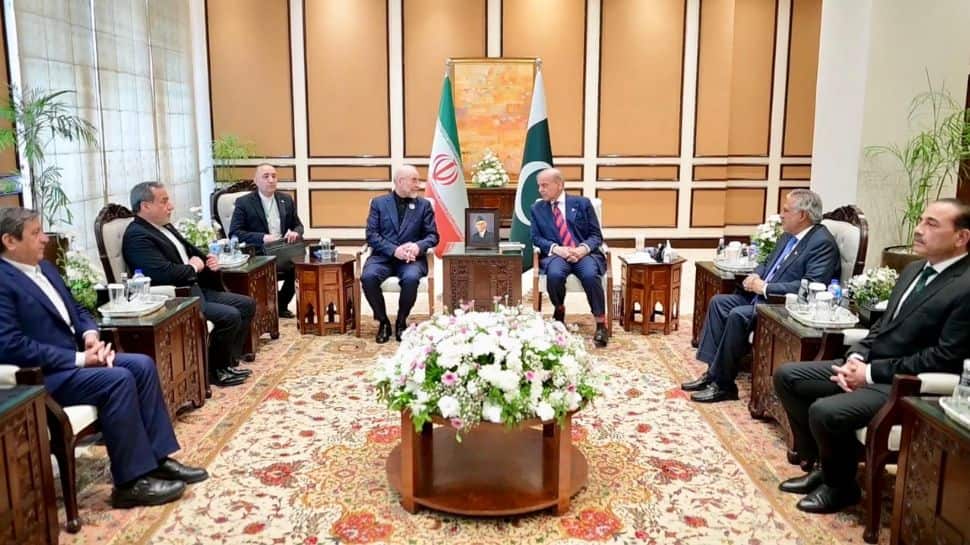
The Iranian side, which held a preparatory strategic meeting in Islamabad, is led by Parliament Speaker Mohammad Bagher Ghalibaf and Foreign Minister Abbas Araghchi.
Both senior officials also met with Prime Minister Sharif prior to the formal U.S. engagement. Sharif has described the negotiations as “make or break,” underscoring the high stakes involved in solidifying the ceasefire and charting a path toward lasting regional stability.
Iranian First Vice President Mohammad Reza Aref struck a cautious tone ahead of the talks.
In a post on X, he suggested a mutually beneficial agreement is possible if the U.S. delegation pursues an “America First” approach.
However, he warned that if negotiators prioritise “Israel First,” no deal would materialise, and Iran would “continue our defence even more vigorously than before,” with potentially higher costs for the world.
The trilateral format, with Pakistan playing a key mediating role, comes after weeks of intense regional conflict that has disrupted energy flows and raised global concerns.
The ceasefire, announced earlier this week, has so far held tenuously, with both sides now seeking a more permanent resolution.
The world watches closely as the talks unfold, with outcomes potentially influencing oil markets, regional alliances, and the broader Middle East security landscape.


