
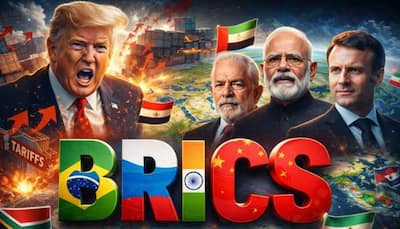
Trump Tariffs Push Global Powers Towards BRICS Bloc
Donald Trump’s proposed 10% tariff on all imports is accelerating a major global realignment, with nations increasingly looking to the BRICS alliance as a strategic counterweight to Western economic dominance.
Key Takeaways
- Trump’s “America First” tariff plan is forcing countries to hedge their economic bets.
- BRICS offers an alternative to IMF and World Bank, attracting the “Global South”.
- Five new members joined in 2024, with many more expressing interest.
- The shift is pragmatic, driven by a desire for stability in a fragmenting world order.
Why BRICS is Gaining Appeal
The core appeal of the BRICS bloc lies in its promise of an alternative to Western-led institutions. For developing nations, it represents a platform for cooperation not dictated by Washington or Brussels. The group’s New Development Bank (NDB) and Contingent Reserve Arrangement (CRA) offer potential paths for funding and currency stability outside the traditional dollar system.
Tariffs as a Catalyst for Change
Trump’s tariff threat acts as a powerful catalyst. The fear of getting caught in a US-China trade war or facing unilateral American tariffs is pushing countries to seek strength in numbers. Aligning closer with economic powerhouses like China and India within BRICS is seen as a way to mitigate risk and secure alternative markets.
The Expansion is Already Underway
This trend is clearly visible. Since early 2024, five new members—Egypt, Ethiopia, Iran, Saudi Arabia, and the United Arab Emirates—have joined BRICS, with dozens more in line. This expansion signals a growing desire to be part of a counterbalancing coalition. The move is pragmatic, focused on ensuring economic stability in a fragmenting world.
The New Hedging Strategy
For nations like Saudi Arabia and the UAE, their BRICS membership—alongside traditional US security ties—exemplifies this new hedging strategy. They are diversifying their diplomatic and economic portfolios to navigate a future where American policy may turn more protectionist.
A Fundamental Global Shift
Ultimately, this realignment underscores a fundamental shift. The post-Cold War era of unchallenged Western economic leadership is over. Countries are now preparing for a world where power is more dispersed and alliances are fluid, based on immediate national interest. The rush towards BRICS is a direct response to this volatility, marking a decisive step towards a multipolar global order.


