
Key Takeaways
- The Strait of Hormuz handles 20% of global oil daily, making it a vital energy artery.
- Its narrow geography makes it vulnerable to blockades, threatening global oil prices.
- Major Gulf producers and Qatar’s LNG depend entirely on this route.
- Persistent tensions, especially involving Iran, keep the region a geopolitical flashpoint.
The Strait of Hormuz is the world’s most critical oil chokepoint, where any disruption can trigger a global energy crisis. This narrow sea lane between Iran and Oman sees a fifth of the planet’s oil supply pass through daily, placing it at the heart of geopolitical and economic security.
Why the Strait of Hormuz is a Global Chokepoint
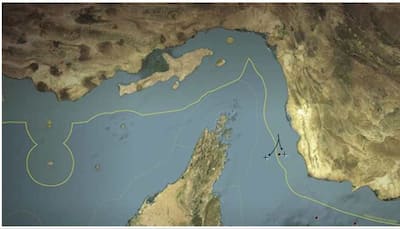
The strait forms the only sea passage from the Persian Gulf to the open ocean. At its narrowest, it is just 21 miles across, with shipping channels a mere two miles wide in each direction. This geography makes it inherently vulnerable to blockades or military action.
Any major disruption here causes immediate spikes in global oil prices, impacting economies everywhere. Nations like Saudi Arabia, Iraq, the UAE, and Kuwait depend almost entirely on this route for their crude exports. It is also the primary route for Qatar’s massive liquefied natural gas (LNG) shipments.
Geopolitical Tensions and Security
Iran, which controls the northern coast of the strait, has repeatedly threatened to close it during periods of international sanctions or conflict. However, such a move would cripple Iran’s own economy, which also relies on the waterway.
Due to its strategic value, the strait is under constant surveillance. The U.S. Fifth Fleet, based in Bahrain, leads efforts to ensure freedom of navigation. Despite this, recent years have seen tanker seizures and attacks, highlighting ongoing risks.
The international community maintains high vigilance. The stability of this narrow waterway is directly tied to global energy security and economic stability, making it a permanent focus of diplomatic and military planning.


