
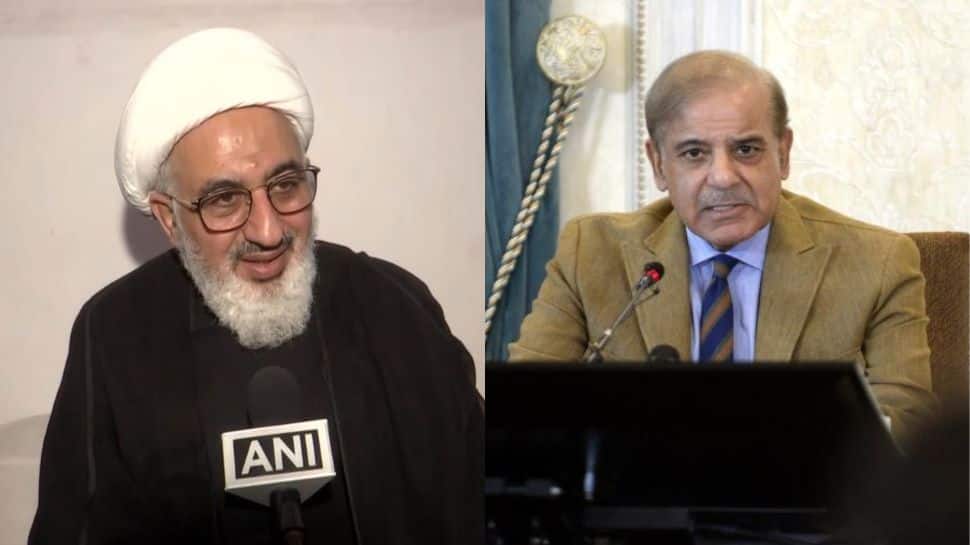
Amid growing speculation about Pakistan’s alleged role in facilitating talks between Iran and the United States to de-escalate the ongoing West Asia conflict, the Representative of the Supreme Leader of Iran in India has firmly dismissed such claims, clarifying that Pakistan has no involvement in the matter.
In an interview with ANI, a representative of the Supreme Leader of Iran Abdul Majid Hakeem Ilahi said that such claims were aimed at influencing global oil prices rather than reflecting genuine diplomatic efforts.
“They don’t have any role in this one. This conversation between Iran and America through Pakistan wasn’t true because they just wanted to stop the price of oil by just talking. Even when they are not serious about talking, they are not serious about negotiation, and they are not serious about conversation. They only wanted to use some countries; they said that we want to have a conversation, we want to have a dialogue, we want to have a talk, but it’s not true,” he stated.
Responding to a question on whether India could play a role in peace efforts, Ilahi said that all countries, including India, could contribute positively to ending the conflict, ANI reported.
This comes amid growing speculation about Pakistan’s alleged role in facilitating talks between Iran and the United States to end the war between Iran and the US.
Earlier speculation was rife that Iran had dismissed Pakistan’s role in the peace-making process; however, it was later made clear by Iran’s Foreign Minister Seyed Abbas Araghchi that Tehran has never rejected mediation talks in Islamabad, following reports that Pakistan’s facilitation efforts hit a snag.
In an X post, Araghchi said, “We are deeply grateful to Pakistan for its efforts and have never refused to go to Islamabad. What we care about are the terms of a conclusive and lasting END to the illegal war that is imposed on us.”
Speculation about Pakistan mediating an end to the Iran-US war started after Trump shared a message of Pakistan Prime Minister Shehbaz Sharif offering to host talks between the US and Iran.
The war, now in its second month, started after Israel and the US launched a surprise attack on Iran on February 28, killing Iran’s Supreme Leader Ayatollah Ali Khamenei and several senior Iranian leaders. After the attack, Iran retaliated by launching attacks on US bases and closing the Strait of Hormuz through which 20 per cent of the world’s oil passes. Iran later allowed a few friendly countries to pass through the strait, including China, Russia, India, Pakistan and Iraq.
There is no sign of an end to this war. Iran has intensified attacks on US bases and has threatened attack on US tech companies. Iran has also threatened to close or blockade another oil passageway, the Bab el-Mandeb Strait. Iran has also warned of cutting internet cables in the Red Sea region. It has also refuted claims of defeat made by the US and has reportedly managed to recruit 1 million fighters to its forces.
Whereas the US stance remains firm, with President Trump issuing ultimatums and threatening further devastating strikes unless Iran accepts Washington’s terms for a ceasefire and reopens the Strait of Hormuz.
(With ANI Inputs.)


