
By Maj Gen Retd Ashwini Siwach
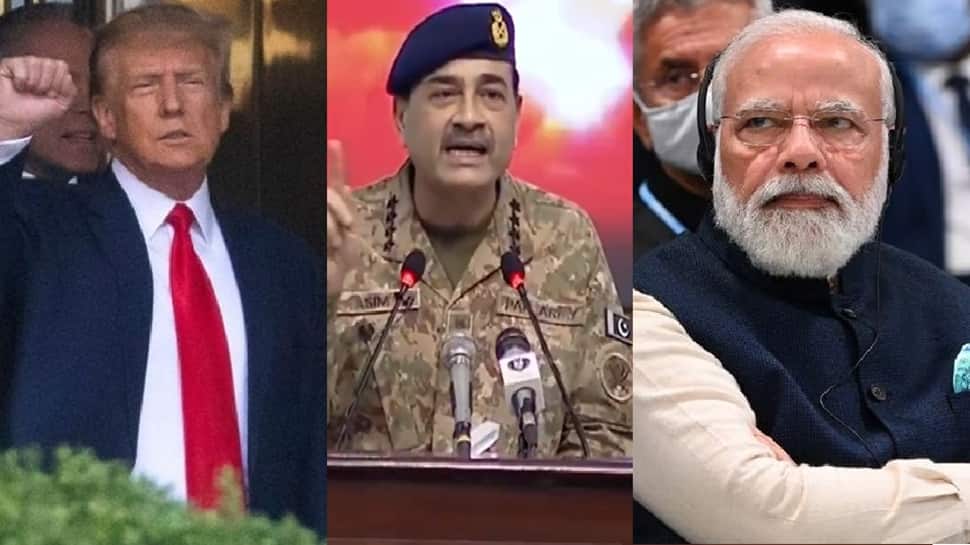
The situation regarding the US-Israel-Iran conflict is fluid, with active, high-stakes diplomacy involving a 15-point plan proposed by US President Donald Trump. The 15-point plan is on the table, but the conflict continues. Pakistan is actively acting as a messenger and mediator despite challenges, while India remains a significant regional power with strong and dynamic leadership, with potential influence in a larger diplomatic framework.
How will ‘mediator’ Pakistan relay messages in US-Iran talks? While Iran may have agreed reluctantly to mediation, the process now also hinges on Iran’s five-point plan, which also includes complete sovereignty of Iran over the Strait of Hormuz, payment of damages incurred during the war, and vacation of all US bases from the Middle East.
Can Trump’s 15-Point Plan Stop the Conflict?
According to reports, the Trump administration has sent a 15-point proposal to Iran proposing a month-long ceasefire to enable negotiations. The plan includes strict curbs on Iran’s nuclear program, dismantling missile capabilities, ending support for proxies, and reopening the Strait of Hormuz. In return, the US would lift sanctions.
While Trump has expressed optimism that “many calls and meetings are taking place,” Iran has officially dismissed reports of negotiations as “fake news” and vowed to continue fighting. The plan faces high hurdles due to the intense nature of the conflict and deep-seated mistrust, although it constitutes a serious attempt at a diplomatic breakthrough.
Can Pakistan Play the Role of Mediator?
Despite historical complexities, Pakistan may have emerged as a key, and perhaps a mediator by default in this specific conflict.
Why Pakistan? Pakistan has close ties to Tehran, shares a border, and hosts the Iranian Interest Section in the US, acting as a diplomatic conduit since 1979. Simultaneously, Pakistani leadership, especially Army Chief Asim Munir, claims that it has established a strong rapport with Donald Trump.
Pakistan has offered to host talks in Islamabad and is actively facilitating communication between the two sides. Reports indicate that Iran may have agreed reluctantly to mediation, signaling consent to participate.
While mistrust still exists, analysts suggest Pakistan is one of the few neighbors that Iran may not fully trust to manage such sensitive talks, but Iran does not have much choice in the Muslim world.
Is India a Better Choice as Mediator?
India maintains strong, balanced relations with the US, Israel, and Iran and is recognized for its diplomatic maturity and dynamic leadership. India prioritizes strategic autonomy, maintaining energy and Chabahar Port ties with Iran while engaging closely with the US and Israel. Iran’s President, in conversations with Prime Minister Modi, has highlighted that peace hinges on the immediate cessation of attacks by the US and Israel.
While India is a formidable diplomatic power, current reports indicate that Pakistan is taking the lead in immediate, active mediation (back-channeling the 15-point plan) due to its unique position as a broker/dalal in the immediate geography and its willingness to bend backwards towards US interests.
(Maj Gen Retd Ashwini Siwach has over 36 years of operational experience entailing planning and conduct of extensive military manoeuvres. He participated in major operations undertaken by the Indian Army and also headed the Territorial Army.)


