
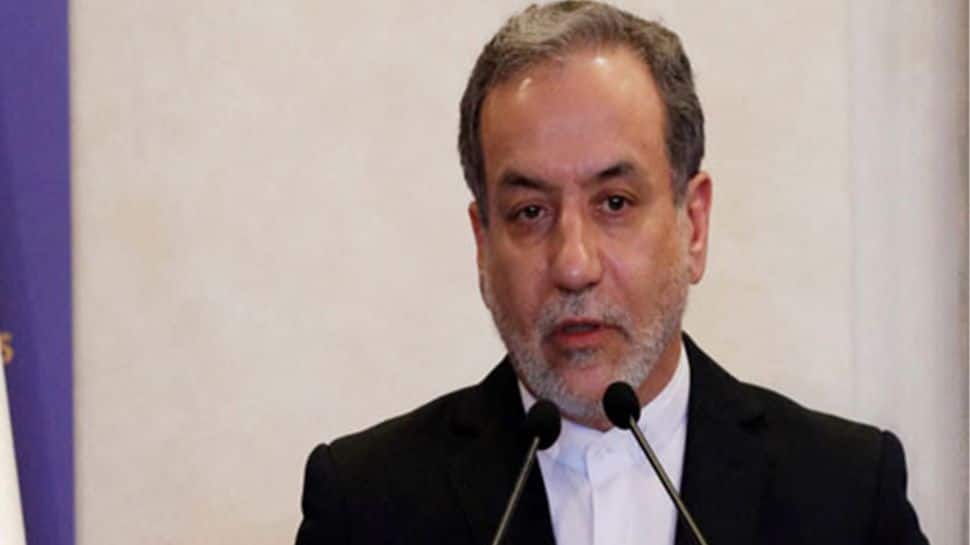
Iran’s Foreign Minister Abbas Araghchi said he has been receiving direct messages from US special envoy Steve Witkoff, but stressed that this does not mean Tehran and Washington are engaged in “negotiations.”
While speaking to Al Jazeera, Araghchi said, “I receive messages from Witkoff directly, as before, and this does not mean that we are in negotiations.”
Araghchi said that Iran has neither replied to the US’s 15‑point proposal nor set forth any conditions in response.
He added that the Islamic Republic is willing only to see a complete end to hostilities across the entire region, not just a temporary ceasefire, and reiterated that Tehran has reservations about entering negotiations with Washington.
On Tuesday, Araghchi condemned Israel for “unashamedly” bombing pharmaceutical companies, which he said are part of the Iranian infrastructure targeted by the US and Israel since the war started.
“Their intentions are clear. What they’ve gotten wrong is that they’re not dealing with defenseless Palestinian civilians. Our Powerful Armed Forces will severely punish aggressors,” he wrote on X.
Over a month after the US and Israel carried out their initial strikes, Iran continues to assert control over the Strait of Hormuz.
Araghchi has ruled out the prospect of diplomatic breakthroughs with Washington, saying that the “trust level is at zero” between the two nations. He added that Tehran sees no “honesty” in US conduct and has “never had a good experience from negotiations” with the American government.
The Foreign Minister cited past failed agreements and recent hostile actions as the main factors behind the present diplomatic deadlock.
“One time, years ago, we negotiated, and we even got a deal, and then the US withdrew without any explanation. And twice last year and now this year, we negotiated with the US, and the result was an attack by them,” Araghchi said.
US President Donald Trump urged countries that did not assist the US in actions against Iran to “go get your own oil.” In a post on Truth Social, he stated that nations that “refused to get involved in the decapitation of Iran” should either purchase oil from the US or pass through the Strait of Hormuz and “just take it.”
Iran’s firm grip on the Strait of Hormuz, the crucial waterway linking the Persian Gulf to the open ocean that normally carries about a fifth of global oil exports, has pushed up oil prices worldwide, and Tehran’s assaults on nearby energy infrastructure have further contributed to price rises. These disruptions have unsettled international stock markets and increased the cost of many everyday goods.


