
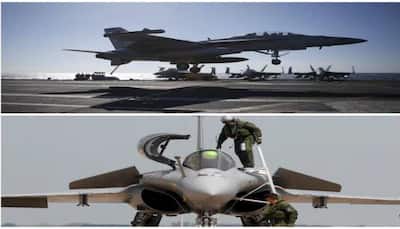
India’s Rafale Outperforms US F-18 Super Hornet in Simulated Combat
In a recent joint training exercise, India’s French-made Rafale fighter jet demonstrated clear superiority over the US Navy’s F/A-18 Super Hornet in simulated beyond-visual-range combat. The outcome signals a potential shift in global air power dynamics and is a major boost for the Indian Air Force.
Key Takeaways
- India’s Rafale jet outperformed the US F/A-18 Super Hornet in a simulated combat drill.
- The Rafale’s Spectra EW system and Meteor missile were decisive factors.
- The result may influence future global fighter jet procurement decisions.
Superior Performance in Key Areas
The exercise, part of a joint training program, saw the Dassault Rafale showcase superior agility, advanced sensor fusion, and higher combat effectiveness in BVR engagements. Analysts point to the jet’s integrated systems as a game-changer.
Technology Behind the Victory
The Rafale’s success is attributed to its advanced Spectra electronic warfare suite and the long-range Meteor air-to-air missile. These systems provided a significant edge against the Super Hornet, a cornerstone of US naval aviation.
Implications for Global Air Power
This simulated outcome highlights a shifting balance in aerial warfare technology. European and Russian fighter designs are becoming increasingly competitive with traditional American platforms. While the F/A-18 remains a formidable, upgraded aircraft, the Rafale’s performance is a potential influencer for nations evaluating their next fighter jet purchases. Military planners worldwide are expected to study these results closely.
The exercise serves as a significant morale booster for the and validates India’s strategic defense investments.


