
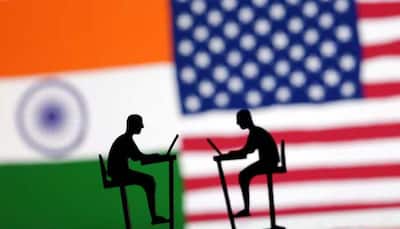
How India-US Trade Deal Could Impact China’s Economy
A potential trade agreement between India and the United States could significantly impact China’s economic interests by reducing its crucial trade with America.
Key Takeaways
- The US aims to reduce its economic reliance on China.
- An India-US trade deal would shift American imports and supply chains towards India.
- This shift could directly affect China’s economy, which is already facing challenges.
- Parallel defense and technology deals would further diminish China’s regional influence.
The Core Trade Shift
The United States, one of China’s largest trading partners, has long sought to decrease its dependence on Chinese goods. A forthcoming trade deal with India offers a strategic alternative. By increasing trade with India, the US would naturally reduce its import volume from China, dealing a direct blow to a key sector of the Chinese economy.
Broader Strategic Deals
The economic realignment is part of a larger strategic pivot. The two nations are also negotiating separate defense and technology agreements.
The proposed defense deal aims to bolster India’s capabilities and increase US influence in the Indo-Pacific region, simultaneously reducing China’s strategic footprint.
Similarly, a technology partnership would see the US collaborate with India to counter China’s dominance in the sector, strengthening India’s position while curtailing Beijing’s influence.
Supply Chain Diversification
A central US objective is diversifying its global supply chains away from China. America plans to offer India a major role in this new network. This move would boost India’s manufacturing and exports while eroding China’s central role in global trade, applying further economic pressure.
Impact on China’s Economy
The combined effect of these deals poses a significant challenge. With China’s economy already experiencing a slowdown, a reduction in trade with its largest partner would exacerbate existing problems, affecting growth and stability.
In essence, the India-US partnership extends beyond bilateral trade, representing a strategic rebalancing that could reshape economic and geopolitical dynamics in Asia to China’s disadvantage.


