
Key Takeaways
- Bangladesh’s January 7 elections are marked by opposition boycott, violence, and severe under-representation of women.
- Only 6.5% of candidates are women, despite women making up 49% of registered voters.
- Analysts blame patriarchal structures and a climate of intimidation for the gender gap.
Bangladesh’s 12th parliamentary elections on January 7 are unfolding amid escalating violence and a stark gender imbalance in candidate lists. With the main opposition BNP boycotting the polls, the contest is largely one-sided, yet political tensions and clashes continue to surge.
Violence and Intimidation Escalate
In the run-up to the vote, supporters of rival factions have clashed across the country, leading to deaths, injuries, and property damage. Arson attacks on buses and trains have become a common tactic. Opposition activists allege widespread arrests and intimidation by authorities to suppress dissent.
Dismal Representation of Women Candidates
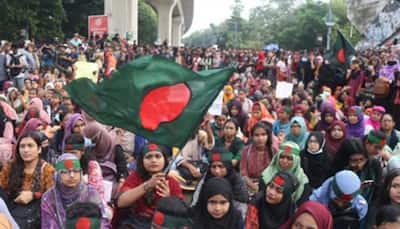
Amid the volatility, women’s political participation remains critically low. Major parties have largely confined women to reserved seats, with very few contesting general constituencies.
Election Commission data reveals a stark contrast: of nearly 2,000 candidates, only around 130 are women. This 6.5% figure is a fraction of women’s 49% share of the total registered electorate.
Root Causes of the Gender Gap
Analysts identify deep-rooted patriarchal structures within parties and society as the core issue. Women face significant barriers:
- Lack of party support and financial backing.
- Social stigma against participation in electoral politics.
- The current climate of further deters potential female candidates.
Implications for Democracy
This underrepresentation weakens democratic principles. A parliament that doesn’t reflect its electorate is less likely to prioritise issues affecting women, like healthcare, education, and safety. Civil society groups advocate for stricter quota enforcement and greater internal party democracy to promote women leaders.
As voting day approaches, the international community is closely monitoring. The twin crises of violence and gender inequality threaten the polls’ credibility and the health of Bangladesh’s democracy. The outcome will signal whether the nation is moving toward inclusivity or entrenching exclusion.


