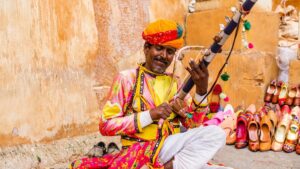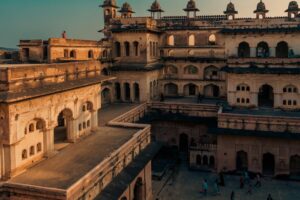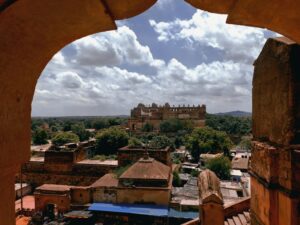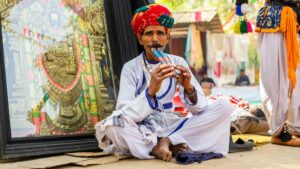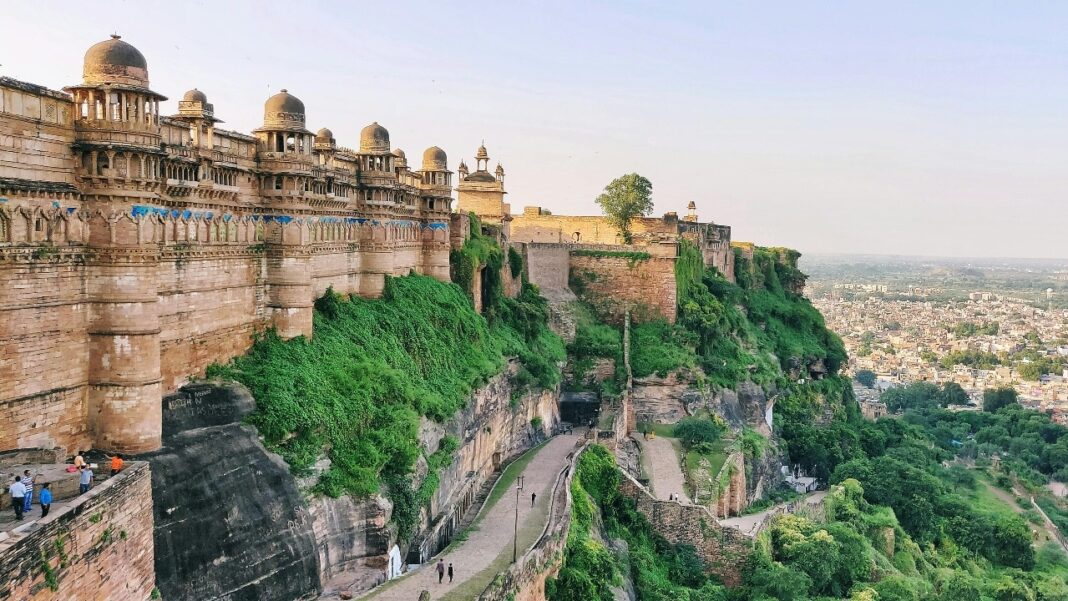
In Gwalior, music is not merely an art form; it is deeply woven into the city’s identity. Recently recognised by the UNESCO Creative Cities Network, the city stands as a proud symbol of India’s enduring classical traditions.
Known for hosting grand festivals that attract thousands, Gwalior keeps its musical heritage alive through ‘baithaks’that echo the intimacy of royal courts. Here, music is not just performed, it is lived and experienced as part of everyday life.
A CITY WHERE MUSIC IS LIVED
Often described as the cultural heart of Madhya Pradesh, the city is also the birthplace of the Gwalior Gharana, one of the oldest traditions in Hindustani classical music.
Styles such as Dhrupad and Khayal, which originated here centuries ago, continue to be taught, performed and appreciated. The city has long served as a key training ground for musicians, where knowledge is carefully passed down from one generation to the next.
The scale of Gwalior’s musical culture becomes especially visible during the Tansen Sangeet Samaroh, where nearly 4,000 to 5,000 music lovers gather each day. The festival not only honours the legendary musician Tansen but also provides a platform for both established and emerging artists to perform.
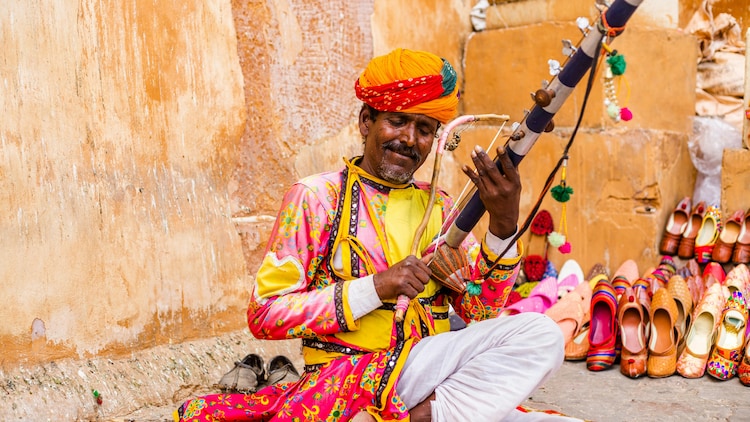
THE CITY’S MUSICAL WOMEN EMPOWERMENT
Gwalior’s engagement with music goes beyond performance. The city has been working to make music more inclusive and accessible by lowering ticket prices and organising free shows.
It also supports young talent through scholarships, particularly for students from underprivileged backgrounds. Initiatives such as ‘Dream Hatcher’ are helping women artists transform their musical ideas into sustainable careers, using music as a means of empowerment.
Efforts to strengthen the creative economy are also evident in Gwalior’s participation in national programmes such as ‘Ek Bharat Shreshtha Bharat’ in 2018.
By hosting cultural festivals and collaborating with media platforms, the city is ensuring that its artists receive wider recognition, both nationally and internationally.
At the same time, music is being used as a tool for urban development. Plans are underway to revitalise historic areas by involving local artists, while educational institutions are being encouraged to promote creativity and cultural entrepreneurship among young people.
The city also aims to host international discussions on how creative industries can contribute to sustainable development.
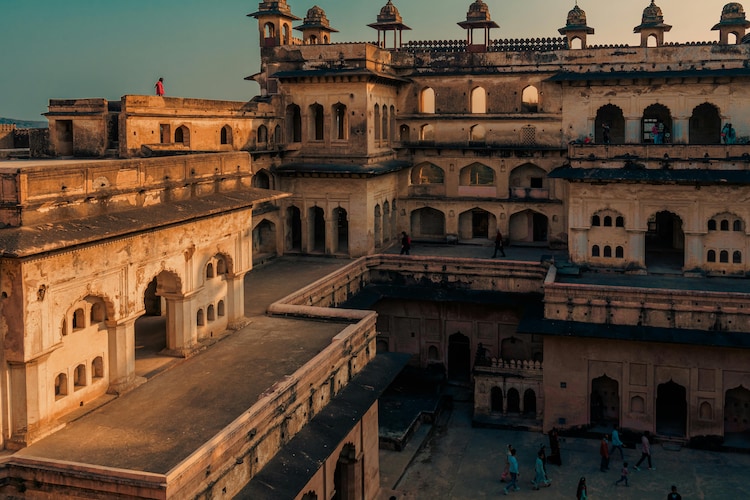
HISTORY OF RAAGS AND TAALS
Much of this rich musical heritage can be traced back to the Scindia dynasty, whose patronage played a crucial role in shaping the city’s cultural identity.
Known not only for their political influence but also for their support of the arts, the Scindias created an environment in which music could flourish.
From encouraging musicians to establishing institutions, their contributions laid the foundation for Gwalior’s prominence in the world of music.
Figures such as Mahadji Scindia and Daulatrao Scindia helped strengthen the city’s cultural base, while rulers like Jayajirao Scindia transformed it into a hub for musicians from across India. Under their patronage, artists received not only financial support but also respect and recognition.
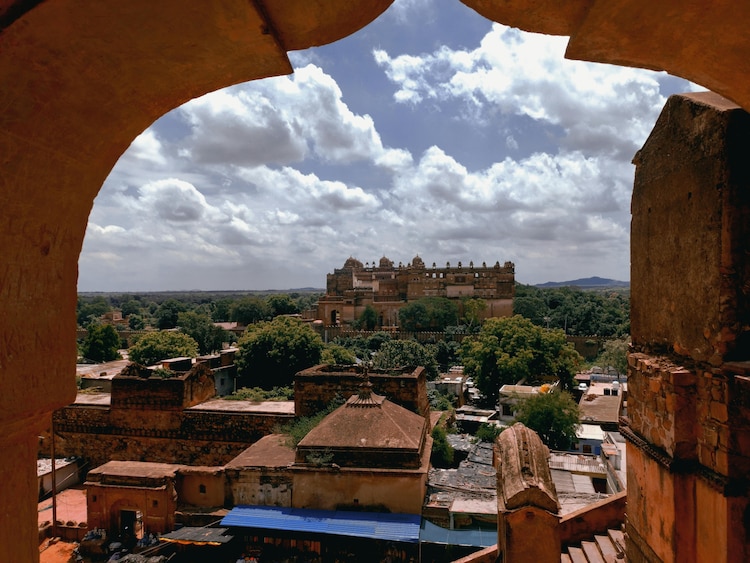
FROM BAITHAKS TO CLASSROOMS
This legacy continued with Madhavrao Scindia, who established one of the earliest formal institutions for music education.
With guidance from Pandit Bhatkhande, the Shri Madhav Music School, founded on January 10, 1918, introduced structured methods of learning, including notation systems that are still in use today.
Even within the royal household, music was an integral part of life. Jiwajirao Scindia, though not a professional musician, was deeply passionate about music and regularly attended ‘mehfil’performances, reflecting how closely art and daily life were woven together.
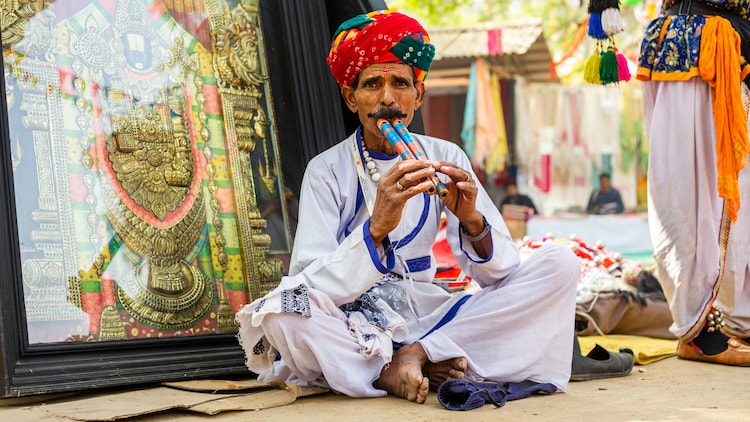
Today, Gwalior stands as a bridge between the past and the present. Its centuries-old traditions continue to inspire new generations, while modern initiatives ensure that music remains relevant, inclusive and economically sustainable.
As the city moves forward, it carries with it a legacy that is both rich and evolving, one that resonates in every note sung and every instrument played, ensuring that its musical story continues to unfold for years to come.