

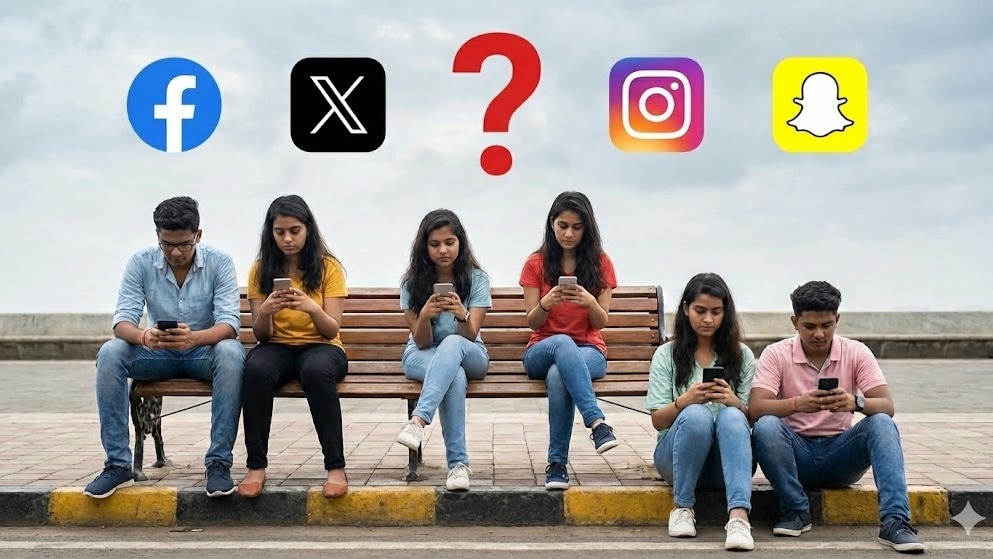
Spain Joins Australia in Banning Teen Social Media Access
Spain has announced a ban on social media for teenagers under 16, following Australia’s recent move to restrict access for children under 14. This growing global trend focuses on protecting youth mental health from online risks.
Key Takeaways
- Spain bans social media for users under 16, citing mental health concerns.
- Australia already prohibits children under 14 from having accounts.
- Both nations demand stricter age verification from tech platforms.
- India, with its massive youth population, faces pressure to consider similar regulations.
Why Are Countries Taking This Step?
The Spanish government pointed to serious risks for young people, including cyberbullying, exposure to harmful content, and the addictive design of social media platforms. Prime Minister Pedro Sanchez stated the measure directly aims to shield minors from these online dangers.
Australia’s policy is part of a wider push for robust online age verification. Both countries are urging technology companies to rigorously enforce these new age restrictions.
Could India Follow Suit?
The developments in Spain and Australia raise a critical question for India, which has one of the world’s largest youth populations and a rapidly expanding social media user base. The Indian government has previously voiced concerns about social media’s impact on children and has introduced rules to make platforms more accountable.
However, experts note that implementing a similar ban in India would face major hurdles:
- Enforcement Challenges: Practical difficulties in verifying ages online.
- Digital Literacy Gap: Varying levels of awareness among parents and children.
- Access Issues: Balancing protection with digital access and education.
The debate continues on whether outright bans or enhanced digital literacy and parental guidance are more effective. Nevertheless, the global momentum for regulating minors’ social media access is increasing, prompting nations worldwide to evaluate their policies.