Samsung flagship lineup is in its “refinement era” for the last few years. Ever since the peak innovation days of the S23 Ultra, most upgrades have felt iterative rather than revolutionary. That’s not a bad thing at all, especially if those refinements actually improve the overall experience without adding unnecessary features.

And that is exactly why I wanted to review the Galaxy S26. I daily drive the Galaxy S23 Ultra and have also been a long-time Samsung flagship user; I also owned the Galaxy S21. I was curious to see how far the base models have evolved. And after spending significant time with the Galaxy S26, I can confidently say that with this phone, “Samsung is not trying to reinvent the wheel, just trying to perfect it.”
Samsung Galaxy S26 specifications
Design and build: Understated, until it’s in your hand
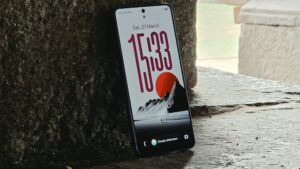
From pictures on big hoardings to videos on YouTube, the Galaxy S26 doesn’t look particularly exciting. It follows Samsung’s familiar design language and is not trying anything radical. But everything changes the moment you hold the smartphone in your hand.

This is one of those phones that just feels right.
It’s amazingly sleek, lightweight, and feels like a breath of fresh air, especially when you are coming from a large phone like the Ultra series. For someone like me who has relatively smaller hands, this form factor feels like a dream. The rounded corners enhance one-handed usability, and overall ergonomics are excellent.
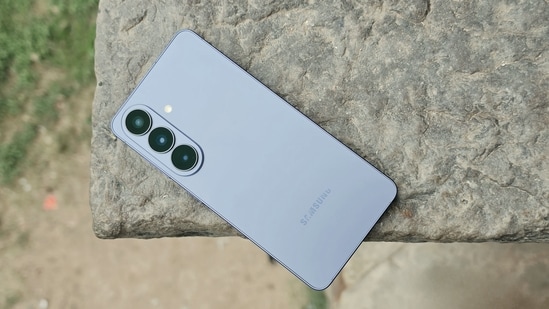
The aluminum frame with the frosted glass back gives it a proper flagship feel. It’s subtle and undeniably premium.
Samsung clearly followed the “If it ain’t broke, don’t fix it” philosophy with the Galaxy S26. The design is clean, familiar, and functional. I love that Samsung isn’t chasing trends by adding unnecessary buttons or gimmicks.

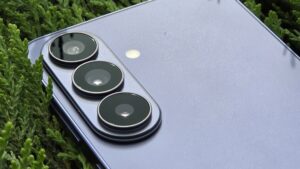
There is a noticeable camera bump, and yes, it does introduce some wobble when placed flat on a table. But realistically, most people use a case anyway, which reduces this issue significantly.

In terms of durability, you get Armor Aluminum, IP68 water and dust resistance, and Corning Gorilla Glass Victus 2 on both front and back. And since the rear glass is frosted, it is somewhat immune to smudges or scratches over time.
Display: Still the benchmark, but with one small complaint
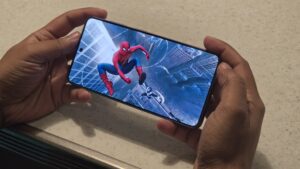
Samsung has been dominating the smartphone display game for almost forever, and the Galaxy S26’s display is no exception. You get a slight bump in size, 6.3 inches compared to 6.2 inches on the S25, and it brings all the premium features with it. HDR10+ support and 2400 nits peak brightness make this panel an absolute treat.

Content consumption is where this display truly shines. Watching videos, scrolling through social media, or just browsing the internet, the display is vibrant. Being outdoors doesn’t affect the visibility at all.
There’s really not much to complain about here, but I do have one question for Samsung: why keep the best display tech exclusive to the Ultra models?
Features like the anti-reflective coating seen on the previous Ultra would have been a great addition here. It’s a small thing, but it would have made an already great display even better. That said, this is still one of the best smartphone displays you can get right now. Easily a benchmark.
Camera: Reliable, versatile, and surprisingly fun with AI
The camera system on the Galaxy S26 is also a familiar and subtle set of sensors. Photos are sharp, detailed, and have excellent dynamic range. Colors look natural enough while still being social media-ready.


The ultrawide camera is great for landscapes and group shots, capturing a significantly wider field of view without compromising too much on quality.


The telephoto lens only feels like a supporting hand. It is not particularly exciting on its own, but it shines when used for portraits. It gives you that natural, DSLR-like background blur, which adds a nice touch to portrait shots.

For advanced users, there’s plenty to explore in the S26’s camera. Samsung continues to offer a robust set of tools for those who like to tweak and experiment with their photography. Whether it’s manual controls, advanced editing, or shooting in different modes, there’s enough here to keep enthusiasts engaged.


When it comes to videos, the performance and quality are largely similar to last year, but Samsung has introduced a new feature called horizon lock. It’s a welcome addition and helps keep your shots level. I’m glad this wasn’t restricted to the Ultra model.

Now let’s talk about AI. Samsung has leaned heavily into AI-powered photography, and it shows. You can do some genuinely impressive edits with it. For example, I took a photo in broad daylight and transformed it into a rainy scene and then into a night shot using AI.

What stood out to me was how convincingly it handled the transformation. In one instance, it even turned a brick in a wall into a light. It’s a tiny detail, but you can only notice it if you had seen the original image. For anyone else, it just looks like a natural part of the scene.
Overall, the camera system is amazing, not too “Pro” but still has all the features baked in when needed. It works perfectly for users who just want to point and shoot, and for those who enjoy experimenting and pushing their creativity further.
Performance: Exynos redemption arc?
This year, Samsung has gone with its in-house Exynos 2600 processor, built on a 2nm architecture and clocked at up to 3.8GHz with a 10-core setup. Instead of throwing benchmark numbers at you, let me tell you what this chip actually does in real-world usage.

It handles everything you throw at it. From demanding games like Genshin Impact to more extreme scenarios like emulation, the Galaxy S26 performs impressively well. I pushed it further by testing Switch and PC emulation, which are among the most demanding tasks you can run on an Android device.
And the results were honestly surprising. The phone managed to run Nier: Automata via Switch emulation at a decent 50–60 fps.
Battery drain during games is pretty decent, though emulation did consume power more aggressively, which is expected.
Thermally, the phone does heat up when pushed hard, especially during extended gaming sessions. But for everyday tasks, it remains cool and smooth. App launches are quick, animations are fluid, and overall performance feels effortless.
RAM management is also solid; the phone is able to keep apps in memory even after being idle for a while, which is great for multitasking.
For content creators, the phone handles video and photo editing smoothly. Editing footage directly on the device is quick and efficient, making it a reliable tool for on-the-go projects.
It’s also worth noting that Exynos no longer feels significantly behind Snapdragon, at least in practical usage. That gap has narrowed considerably.
Software and AI: Polished, powerful, and future-proof
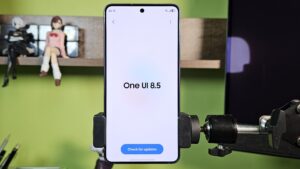
The Galaxy S26 runs One UI 8.5 based on Android 16, and the experience is as refined as you’d expect from Samsung. Everything feels polished; the UI is smooth, visually appealing, and packed with features without feeling overwhelming.

Samsung’s promise of 7 years of software support is a huge plus, especially for users who plan to hold onto their device for the long term. That said, I do feel Samsung could improve its update rollout speed to match some competitors.
From AI-powered photo editing to call screening and enhancements to Bixby, Samsung has added a range of smart features. While you may not use all of them daily, they do come in handy in specific situations.
At this point, AI on smartphones has matured enough that it feels less like a gimmick and more like a utility. You may not notice it all the time, but when you need it, it’s there.
Battery life: Small upgrade, noticeable impact
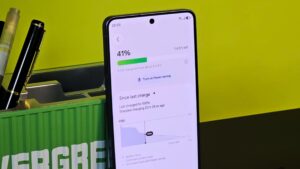
Samsung has bumped the battery capacity from 4000mAh to 4300mAh, and thankfully, this hasn’t resulted in a thicker device. With minimal usage, the phone comfortably lasts an entire day. That includes social media, calls, browsing, and some camera usage.

However, if you are a heavy user with gaming or extended camera sessions, you might need to top it up before the day ends. Charging is still capped at 25W, and there’s no charger in the box. At this point, it’s something most users have come to accept, even if it’s not ideal. All in all, the battery backup is decent but better than its predecessor.
Samsung Galaxy S26 Pros and Cons
Pros:
- Compact, lightweight, and excellent ergonomics
- Premium build quality with IP68 rating
- Outstanding display
- Reliable camera performance with useful AI features
- Strong real-world performance, even for heavy tasks
- Clean and polished software with long-term support
Cons:
- Charging speed still limited to 25W
- No anti-reflective display coating
- Camera bump causes noticeable wobble without a case
Samsung Galaxy S26: Final thoughts
The Galaxy S26 doesn’t try to be flashy, and that’s mostly its strength. It refines what is already perfect and delivers a compact flagship experience. From design and display to performance and cameras, everything is premium as it should be.
If you are thinking of upgrading from the Galaxy S25, I would suggest sticking with it a bit longer. For new buyers, this powerful, reliable, and comfortable flagship is one of the best options right now.