
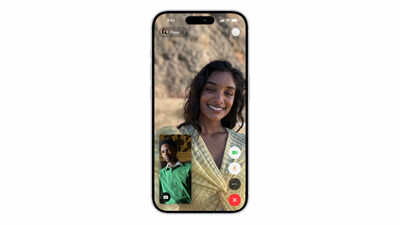
The GSMA has finalised RCS Universal Profile 4. 0, and the headline feature is native video calling baked directly into your messaging app. No more switching to WhatsApp, FaceTime, or Google Meet mid-conversation.
The feature, called Messaging-Initiated Video Calls (MIVC), lets users escalate any 1-to-1 or group RCS chat into a video call without leaving the thread. Group members who miss the initial ring can join an ongoing call later, and call logs sync within the chat timeline. When implemented, it would be the first natively supported video call experience that works across different devices and networks—meaning Android-to-iPhone video calls through the default messaging app.
RCS finally gets text formatting and better media quality
Beyond video, RCS 4. 0 introduces rich text formatting—bold, italics, and strikethrough—features that third-party apps have offered for years. There’s backward compatibility built in, so if the recipient’s device doesn’t support formatting, they’ll see a plain-text fallback instead of garbled messages.
Media sharing also gets an upgrade. Devices will now identify which formats the other person’s phone supports and automatically pick the best encoding.
The result: higher-quality photos, audio, and video without the compression artifacts that plague MMS.
On the business side, Rich Cards can now embed streaming video instead of forcing a full download. Brands also get more control over how links open—quick actions like viewing a menu stay inside the messaging app, while complex tasks like payments redirect to a dedicated app.
Don’t expect these features on your phone anytime soon
Here’s the catch. Neither Apple nor Google has announced support for RCS 4. 0 yet. The Verge reports that both companies didn’t respond to requests for comment. And there’s a precedent for delays—RCS Universal Profile 3. 0, announced in March 2025 with end-to-end encryption support, still hasn’t seen widespread rollout. Apple and Google are only now testing encrypted RCS messaging between their platforms.
A realistic timeline? Late 2026 at the earliest, more likely early 2027.


