
New Delhi:
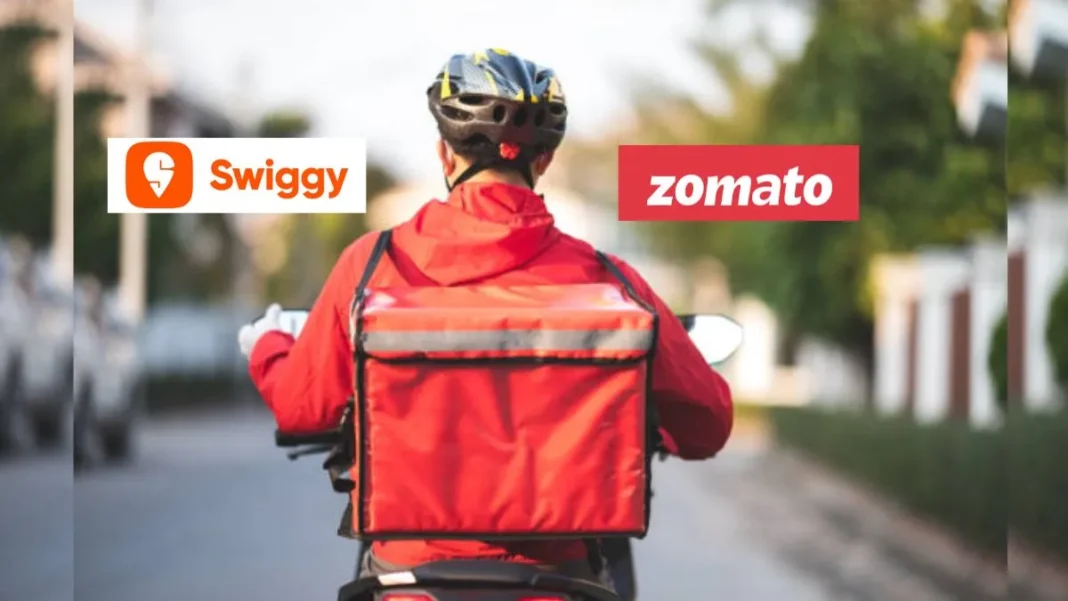
The ongoing LPG shortage due to the Middle East war and conflict has started to hit India’s food delivery scene hard. The Gig and Platform Service Workers Union says delivery workers with Zomato, Swiggy, and similar platforms have seen their daily orders drop off a cliff.
Problems faced by gig-workers
With the crisis, the delivery folks have been facing a tough time. Like those who used to get around 30 orders a day now barely get around 5 or 10. That’s a huge hit to their wallets, and the union’s sounding the alarm — they’re calling this a full-blown livelihood crisis for gig workers.
Restaurants, cloud kitchens forced to shut
Restaurants and cloud kitchens are in trouble, too. These businesses run on commercial LPG cylinders, and with supplies drying up, many restaurants, dhabas, cloud kitchens, caterers, and street vendors have had to shut their doors or scale back. That’s killed demand for food delivery on apps like Zomato and Swiggy, with orders dropping by 50–60 per cent in some areas.
This isn’t just about delivery workers. The whole food supply chain feels the pain — kitchen staff, ride-hailing drivers who count on restaurant orders for extra income; everyone’s caught in the mess.Gig
Workers facing financial stress
The workers’ union says the financial strain is getting brutal. More delivery partners are reaching out for help, saying they can’t cover daily expenses. Some families have even started skipping meals because there’s just not enough coming in. One delivery worker in Delhi said his orders dropped from 30 to just 5–10 a day, and now the platforms are even threatening to deactivate IDs for low activity.
Nearly one crore workers may be impacted
If this keeps going, the union estimates nearly one crore people across the gig economy and food service sector could take a hit — not just delivery partners, but also cloud kitchen staff, restaurant workers, and drivers who rely on food delivery gigs to make ends meet.
As long as the LPG crisis drags on, and geopolitical tensions stay high, things look set to get even tougher for India’s food delivery platforms and the gig workers who keep them running.


