
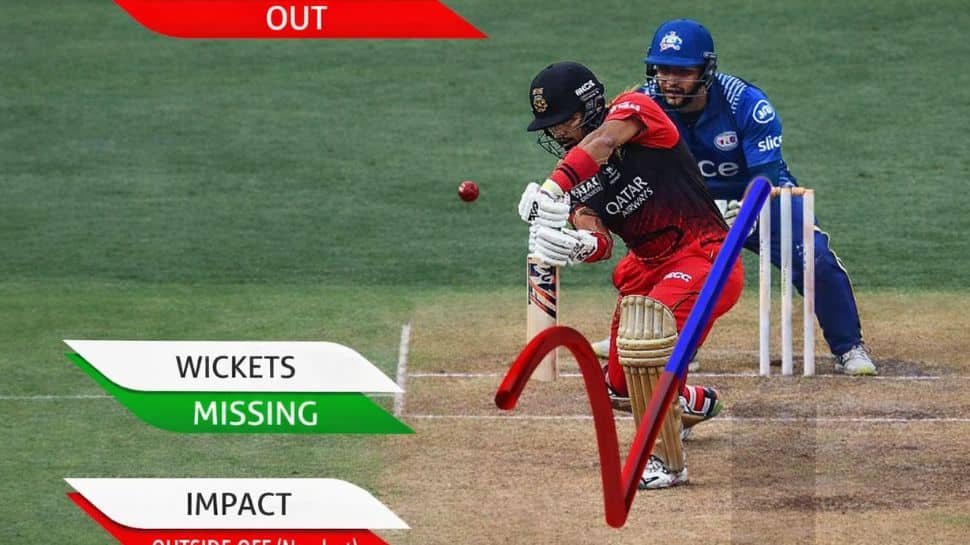
IPL 2026: As the Indian Premier League (IPL) 2026 starts today, fans are set to witness thrilling cricket battles. Alongside fast-paced batting and bowling, advanced technology ensures fair play and accurate umpiring decisions, especially when it comes to tracking balls hitting the stumps or determining LBW (Leg Before Wicket) calls.
One of the most important technologies in IPL matches is Hawk-Eye. Multiple high-speed cameras around the stadium track the ball in real time. Hawk-Eye uses this data to calculate the 3D trajectory of the ball, predicting whether it would have hit the stumps in LBW situations. This technology provides the third umpire with precise visuals and helps them make accurate decisions.
Ultraedge and Snickometer
For close calls where the ball may just graze the bat or pad, Ultraedge or Snickometer comes into play. These systems use audio sensors and high-speed cameras to detect even the faintest contact between the ball and bat. The result appears as a spike on the graph, giving umpires a clear indication of any edge. This is crucial in LBW reviews and caught-behind decisions.
Stump sensors
The stumps have also become high-tech. LED or microchip sensors are embedded in the wickets, which instantly detect when the ball hits them. These signals are sent in real time to the third umpire and the broadcast team, ensuring that bowled or run-out decisions are accurate and almost instantaneous.
Hot Spot: Infrared Imaging for precision
Another key tool is Hot Spot, which uses infrared cameras to detect heat generated when the ball hits the bat or pad. This helps in confirming edges for LBW appeals or caught-behind decisions. Hot Spot adds an extra layer of accuracy, especially in tight situations.
With technologies like Hawk-Eye, UltraEdge, stump sensors, and Hot Spot, IPL matches are not only exciting but also fair. Fans can now enjoy the game knowing that every LBW and stump hit is carefully tracked and verified, bringing transparency and trust to every decision.


