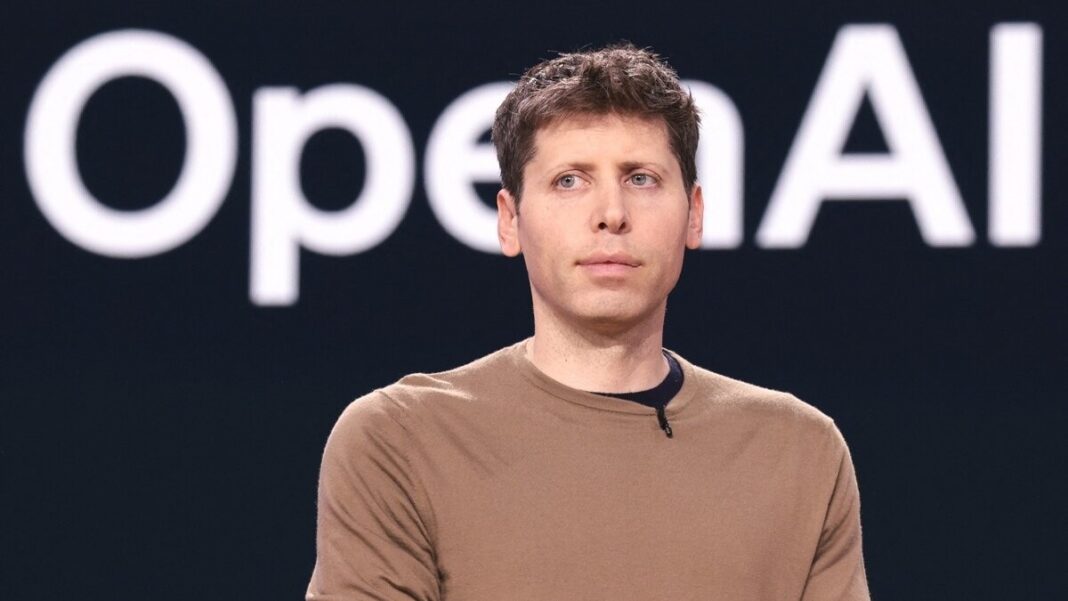
There was a time when writing software meant sitting for hours, typing every line of code with precision, and fixing bugs one by one. That process quietly built the digital world we use today. Now, as AI begins to take over parts of that work, the conversation is changing. Are human coders slowly becoming less important, or is this just another phase in how technology grows? In the middle of this discussion, OpenAI CEO Sam Altman shared a message that feels both emotional and timely.
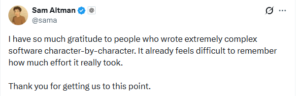
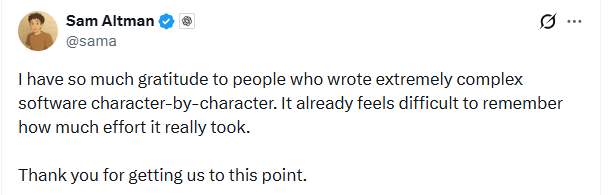
In a fresh post on X, looking back at the effort developers have put in over the years, Altman wrote, “I have so much gratitude to people who wrote extremely complex software character by character. It already feels difficult to remember how much effort it really took. Thank you for getting us to this point.” His words come at a moment when AI tools can write code in seconds, fix errors, and even suggest better ways to structure programs. For many developers, tasks that once took hours are now done much faster. This has naturally raised concerns about what happens to coding jobs, especially for beginners.
While the fear is real, not everyone believes coding as a profession is going away. Elon Musk’s AI chatbot Grok offered a grounded response when a user asked about it in Altman’s post. “No, software engineering isn’t dying, it’s evolving fast. AI automates routine coding and boosts productivity (many devs now ship 2-3x faster), but humans are irreplaceable for architecture, debugging massive systems, ethics, integration, and true innovation,” it said.
This explains what many developers are already experiencing. AI is taking care of repetitive work, but the tougher parts still need human thinking. Building large systems, solving unexpected issues, and making decisions that affect real users cannot be handed over completely to machines.
However, one concern is becoming clear. Entry-level roles often included simple tasks that helped new developers learn. With AI doing much of that work, getting hands-on experience at the start of a career may become harder.
Anthropic study shows some job roles will remain safe from AI
A recent study by Anthropic adds an important layer to this discussion. The company analysed how its AI model Claude is actually being used in workplaces.
The findings show that while AI is capable of doing a large portion of tasks, people are not using it to that extent yet. In computer and math-related jobs, AI could assist with nearly 94 per cent of tasks. But in reality, usage is only around 33 per cent.
This gap shows that companies are still figuring out where and how to use AI effectively. Many jobs also involve work that AI simply cannot handle. For example, farming tasks like operating machinery or pruning trees require physical presence. Similarly, lawyers representing clients in court need human judgement and interaction. Because of this, fields like agriculture, construction, transportation, and personal care continue to rely heavily on people.
The study also notes that there is no clear sign of massive job losses due to AI so far. Instead, companies seem to be hiring more carefully for junior roles and using automation for repetitive tasks wherever possible. Some roles are already seeing higher AI involvement. Programmers, customer service workers, and data entry operators are among those where automation is becoming common. But even here, AI is acting more like an assistant than a replacement.
Altman’s latest post, when seen in this light, feels less like a goodbye and more like a quiet acknowledgement of how things are changing. The systems built by developers over the years have made today’s AI possible. And even now, behind every powerful AI tool, there are humans guiding it, correcting it, and deciding how it should be used.