Key Takeaways
- Airbus has detected a radiation-related glitch affecting its A320 family aircraft.
- Approximately 6,000 planes, nearly half its global fleet, require upgrades.
- The issue was identified after a US incident involving an emergency landing.
- Airlines warn of potential flight delays and cancellations during the upgrade process.
Airbus has issued an urgent directive for upgrades to its A320 family aircraft after discovering that intense solar radiation can corrupt critical flight control data. The European aerospace manufacturer has requested immediate modifications, potentially grounding around 6,000 planes—nearly half of its global fleet for this aircraft family.
What Planes Are Affected?
The issue impacts Airbus’s best-selling A320 model and other variants from the same design family, including the A318, A319, and A321. The problem came to light following a recent incident in the United States.
On 30 October, a JetBlue Airways A320 was forced to make an emergency landing in Florida after a sudden altitude drop, reportedly injuring at least 15 people.
Technical Cause and Solution
The fault lies with the aircraft’s ELAC computer, which controls the elevators and ailerons—the aerodynamic surfaces that manage the plane’s pitch and roll. Intense solar and cosmic radiation at high altitudes can disrupt this crucial system.
Approximately 5,100 newer Airbus planes will require only a software update, while older models will need additional hardware modifications, necessitating temporary removal from service.
Airbus has formally apologized, acknowledging this will cause “operational disruption to passengers and customers.”
Airline and Regulatory Response
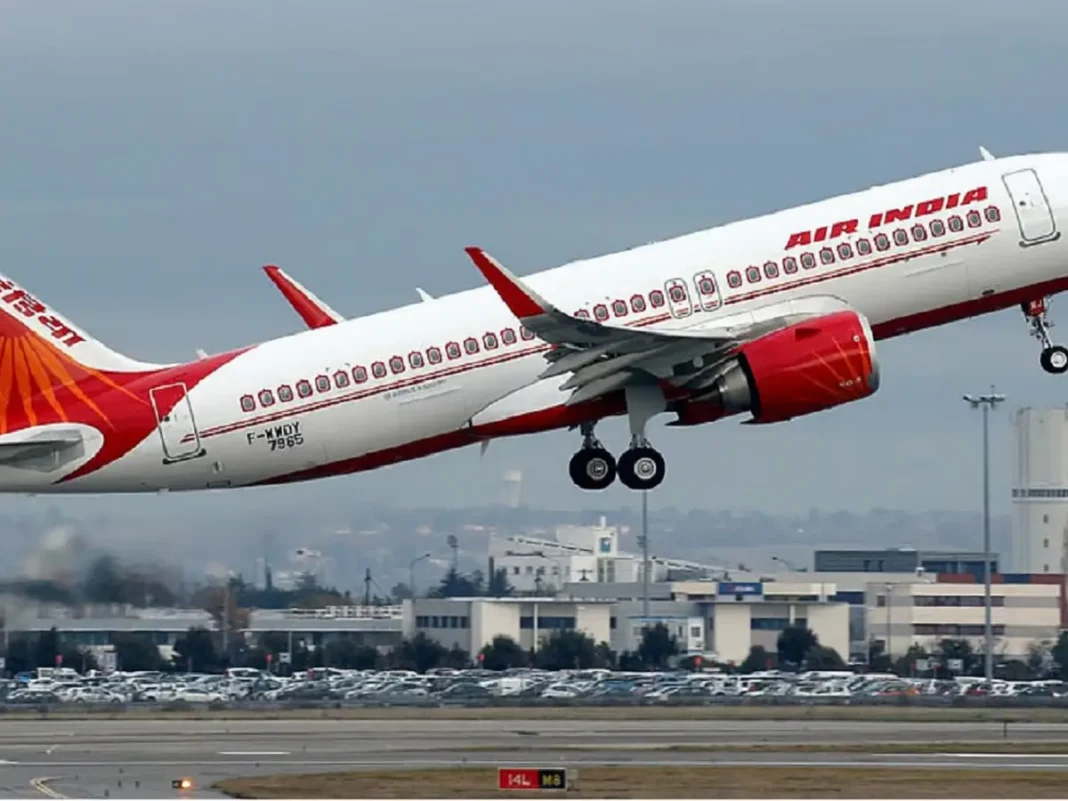
Air India confirmed the directive could lead to operational delays. In a social media post, the airline stated: “This will result in a software/hardware realignment on a part of our fleet, leading to longer turnaround time and delays to our scheduled operations. Air India regrets any inconvenience this may cause to passengers.”
The UK’s Civil Aviation Authority (CAA) also warned passengers about potential disruptions. Giancarlo Buono, CAA’s Director of Aviation Safety, advised: “Passengers should check with their airline whether their flights are affected. Airlines have a duty of care to look after passengers when a flight is delayed.”
Understanding ‘Fly by Wire’ Systems
The A320 family uses “fly by wire” technology, where computers interpret pilot commands to control the aircraft, rather than using direct mechanical links. This sophisticated system is now at the center of the current safety upgrade.
Airbus has alerted all airlines to take “immediate precautionary action… to implement the available software and/or hardware protection and ensure the fleet is safe to fly.”