

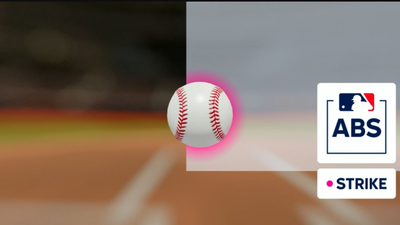
The adoption of the automated ball-and-strike (ABS) challenge system by Major League Baseball is one of the biggest technological shifts in the sport over recent years. The league hopes to make it fairer for teams while maintaining the traditional role of umpires. It allows players to challenge some calls instead of replacing umpires altogether. This method was heavily influenced by tests in minor leagues and exhibition games. The challenge is figuring out how to balance accuracy and the rhythm of baseball, particularly in high-leverage situations. Major League Baseball’s decision to make the rarely invoked move was a response to pressure from players and fans for more consistent officiating.
The recent Spring Training controversy over a questionable fourth pitch underscored why the ABS system matters. In that at bat, a pitch seemed to sail outside of the traditional strike zone and was called a strike by the umpire which saw immediate dissent from players. Those are the types of moments that can swing at bats and even games. Challenge systems help stave off “prolonged arguments over calls” and keep the game moving, according to league officials.
The ABS challenge model is planned for broader experimentation in the coming seasons and may transform how pitch calling is handled throughout professional baseball.
Why was the ABS challenge system introduced for MLB fairness and consistency
MLB has implemented the ABS challenge system primarily to enhance accuracy without eliminating human judgment. Traditional strike zones can differ slightly depending on where the umpire is standing and how he or she interprets the plate. ABS system reduces player challenges in relatively low numbers during games with high precision tracking technology. They can also challenge nearly immediately after controversial calls by pitchers, catchers or batters. In practice, a large number of challenges, statistically significant, lead to reversed decisions. League executives want fairness, but they also want to preserve strategic elements, like pitch framing. The defensive abilities of catchers continue to matter because the great majority of pitches are still called by umpires unless they are challenged.
The league has stressed that ABS is not a complete automation system. Instead, it’s a hybrid approach that aims to preserve baseball’s traditions. Some purists fear technology will impact the antediluvian feeling of the sport. But proponents say fairness matters at decisive points. Because reviews are immediate, thanks to state-of-the-art ball tracking technology and instant communication networks, the challenge system also minimizes delays.
MLB officials believe this method is the future of officiating across professional sports.
Spring training dispute shows importance of challenge-based technology
The fourth pitch in the Spring Training dispute became a textbook example of the value of the ABS (automatic ball-strike system). The batter immediately reacted to the call, as if the pitch was out of the perceived strike zone. Disputes of that nature occur with some frequency at this time of year, as players acclimate to the rhythms and timing of pitchers. Coaches and analysts noted that even veteran umpires don’t always make judgment calls the same way. The ABS system gives players at least a fighting chance to remedy potentially game-changing mistakes, without protracted disputes or ejections.
Players and managers have usually had positive reactions to the system in testing at other times. It gives teams more power over key at-bats, many think. MLB officials anticipate that the technology will be fine-tuned before it becomes available leaguewide. The ABS challenge system could ultimately adjust how baseball strategies evolve, particularly in late-inning situations where every pitch mounts greater pressure and higher stakes.
Get the latest ICC Men’s T20 World Cup 2026 updates, including the full schedule, teams, live scores, points table, and key series stats such as top run-scorers and wicket-takers.


