
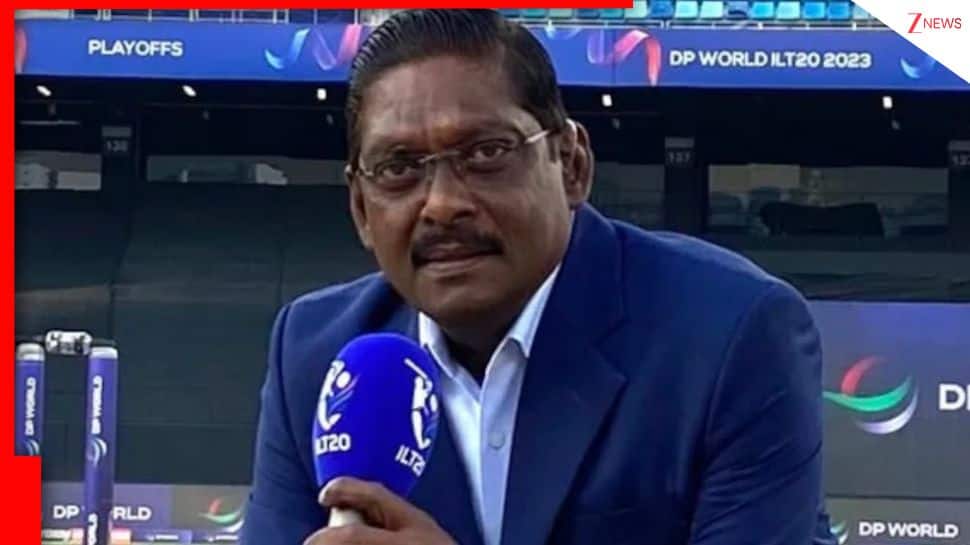
Former India spinner Laxman Sivaramakrishnan has reignited a serious conversation around racism and mental health in cricket after a blunt reply to a fan went viral. Responding to a social media user who asked, “Who hurt you?”, Sivaramakrishnan wrote, “Who didn’t???”, days after detailing racial abuse and personal struggles during his career. The remark has struck a chord, shifting focus from nostalgia to the darker realities behind one of Indian cricket’s most puzzling career declines.
The timing is critical. Sivaramakrishnan recently spoke openly about racism within Indian cricket and broadcasting circles, exposing a long-ignored issue. His viral response adds emotional weight to those claims, making this more than just a personal story, it’s a wider reflection on systemic bias and athlete well-being.
From Teenage Prodigy to Painful Exit
Sivaramakrishnan’s rise was meteoric. A wrist-spin sensation, he burst onto the scene as a teenager and peaked during India’s triumph in the 1985 World Championship of Cricket, finishing as the leading wicket-taker. Many, including Sunil Gavaskar, believed he was destined for 500 Test wickets.
But the fall was just as sharp. By 21, his international career had effectively ended. While it was long attributed to inconsistency and discipline, Sivaramakrishnan now points to something deeper: sustained racial remarks and humiliation at a formative age.
“Dark Chocolate for Dark Boy”: The Incidents That Scarred
He recalled multiple disturbing experiences:
As a teenager, he was mistaken for ground staff and asked to clean a senior player’s shoes
During a team celebration, a teammate joked: “Hey Sunny, you ordered the right colour cake. Such a dark chocolate cake for a dark boy.”
He was subjected to chants like “Kalia” from crowds across venues
These weren’t isolated moments. According to Sivaramakrishnan, they gradually eroded his confidence.
“Because of my dark skin, people would dismiss me. There was a sense of hurt every time this happened. I always wanted to forget, forget, forget, but deep down, it’s always rooted and it comes out. All these things put me in a position where I had very low self-esteem at a tender age it is very hard to build confidence,” he said.
Mental Health Struggles Post-Retirement
After retiring in 1987, Sivaramakrishnan transitioned into commentary and became a familiar voice in the IPL. However, the COVID-19 lockdown marked a turning point.
“I was down completely and I didn’t want to see myself in the mirror. I would have a couple of drinks and go to sleep because I couldn’t bear anything. Whenever I was awake, I thought I was going to die.”
He admitted to alcohol dependency and revealed he had suicidal thoughts.
“Sometimes when we were travelling in Dubai, there’s no speed limit. If the vehicle went very fast, something in my mind would tell me to just open the door and jump out. Somehow, something stopped me from doing anything silly.”
He also described hallucinations and severe anxiety:
“You close your eyes, you see images you can’t imagine-all very frightening. You open your eyes, there’s nothing. But you’re so tired that you want to sleep. You close your eyes again, then open them, and there goes your sleep.”
The ‘Alcoholic’ Label and Its Impact
For years, his decline was simplistically attributed to alcohol.
“Every time, you manage to tangle yourself tighter and tighter. And you have the whole world outside saying, ‘See, I told you. Liquor is the reason. I told you.’”
This narrative, he suggests, ignored the root causes, years of emotional trauma and exclusion.
A Career Defined by What Could Have Been
Sivaramakrishnan’s story forces a reassessment. For a leg-spinner, confidence is everything. Without it, skill alone cannot sustain success. His case now stands as a cautionary tale about how non-cricketing factors can derail elite talent.


