NASA’s Lunar Nuclear Reactor: Powering the Future Moon Base
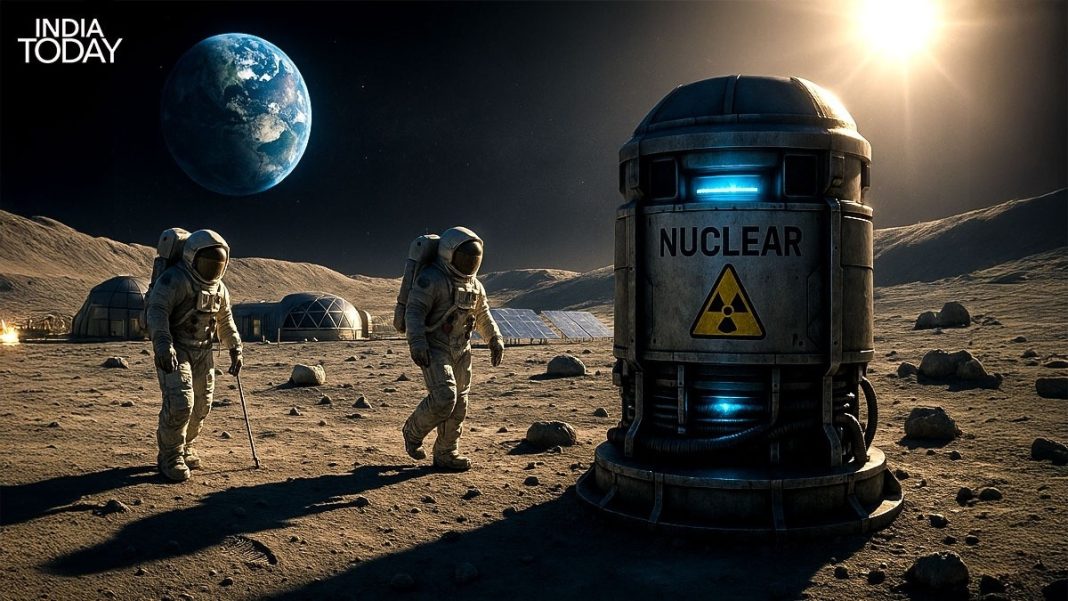
NASA, in partnership with the US Department of Energy, is developing a nuclear fission reactor to be deployed on the Moon by the early 2030s. This reliable power source is critical for surviving the long lunar night and enabling a sustained human presence.
Key Takeaways
- Project Goal: Demonstrate a safe, clean nuclear fission power system on the Moon.
- Power Need: The 14.5-Earth-day lunar night makes solar power unreliable.
- Timeline: Target demonstration by early 2030s, with a one-year lunar test.
- Broader Vision: Technology is also intended for future Mars missions.
The Fission Surface Power Project
The initiative, named the Fission Surface Power Project, aims to provide uninterrupted electricity for habitats, life support, and scientific instruments. A 40-kilowatt class system is designed to operate for at least a decade in the harsh lunar environment.
“A demonstration of a nuclear power source on the Moon is required to show that it is a safe, clean, reliable option,” said Trudy Kortes, program director of Technology Demonstration Missions at NASA Headquarters.
From Design to Lunar Deployment
Following initial design contracts awarded in 2022, NASA is now advancing to the final design and prototype phase. The plan is to send the reactor to the Moon for a one-year validation test. Success would pave the way for it to power a permanent lunar base.
The Race for Lunar Sustainability
This development occurs amidst a renewed space race. China has announced its own lunar base ambitions for the 2030s, while the US targets a crewed return to the Moon by 2026 under the Artemis program. Reliable power is a foundational need for any long-term settlement.
Beyond the Moon: Eyes on Mars
NASA’s nuclear strategy extends beyond the Moon. The agency is concurrently developing nuclear thermal propulsion for spacecraft, which could slash travel time to Mars by half, making crewed missions to the Red Planet more feasible.