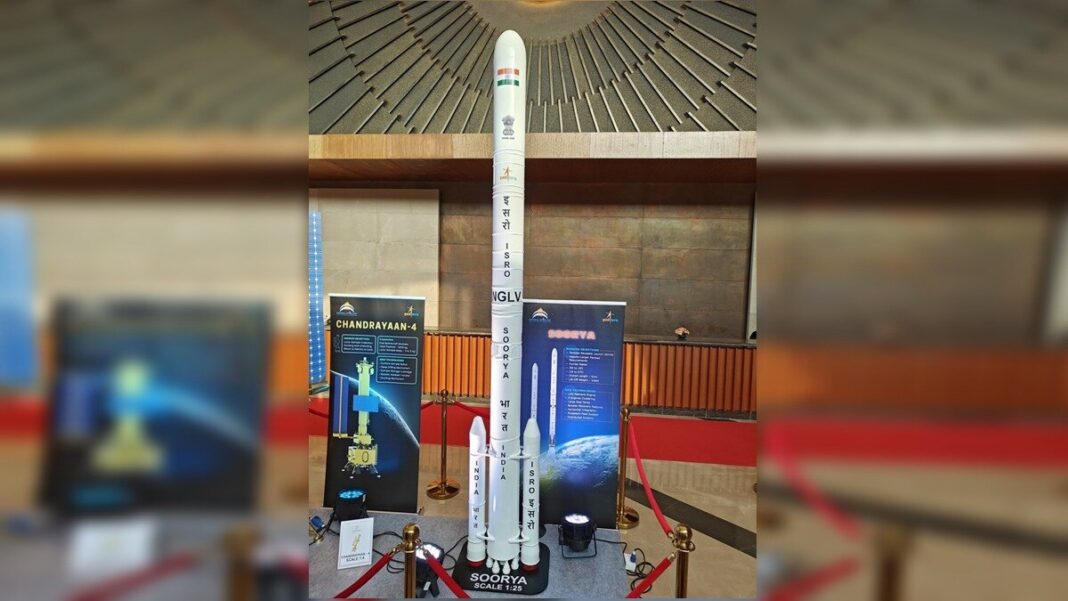
The Indian Space Research Organisation (Isro) has issued a tender for the fabrication of landing leg hardware for its reusable rocket programme, marking another step forward in India’s push toward cost-effective space access.
The tender, titled “Fabrication of Landing Leg Hardware with materials for Advanced Development Module for In-situ Reusable Technologies (Admire) VTVL (10 units)”, seeks industry participation in developing critical components for a vertical take-off, vertical landing (VTVL) test vehicle under the ADMIRE programme.
The initiative is part of Isro’s broader efforts to develop reusable launch vehicle technologies that can significantly reduce the cost of space missions.
WHAT IS VTVL?
VTVL or Vertical Take-Off, Vertical Landing, is a rocket technology where a vehicle launches vertically and returns to land upright using controlled engine thrust.
Unlike traditional Indian rockets that fall back into the ocean or burn up, VTVL systems are designed for reusability, helping reduce mission costs.
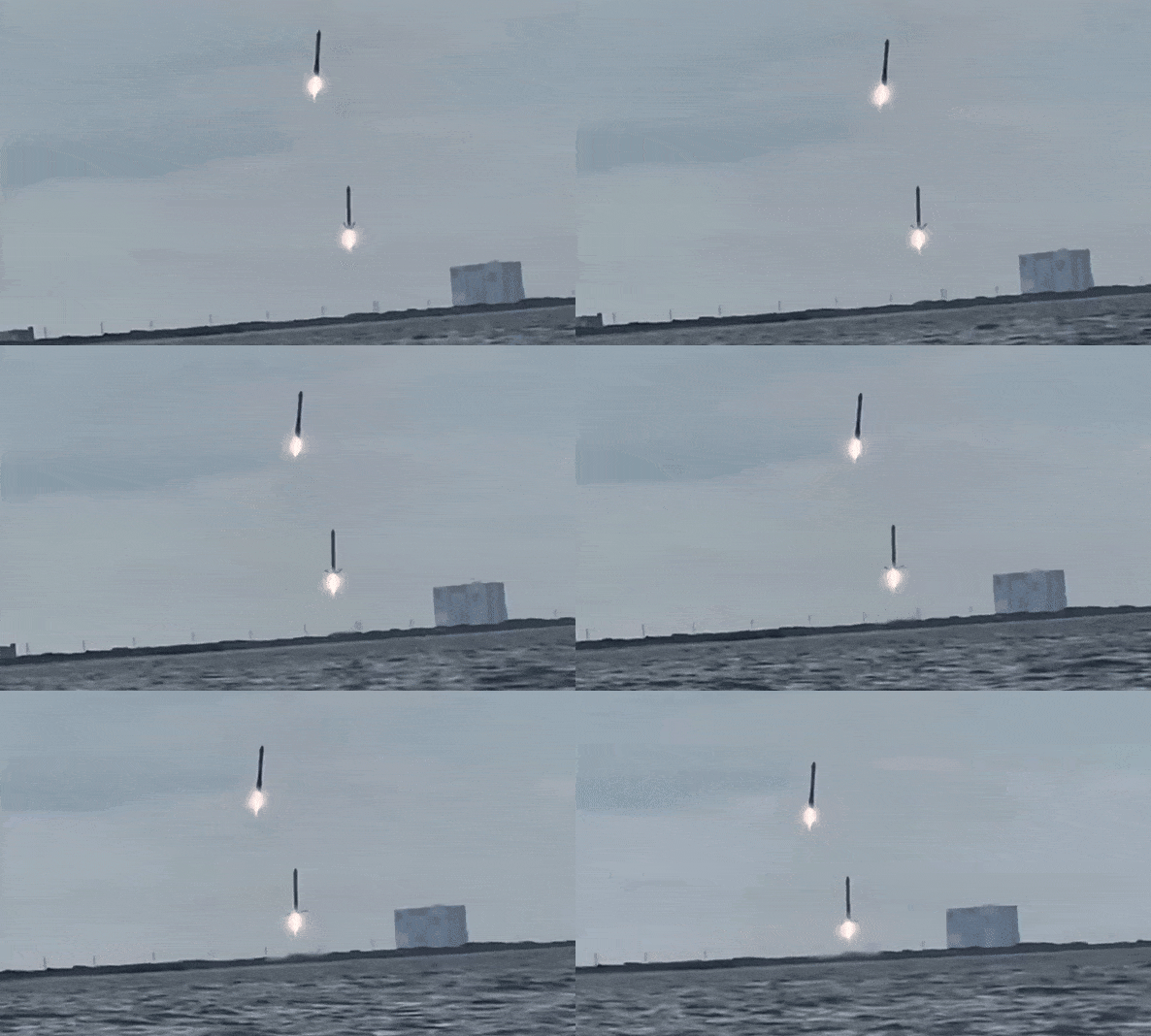
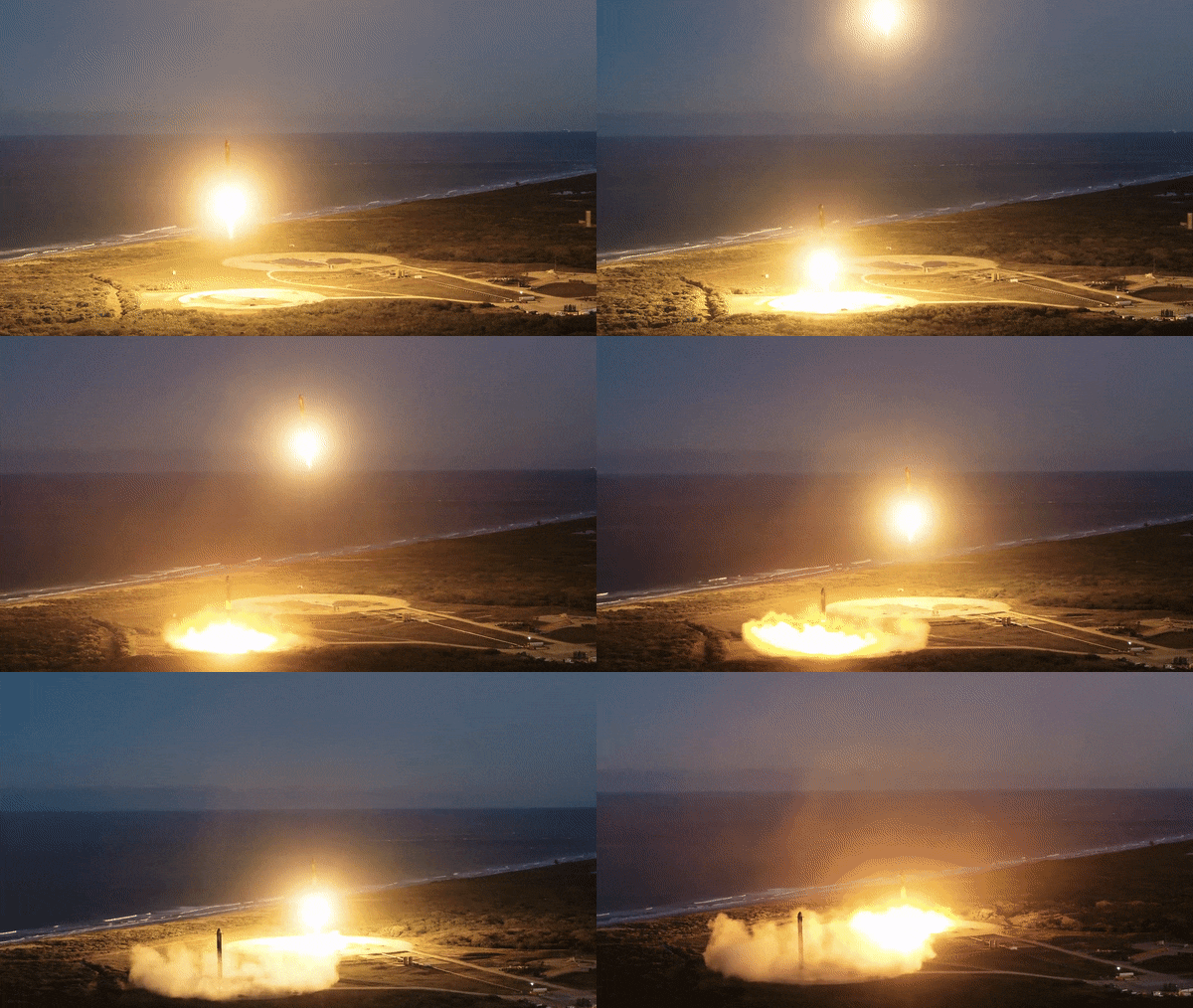
During descent, onboard systems slow the rocket and guide it to a precise landing using deployable legs. Companies like SpaceX have already mastered the landing technology with the Falcon-9 rocket. Jeff Bezos-led Blue Origin also recently demonstrated a landing rocket that enables sustainable, cost-effective space missions and frequent launches.
According to Isro’s tender documents, the selected vendor will be responsible for end-to-end development, including procurement of raw materials, manufacturing, quality control planning, and final delivery of landing leg hardware.
The project has been structured into three distinct phases spanning approximately 12 months.
Phase-0, or the development phase, is scheduled to be completed within the first four months. This stage involves material procurement, preparation and approval of manufacturing and quality control plans, and development of necessary tooling, fixtures, and processes.
It also includes establishing welding procedures, particularly for TIG welding, through capability demonstrations. The phase will culminate in the fabrication of the first hardware unit and validation of the manufacturing process.
Phase-1, the qualification phase, will take place over the next four months. During this stage, Isro will assess and qualify manufacturing processes, tooling, and any subcontractors involved. A trial batch of two landing leg units will be produced and supplied for evaluation.
Phase-2, the final production phase, will also span four months. Based on the purchase order, vendors will deliver a second batch of two to four units, completing the total requirement of 10 landing leg assemblies.
Landing legs are a crucial component for reusable rockets, enabling controlled descent and safe landing after launch.
With this tender, Isro is not only advancing its reusable launch ambitions but also deepening collaboration with the Indian industry in high-precision aerospace manufacturing.
The move signals steady progress in India’s reusable rocket roadmap, aligning with global efforts to make spaceflight more sustainable and economical.