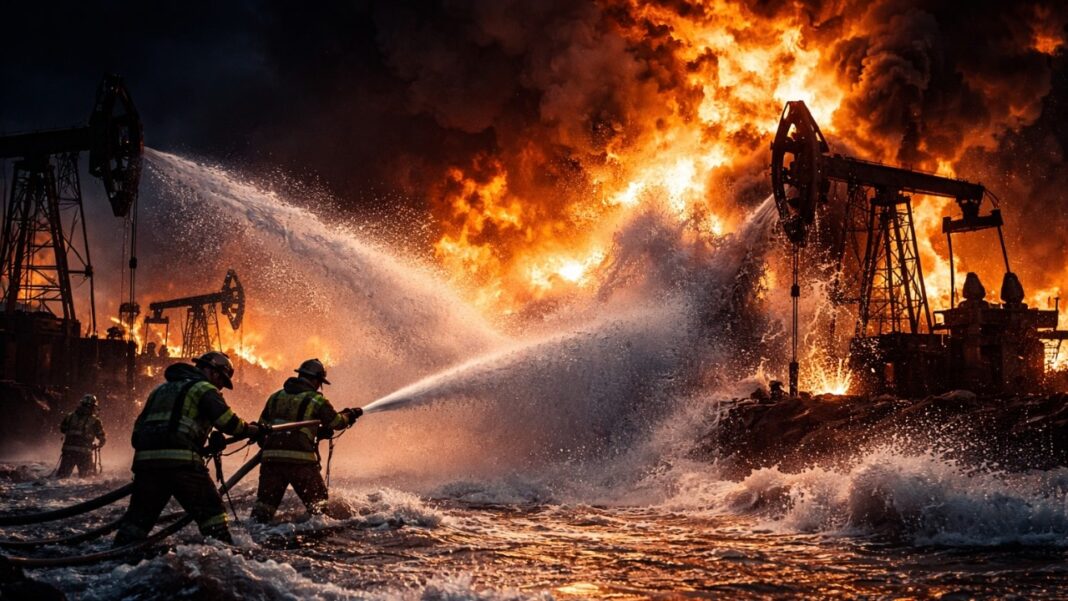
As the conflict between the United States, Israel, and Iran intensifies with no clear signs of de-escalation, its impact is being felt far beyond the battlefield.
Global energy markets are under strain as oil and gas shipments face disruption following Iran’s unprecedented blockade of the Strait of Hormuz.
This cycle of tit-for-tat strikes has placed vital oil and gas infrastructure in the Persian Gulf at heightened risk of fires, explosions, and long-term damage.
With hostilities escalating and critical infrastructure increasingly in the crosshairs, concerns are mounting over the potential for large-scale industrial fires and cascading failures across interconnected energy networks. As attacks continue, understanding how fires are controlled in oil and gas fields becomes crucial to assessing both immediate risks and the longer-term implications for global energy security.
WHAT IS HAPPENING IN THE MIDDLE EAST?
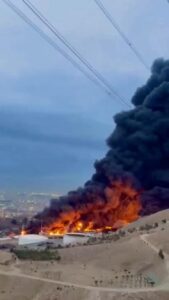
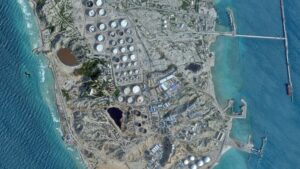
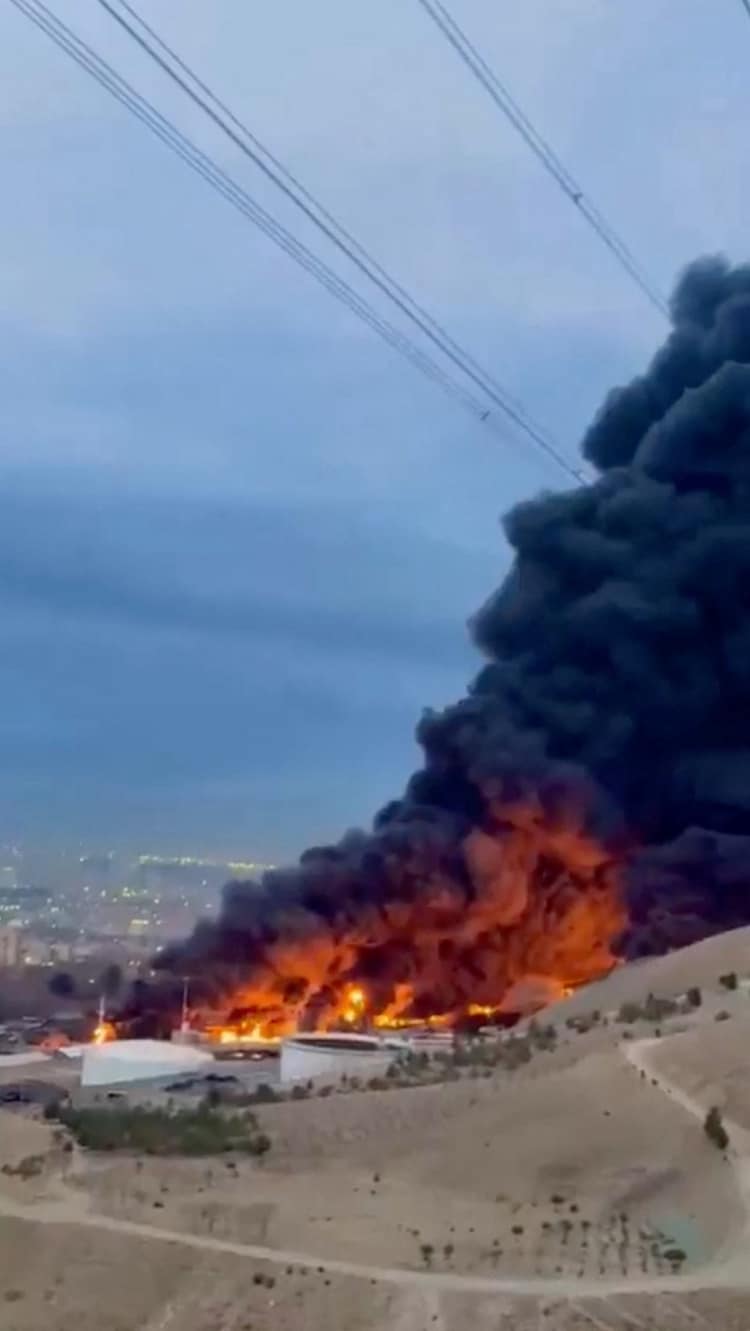
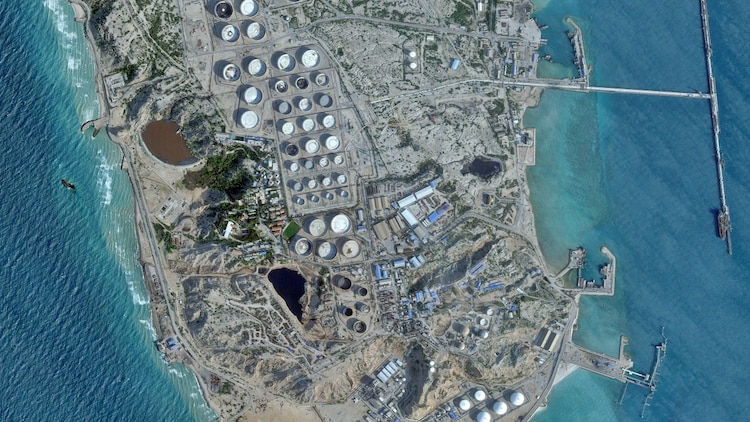
On Thursday, Iranian attacks reportedly damaged multiple gas facilities, including the Ras Laffan terminal, widely regarded as the world’s largest liquefied natural gas hub.
The strikes came just a day after Israel targeted Iran’s South Pars gas field, one of the most important energy reserves in the region.
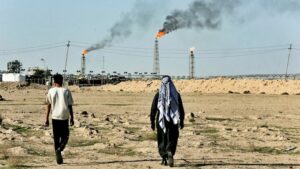
Fires at oil and gas facilities are among the most intense and technically challenging disasters to control. Unlike conventional fires, these blazes are not just burning fuel sitting in one place, they are often fed continuously by hydrocarbons escaping under high pressure from wells, pipelines, or processing units.
The recent attack on Iran-linked gas infrastructure near Ras Laffan has once again highlighted how complex and high-risk such firefighting operations can be.
HOW IS FIRE EXTINGUISHED AT AN OIL FIELD?
At the heart of the challenge is the nature of the fuel itself. Oil and natural gas are stored and transported under pressure, and when infrastructure is damaged, by accident or attack, the fuel can escape at high velocity, instantly igniting into towering flames.
These fires can reach temperatures of over 1,000°C and, crucially, they will continue burning as long as fuel keeps flowing. This makes them fundamentally different from building fires, where extinguishing the flames usually ends the event.
The first and most critical step in controlling such a fire is not extinguishing it, but cutting off the fuel supply.
Engineers and emergency teams work to isolate the damaged section by shutting valves, depressurising pipelines, or even halting production across an entire field. In large, interconnected facilities like Ras Laffan, this can involve shutting down multiple processing units to prevent the fire from spreading through pipelines or triggering secondary explosions.
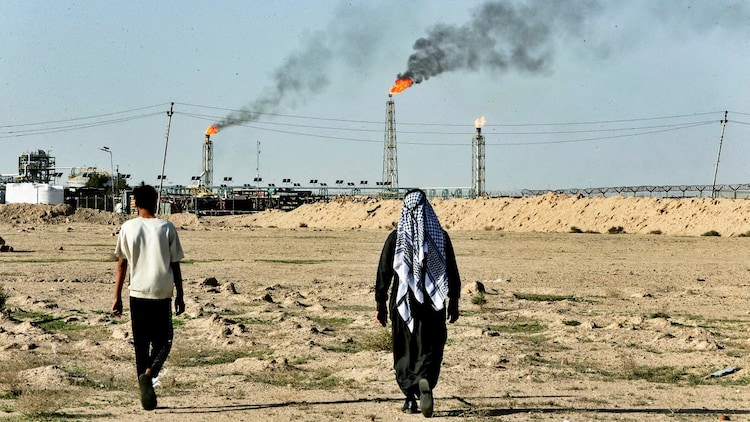
This process is often carried out remotely at first, as the heat and risk near the fire make direct human intervention extremely dangerous.
Once the flow of fuel is reduced or stabilised, firefighting teams attempt to extinguish the flames themselves. In some cases, especially at wellheads, explosives are used in a controlled manner to create a powerful shockwave that briefly removes oxygen from the fire, effectively snuffing it out.
This dramatic technique has been used in major historical incidents, including the Kuwait oil fires, and remains one of the fastest ways to extinguish large, high-pressure flames.
EVERYTHING WILL BE HOT
Even after flames are knocked down, the danger is far from over.
The surrounding infrastructure, pipes, valves, storage tanks, remains extremely hot and vulnerable to reignition.
To address this, teams deploy massive volumes of water, often drawn from nearby seas, using high-pressure cannons to cool equipment.
In some cases, specialised foam or chemical suppressants are added to prevent vapour ignition. Cooling can take hours or even days, depending on the scale of the fire.
The next phase involves physically securing the source of the leak. This is one of the most delicate and hazardous operations.
Engineers may install a capping device on a damaged well, inject heavy drilling mud to counteract pressure, or repair ruptured pipelines. The challenge is that fuel may still be escaping invisibly, creating an ever-present risk of sudden re-ignition or explosion.
Modern gas facilities add another layer of complexity. Unlike isolated oil wells of the past, today’s energy hubs are vast networks of interconnected systems. A fire in one section can quickly cascade into others if not contained swiftly.
This is why emergency response plans involve not just firefighting, but system-wide shutdowns and coordinated engineering interventions.
THERE CAN STILL BE LEAKS
Even after a fire is brought under control, recovery is slow and cautious. Teams continue to monitor for leaks, hotspots, and structural damage, while production may remain suspended for extended periods.
In conflict scenarios, the risks are even higher, as repeated strikes or limited access can delay response efforts.
Ultimately, extinguishing an oil or gas fire is not a single act but a multi-stage operation that combines firefighting with engineering.
It is a battle against heat, pressure, and time, where success depends as much on controlling the invisible flow of fuel as on putting out the visible flames.