

9.1 C
Delhi
Saturday, January 17, 2026

First-Ever Atlas of Developing Human Brain Reveals New Insights

Key Takeaways

  • First-ever brain development atlas maps cell formation from embryo to adulthood
  • Research reveals previously unknown cell types and unique human brain features
  • Findings could advance treatments for autism, schizophrenia, and brain cancer

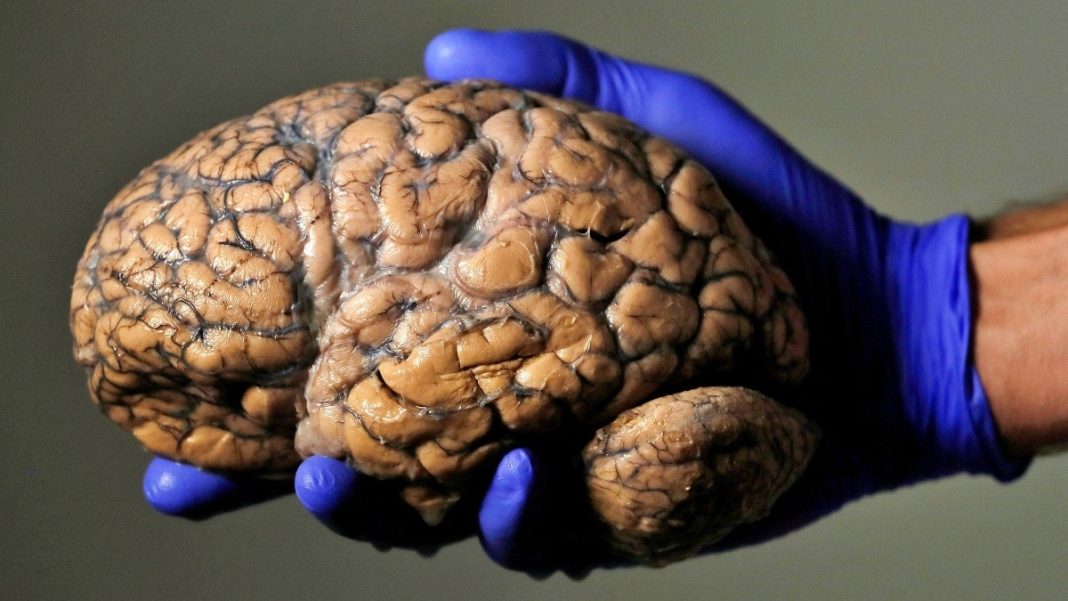
Scientists have achieved a major breakthrough by creating the first comprehensive atlas of the developing human brain. This landmark research maps how brain cells form, differentiate, and mature from embryonic stages through adulthood.

The international team completed initial drafts of both human and mammalian brain atlases, focusing on human, mouse, and monkey brain cells. They tracked how different cell types develop and how genes activate or deactivate over time.

Unprecedented Brain Cell Mapping

The research identified key genes controlling brain processes and discovered both similarities and unique aspects between human and animal brain development. Scientists uncovered previously unknown cell types, providing unprecedented detail about brain formation.

“Our brain has thousands of types of cells with extraordinary diversity in their cellular properties and functions, and these diverse cell types work together to generate a variety of behaviors, emotions and cognition,” said neuroscientist Hongkui Zeng, director of brain science at the Allen Institute.

Researchers have identified over 5,000 cell types in mouse brains and believe human brains contain at least as many.

Practical Applications and Medical Implications

The findings promise significant medical advances. By understanding normal brain development, scientists can better identify what goes wrong in conditions like autism, ADHD, and schizophrenia.

“First, by studying and comparing brain development in human and animals, we will better understand human specialization and where our unique intelligence comes from. Second, by understanding normal brain development in humans and animals, we will be better able to study what changes are happening in diseased brains,” Zeng explained.

Human Brain Unique Characteristics

The research revealed several unique aspects of human brain development. One key finding shows human cortical cells take much longer to differentiate due to our extended development period from fetus to adolescence compared to animals.

Newly identified cell types were found in the neocortex (responsible for higher cognitive functions) and striatum (controlling movement). The study also connected brain tumors to embryonic cells, suggesting cancers might hijack developmental processes.

UCLA neuroscientist Aparna Bhaduri emphasized the long-term goals: “The goal is to ultimately understand not only what the pieces of the developing brain are, but also to describe what happens in neurodevelopmental and neuropsychiatric disorders that develop vulnerability during development.”

The research represents a significant step toward understanding and treating brain disorders that emerge during development.


Latest

Indian Scientists Uncover Cell’s Life-or-Death Decision Mechanism

Breakthrough research reveals how cells choose survival or self-destruction under stress, opening new paths to treat cancer, heart attacks, and Alzheimer's.

ISRO Grounds PSLV After Second Consecutive Launch Failure

PSLV launches halted after January 2026 failure destroys 16 satellites. Investigation begins as ISRO's 2026 schedule faces major delays.

KID Capsule Survives ISRO PSLV Rocket Failure, Transmits Data

Spanish Orbital Paradigm's experimental KID capsule became the lone survivor of a failed ISRO launch, transmitting crucial re-entry data after the PSLV malfunctioned.

Flash Fog in Delhi: Science Behind the Sudden Zero-Visibility Event

Understand how a sudden 'flash fog' engulfed Delhi-NCR in minutes on Makar Sankranti 2026, its causes, dangers, and why meteorologists warn it may happen again.

Mysterious Dying Star Creates Colourful Cosmic Shockwave

Astronomers are puzzled by a white dwarf star ejecting gas and creating a vibrant, long-lasting shockwave in space, defying current scientific explanations.

Topics

Elon Musk Shares OpenAI President’s Files, Alleges Fraud Conspiracy

Elon Musk releases internal OpenAI documents, accusing leadership of a 'conspiracy to commit fraud' in an escalating legal and public feud.

Japan Investigates Elon Musk’s Grok AI, Warns Social Media Firms

Japan launches probe into Grok AI's data and content practices, issuing a compliance warning to all social media companies in a major regulatory move.

Trump Threatened Denmark with Tariffs Over Greenland Purchase Bid

Donald Trump reveals he considered tariffs and reduced protection to pressure Denmark into selling strategic Greenland, citing Russian and Chinese threats.

Putin Warns of ‘Catastrophic’ War in Calls with Israel, Iran Leaders

Russian President urges Netanyahu and Pezeshkian to de-escalate tensions, warning further conflict could lead to catastrophic violence across the Middle East.

RIL Q3 Profit Rises 11% to ₹19,641 Crore, Beats Estimates

Reliance Industries posts strong Q3 results with profit up 10.9%, EBITDA growth of 16.7%, and robust performance across all business segments.

Budget 2026: Education Sector Demands Focus on Skills and Jobs

Industry and academia seek higher funding for skill development, NEP implementation, and tax incentives in the upcoming Union Budget to boost employability.

Mumbai Voter Turnout Hits 32-Year High in Lok Sabha Elections

Mumbai recorded 55.38% voter turnout in 2024 Lok Sabha polls, its second-highest in 32 years. Analysis reveals what drove the surge and what it means for the city's civic engagement.

Indian Scientists Uncover Cell’s Life-or-Death Decision Mechanism

Breakthrough research reveals how cells choose survival or self-destruction under stress, opening new paths to treat cancer, heart attacks, and Alzheimer's.
spot_img

Related Articles

Popular Categories

spot_imgspot_img