Key Takeaways
- A rare red aurora over Ladakh’s Hanle on January 29, 2026, was triggered by a severe solar storm.
- Scientists warn this is a sign of the Sun’s rising activity as it nears its peak in 2026-2027.
- Powerful geomagnetic storms pose a severe threat to global satellites, GPS, internet, and power grids.
- Indian authorities are working to harden infrastructure, but vulnerability remains high.
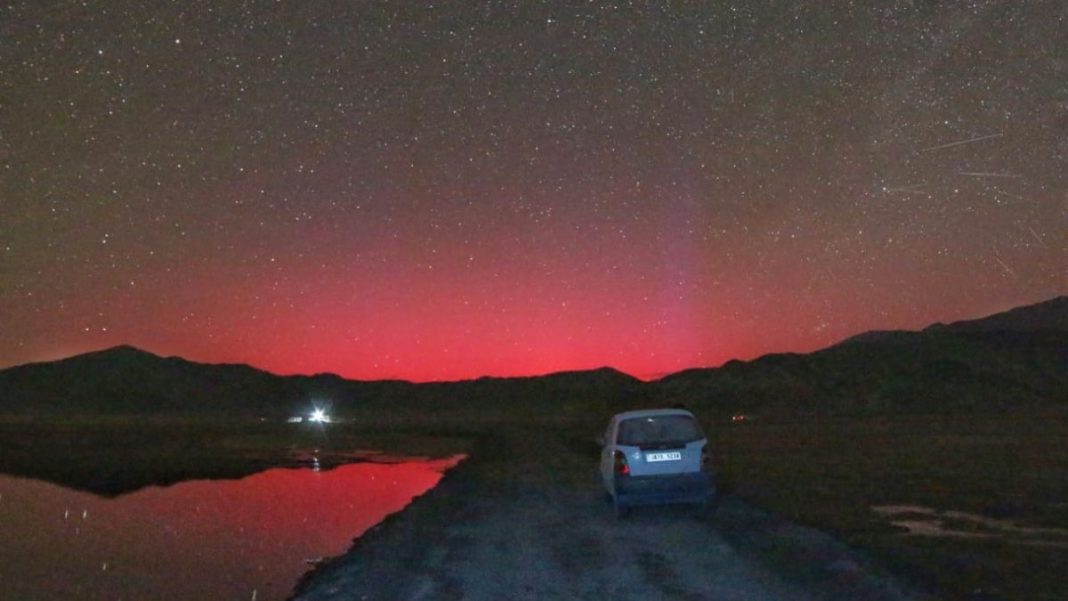
A stunning red aurora lit up the skies over Ladakh, serving as a direct warning of the Sun’s growing power and the risk it poses to our global digital infrastructure.
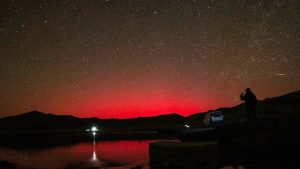
On the night of January 29, 2026, a powerful geomagnetic storm, born from a massive solar eruption, painted the skies over Hanle, Ladakh, a deep crimson. This rare sight, typically seen near the poles, was a visible sign of charged solar particles colliding with Earth’s atmosphere.
A Warning from the Sun’s Peak Cycle
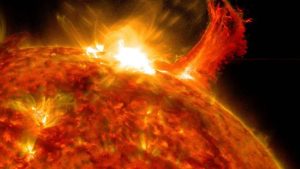
The event originated from a Coronal Mass Ejection (CME) on January 27. While creating a spectacle for astronomers, it signals the Sun’s approach to the peak of its 11-year solar cycle around 2026-2027. This increased solar volatility is a major threat to modern technology.
“The red skies over Hanle tell us that the window of safety is closing,” said Dr. Ravi Shankar, a space weather physicist at the Indian Institute of Astrophysics. “Powerful geomagnetic storms can disrupt the satellites that provide our daily GPS and internet. They can induce destructive currents in power grids, leading to widespread blackouts that could last for days or even weeks.”
Solar Cycle 25: Stronger Than Predicted
Solar Cycle 25 has already exceeded intensity predictions. With sunspot and flare activity consistently higher than forecast, the upcoming solar maximum could be among the strongest in decades.
The Threat of a “Carrington-Level” Event
The consequences of an extreme solar storm today would be catastrophic. A repeat of the 1859 Carrington Event could cripple global communications, disable satellites, and cause cascading power grid failures across continents, with economic damage in the trillions.
In India, the Central Electricity Authority and are collaborating to harden the national grid and protect satellites. While early warning systems are being upgraded, experts concede that infrastructure remains vulnerable to an extreme solar strike.
“The Hanle auroras were a beautiful warning of potential chaos,” Dr. Shankar added. “We are in a race against time to fortify our technological systems before the solar maximum hits. This is not science fiction; it’s a clear and present danger.”
The crimson skies over Ladakh are a vivid reminder of our planet’s fragile connection to its star—a connection that can shift from life-sustaining to deeply disruptive in mere hours.