Key Takeaways
- ISRO will conduct a third-party probe into the PSLV-C58 upper stage failure.
- The primary mission to deploy the XPoSat satellite was successful; the failure occurred during a post-deployment experiment.
- ISRO has a packed schedule of 12-14 missions planned for 2024, including key Gaganyaan tests.
India’s space agency, ISRO, has announced an independent, third-party investigation into the recent anomaly during a Polar Satellite Launch Vehicle (PSLV) mission. Union Minister Jitendra Singh confirmed the probe on Tuesday, emphasising the agency’s commitment to transparency.
What Happened During the PSLV-C58 Mission?
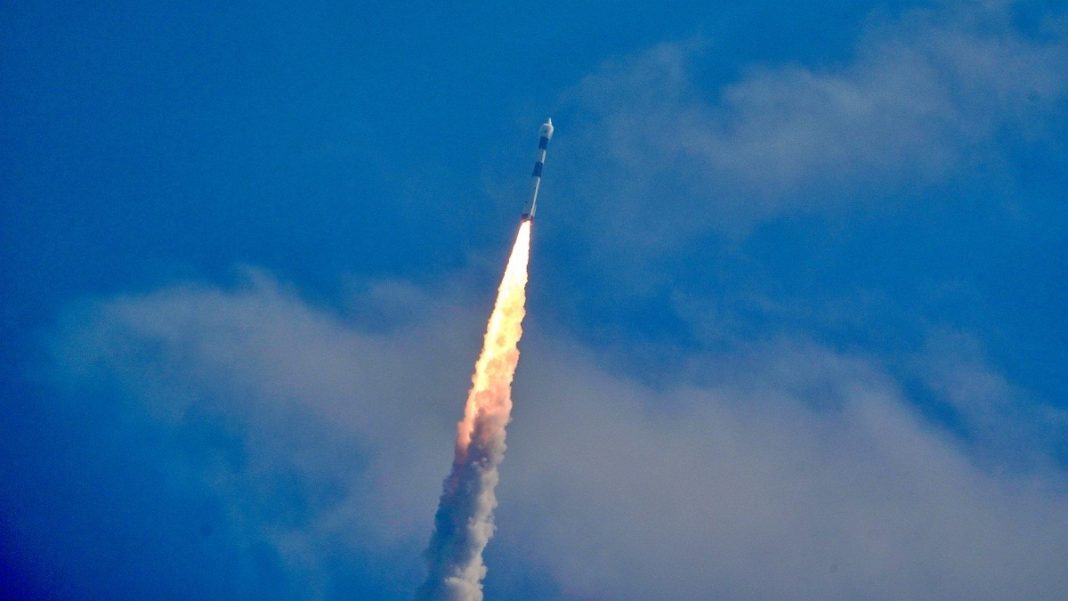
The PSLV-C58 mission launched successfully on December 31, 2023, and accurately placed its primary payload, the XPoSat satellite, into orbit. The setback occurred during a subsequent experimental phase. The rocket’s upper stage failed to perform a planned altitude-raising manoeuvre intended to place it into a lower orbit for additional in-space experiments.
“The PSLV failure is being investigated. A third-party inquiry will be conducted,” Minister Singh stated while speaking to media at the Indian Science Congress in Gurugram.
A Rare Setback for a Reliable Workhorse
Minister Singh clarified that the failure was isolated to the experimental segment. “The main mission was successful. The failure happened in the experimental part,” he said. This incident is notable as the PSLV has a decades-long reputation as the reliable workhorse of ISRO’s launch fleet.
ISRO’s Ambitious 2024 Launch Schedule
Despite the investigation, ISRO’s ambitious schedule for 2024 remains on track. The agency has planned 12 to 14 missions this year. A major highlight is the Gaganyaan human spaceflight programme, which includes two planned abort mission tests.
“We have a very packed schedule for this year. We have to do 12-14 missions. We have the Gaganyaan programme, where two abort missions are planned,” the minister confirmed.
The decision for an external probe highlights ISRO’s rigorous approach to failure analysis, aiming to uphold the high reliability standards of its launch systems for future missions.