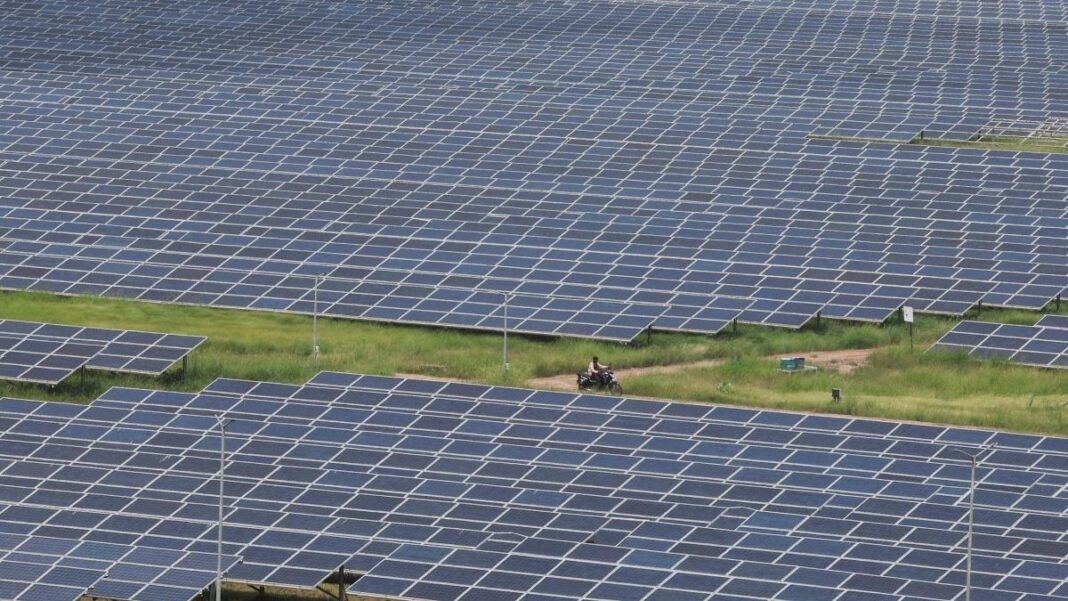
India has quietly pulled off one of the most dramatic energy transformations in the world. In just 10 years, the country has scaled its solar module manufacturing capacity from a modest 3 GW to a staggering 172 GW.
The Union Minister for New and Renewable Energy, Pralhad Joshi, announced this in the Lok Sabha in March.
A solar module is a flat panel, commonly seen on rooftops and open fields, that converts sunlight directly into electricity.
The jump in how many of these panels India can now produce domestically is what makes this milestone remarkable.
HOW MUCH SOLAR POWER DOES INDIA PRODUCE RIGHT NOW?
A decade ago, India depended heavily on imported solar panels to meet its clean energy goals.
Today, the country can manufacture 172 GW worth of solar modules on its own soil, supported by a domestic solar cell capacity of 27 GW.
A solar cell is the small unit inside every panel that does the actual work of converting sunlight into electric current.
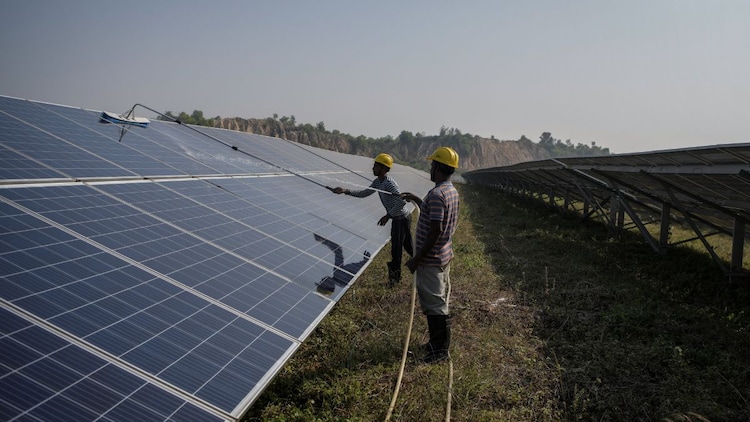
Multiple cells are assembled together to form one module.
The electricity actually flowing from solar sources into India’s national grid has reached 144 GW, meaning the infrastructure is not just being built.
It is actively powering homes, factories and cities.
WHAT IS THE PM SURYA GHAR MUFT BIJLI YOJANA?
The solar revolution is no longer confined to sprawling parks in Rajasthan or Gujarat. It is arriving on rooftops.
Under the PM Surya Ghar Muft Bijli Yojana, a government scheme that subsidises rooftop solar installations for households, nearly 10,000 units are being set up every single day across the country.
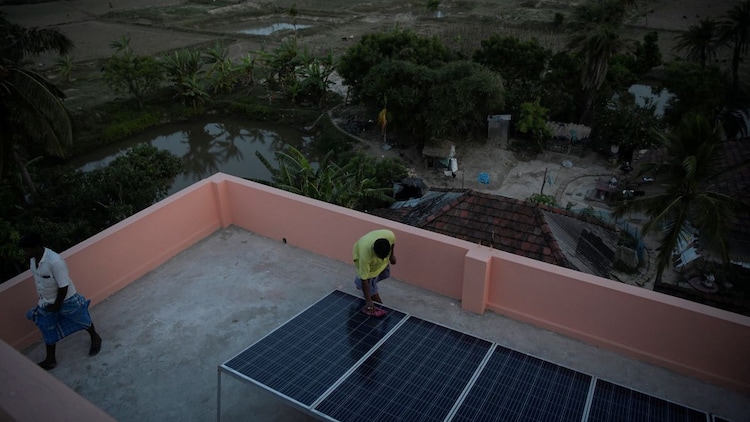
Since the scheme launched, 40 lakh rooftop installations have been completed. Maharashtra currently ranks second among all states in rooftop solar adoption.
HOW IS THE PLI SCHEME HELPING INDIA MAKE MORE SOLAR PANELS?
The Production Linked Incentive scheme, or PLI, is a government programme that rewards domestic manufacturers with cash incentives based on how much they produce.
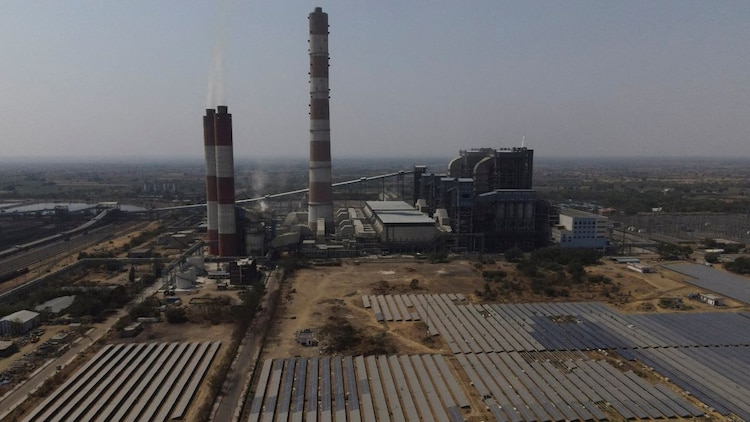
It has helped India build its own solar supply chain, covering ingots and wafers, which are the raw intermediate materials processed from silicon before cells and modules are made, all the way to the finished panel.
Wind energy capacity has also grown alongside solar, reaching 55 GW.
WHAT ARE INDIA’S SOLAR TARGETS FOR 2026?
From June 1, 2026, all solar energy projects in India, whether run by the government or private companies, will be required to use cells made within the country.
The Ministry of New and Renewable Energy is targeting 42 GW of domestic cell manufacturing capacity by then.
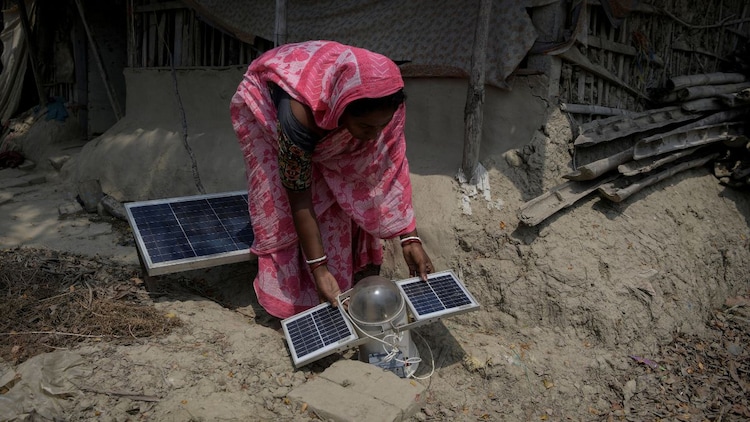
This rule, enforced through a government-approved list of verified manufacturers, is designed to protect India from global supply chain disruptions and price shocks that have previously slowed renewable energy projects.
If the last decade is any indication, India is unlikely to miss the mark.