
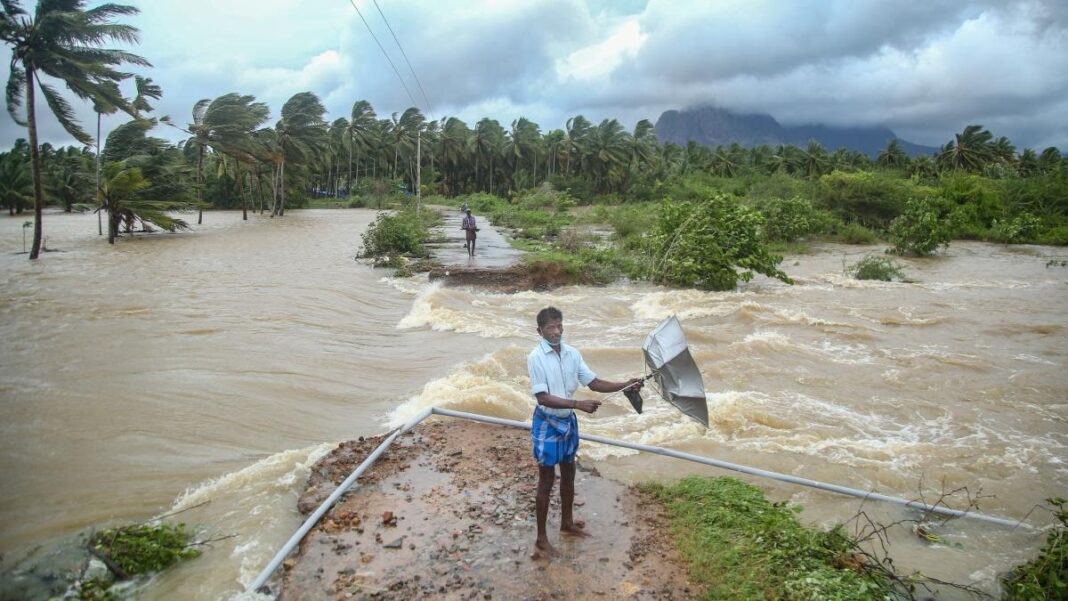
A dramatic drop in temperatures in Canada over 8,000 years ago may have triggered a sharp weakening of the Indian summer monsoon, according to a new study by scientists from the Birbal Sahni Institute of Palaeosciences.
The findings highlight how climate events in one part of the world can ripple across the globe, affecting weather systems thousands of kilometres away.
The event, known as the “8.2 ka cooling event,” occurred around 8,200 years ago and is considered one of the most significant climate disruptions of the Holocene epoch.
During this period, temperatures in Greenland dropped by about 3°C, accompanied by a sharp decline in atmospheric methane levels, clear signs of major changes in the global hydrological cycle.
Scientists attribute this cooling to a massive release of freshwater from glacial Lake Agassiz in Canada into the North Atlantic via Hudson Bay.
This sudden influx disrupted ocean circulation patterns, particularly the Atlantic Meridional Overturning Circulation, which plays a key role in regulating global climate.
What makes the study significant is the discovery of its impact on India’s monsoon system. Researchers identified clear evidence of this global event in India’s Core Monsoon Zone, particularly in central India’s Chhattisgarh region.
By analysing fossil pollen extracted from a 1.2-metre sediment core from Tuman Lake in Korba district, the team reconstructed past vegetation and climate conditions.
Different types of pollen revealed shifts in vegetation, from moisture-loving tropical forests to drier plant species, indicating a marked decline in monsoon rainfall during the 8.2 ka period.
Using radiocarbon dating and advanced modelling, scientists created a high-resolution climate timeline stretching back more than 8,000 years.
The study, published in the journal Quaternary International, points to a strong “teleconnection” between the North Atlantic and the Indian monsoon. In simple terms, cooling in the northern latitudes likely altered ocean currents and shifted global wind patterns, weakening monsoon circulation across the Northern Hemisphere.
These findings show the sensitivity of India’s monsoon to distant climate changes. Even during the relatively stable Middle Holocene, the monsoon system responded to disruptions in high-latitude oceans as well as tropical climate variability.
The research offers important lessons for today, as scientists warn that modern climate change could similarly disrupt global systems.
Understanding past events like the 8.2 ka cooling episode may help predict how future shifts in polar regions could influence rainfall patterns in monsoon-dependent regions like India, where millions rely on seasonal rains for agriculture and water security.


