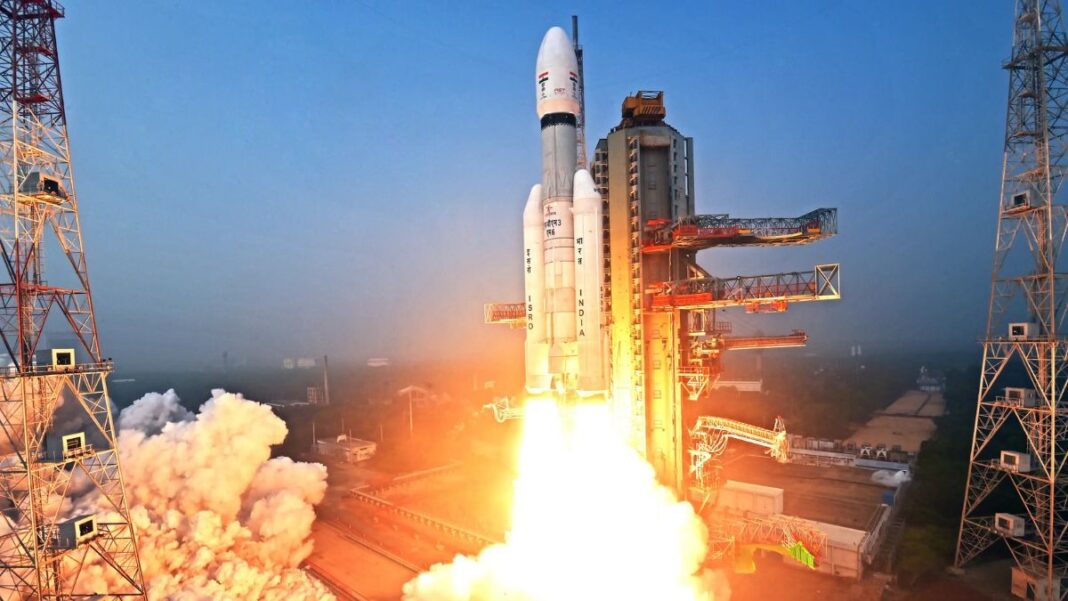
In a significant move for the global space economy, European satellite giant Eutelsat is in talks with the Indian Space Research Organisation (Isro) to expand its launch options.
As reported in Reuters, the France-based company is looking to diversify its partners beyond SpaceX and Europe’s Ariane rockets to challenge Elon Musk’s Starlink.
This potential partnership highlights India’s growing influence as a reliable and cost-effective hub for high-tech space missions.
The discussions come at a time when France and India are rapidly deepening their cooperation in defence and maritime security.
French President Emmanuel Macron recently emphasised the need for strategic autonomy in space, suggesting that relying solely on non-European providers is a risky path.
By teaming up with Isro, Eutelsat aims to secure its future launch capacity well in advance.
WILL ISRO HELP EUTELSAT CHALLENGE STARLINK?
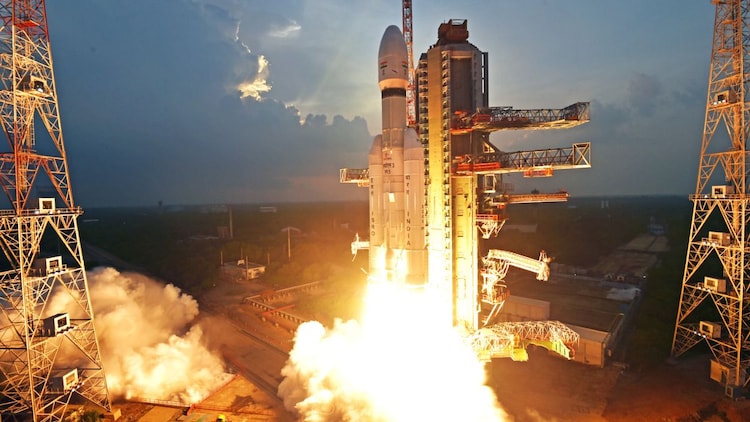
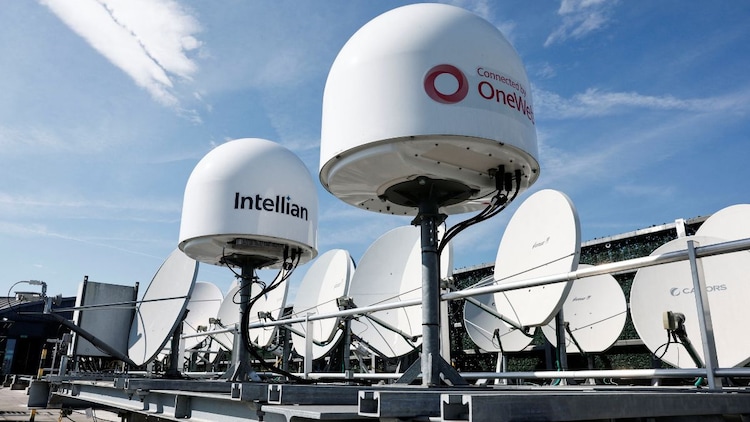
Eutelsat recently merged with OneWeb, a satellite internet startup backed by Britain and India’s Bharti Group. Before this merger, Isro successfully launched 72 OneWeb satellites on its Launch Vehicle Mark-III (LVM3) rocket, proving the reliability of Indian heavy-lift vehicles.
These satellites, which are roughly the size of a domestic refrigerator, provide high-speed internet to governments and businesses across the globe.
Eutelsat currently operates 650 satellites but expects to cross the 1,000-mark very soon.
According to the Reuters report, Airbus is currently building 440 new satellites for the fleet, and the company requires a steady stream of rockets to get them into orbit.
HOW IS INDIA CHANGING THE GLOBAL SPACE MARKET?
New Delhi is currently repositioning its space programme to shift routine manufacturing and commercial activity to the private sector.
While Isro focuses on advanced research and deep-space exploration, the government targets a domestic space economy worth 44 billion dollars by 2033.
For Eutelsat, accessing the Indian market is a strategic priority.
The company has already secured 5 billion euros in refinancing, ensuring it remains fully funded through 2031.
With launch costs typically making up 30 to 40 per cent of total satellite programme expenses, a deal with India could provide the financial efficiency France needs to compete in the crowded satellite internet sector.