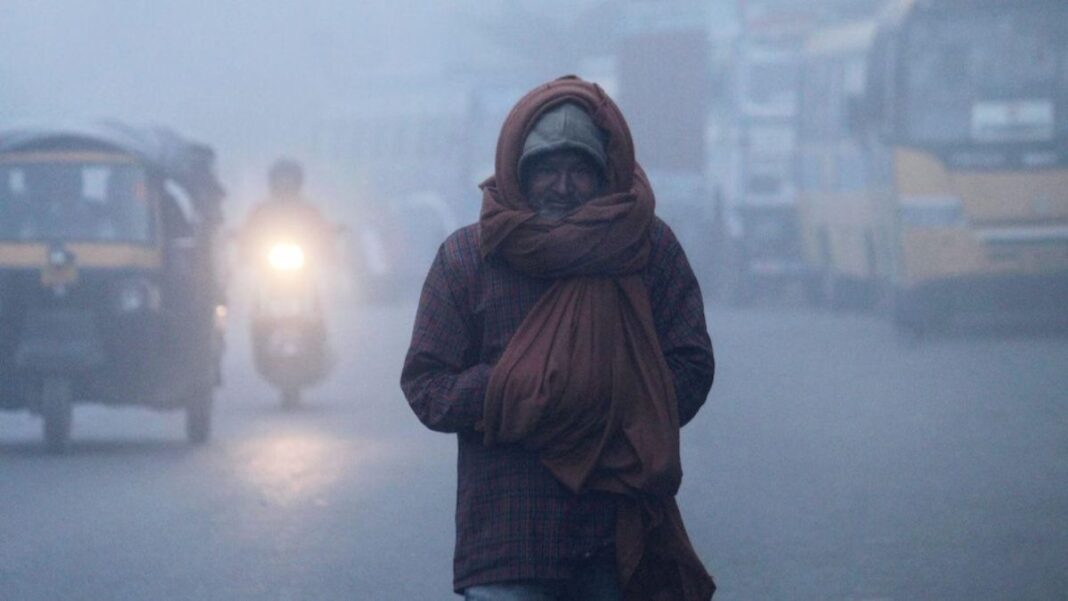
Cold wave turns silent killer: Study finds higher death risk than heat

Most people know to fear a heatwave and scorching conditions it brings. In contrast, far fewer people think of a cold morning as a medical emergency. That difference in how humans look at heat and cold must now shift.

Dropping temperatures are far deadlier for the heart than rising ones, and the scale of the damage is far larger than previously understood, a new study has concluded.

Researchers behind the study analysed monthly temperatures and cardiovascular deaths across 819 locations in the United States (US), covering roughly 80% of the population over the age of 25, over a period of two decades from 2000 to 2020.

The study was published on March 24 in the American Journal of Preventive Cardiology.

The temperature associated with the lowest rate of cardiovascular death turned out to be 23°C. Death rates gradually rose as temperatures moved in either direction from that level, but the rise was far steeper on the colder side.
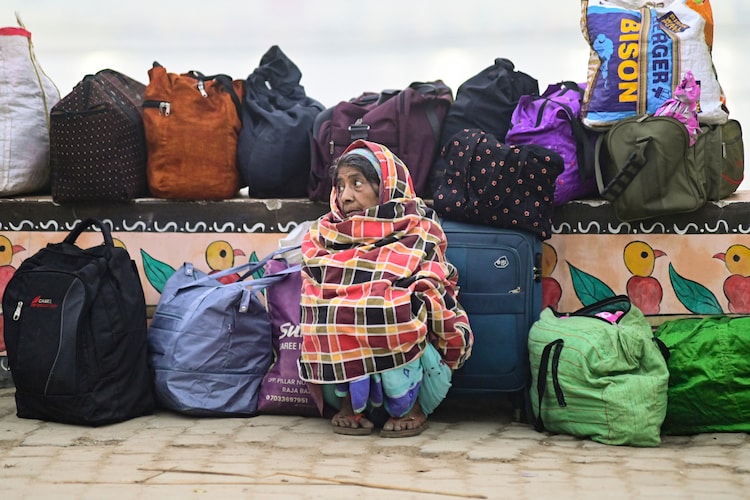
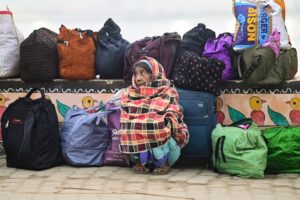
A woman during a cold winter morning in New Delhi. (Photo: PTI)

A woman during a cold winter morning in New Delhi. (Photo: PTI)

DOES COLD KILL MORE THAN HEAT?

The answer, according to this research, is yes. That too by a wide margin.

Cold weather accounted for roughly 40,000 excess cardiovascular deaths every year during the study period, which translates to about 6.3% of all cardiovascular deaths. Over the two decades, the number of deaths reached a total of 8 lakh.

By contrast, hot weather accounted for roughly 2,000 excess deaths per year, or about 0.33% of all cardiovascular deaths. A major difference when compared to the cold and the wide consensus. That is a twenty-to-one difference. Heat kills, but cold kills far more.

“This is the first time we have actual numbers for most of the United States, and we found the burden of excess deaths associated with cold is quite substantial,” said Pedro Rafael Vieira De Oliveira Salerno, lead author of the study and resident physician at Icahn School of Medicine at Mt. Sinai in New York.
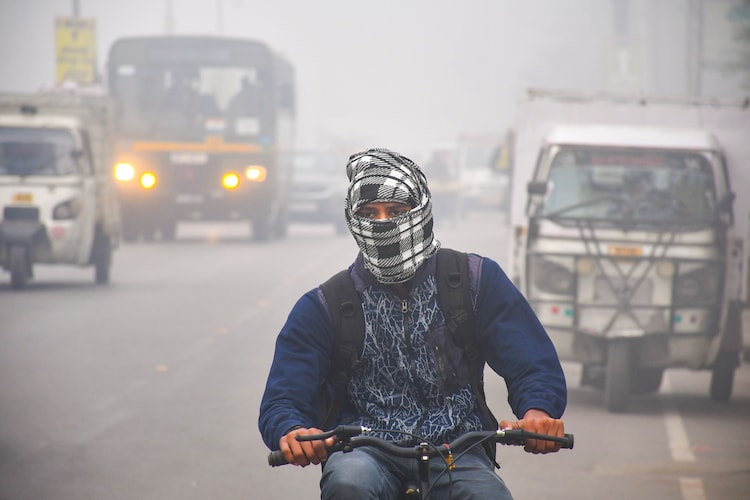
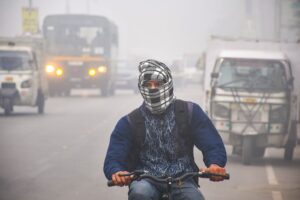
A cyclist commutes during a cold and foggy winter morning. (Photo: PTI)

A cyclist commutes during a cold and foggy winter morning. (Photo: PTI)

WHY IS COLD MORE DEADLY?

When the temperature drops, the body instinctively tries to conserve heat. Exposure to cold weather triggers a cascade of physiological changes including inflammatory processes and the constriction of blood vessels, which can ultimately lead to a greater risk of adverse cardiovascular events.

In simpler terms, narrowing blood vessels raises blood pressure and forces the heart to work harder, and for anyone with existing heart disease, that extra strain can be the difference between life and death.

People who are older or have chronic conditions like diabetes, heart failure, or kidney disease are significantly more vulnerable to these effects.

WILL CLIMATE CHANGE AFFECT HEARTS?

Climate change tends to dominate public health conversations through the lens of extreme heat. But the researchers caution that cold remains a serious and underrated threat.

“We tend to focus on heat-related impacts of climate change, but climate change also includes extreme cold. We need to not only have heat-related mitigation measures, but also cold-related mitigation measures,” Salerno said.
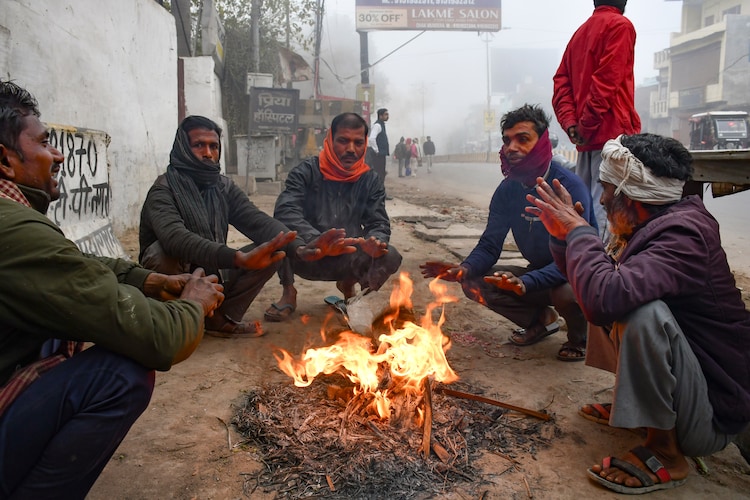
People warm themselves around a small fire during a cold and foggy winter morning. (Photo: PTI)

People warm themselves around a small fire during a cold and foggy winter morning. (Photo: PTI)

As rates of chronic conditions like diabetes, heart failure, and chronic kidney disease rise, the number of people vulnerable to the effects of extreme temperatures is expected to grow as well.

The study’s implications stretch well beyond hospitals.

“It’s important for public health planning and also for institutions to anticipate more emergency medical service calls and in-hospital mortality during cold periods. Our systems need to be prepared for that influx of patients,” Salerno said.

The next time a cold front sweeps in, it may be worth treating it with the same caution as a heatwave. The data suggests our hearts already do.
Latest

Can humans survive Mars gravity? New study flags muscle loss risk for astronauts

NASA and scientists are studying the effects of low gravity on human muscle to prepare for Mars missions. Research on mice revealed that 0.33g partially mitigat

Light rain likely across north India tonight, western disturbance building up

In the Himalayan region, light rainfall and snowfall are expected over Jammu and Kashmir, Himachal Pradesh and Uttarakhand, indicating continued western disturb

India sets bold climate goals: 45% emission reduction, 60% non-fossil power by 2035

New targets, old track record. India has stepped up on the global climate stage with ambition.

Artemis-II Moon mission launch on April 2: Biggest risks the four astronauts face

It will be the first time humans will travel on the Space Launch System (SLS) rocket and Orion spacecraft, and would also be the farthest we have travelled from

Nasa to launch nuclear spaceship SR-1 Freedom, deploy helicopter fleet on Mars

Nasa officials say this marks the first time such a system will be used as the primary propulsion method for an interplanetary spacecraft.

Topics

Binance Tightens Market Making Rules In Wake of Crash Criticism

Binance, the world’s largest crypto exchange, is tightening rules for token issuers and providers of liquidity on the platform following criticism of digital-

Jury finds Instagram and YouTube liable in a landmark social media addiction trial

Jury finds Instagram and YouTube liable in a landmark social media addiction trial

Iran claims strike on US F-18 fighter jet; US Central Command rejects claim

Iran’s latest assertion marks the most recent in a series of contested claims as tensions continue to escalate between Tehran and Washington.

Zohran Mamdani gets heckled during a press conference, says ‘If I don’t hear him yelling at me…’

US News: New York City mayor Zohran Mamdani was interrupted by a heckler as he was addressing a press conference on affordable housing. As Mamdani was speaking.

Gemini gets a major upgrade as Google adds 3-minute AI music generation: here’s how it works

Gemini's new Lyria 3 Pro integration enables the creation of 3-minute music tracks with improved fidelity and customization. It supports diverse applications, f

Reddit will now ask accounts with ‘fishy behavior’ to verify they are human: here’s how it will work

Reddit is implementing measures to ensure users interact with real people, not AI. Reddit CEO Steve Huffman announced a targeted verification system for suspici

Can humans survive Mars gravity? New study flags muscle loss risk for astronauts

NASA and scientists are studying the effects of low gravity on human muscle to prepare for Mars missions. Research on mice revealed that 0.33g partially mitigat

SC upholds states’ right to change industrial policy in a 25-year-old dispute

SC overturns Bombay High Court verdict and ruled in favour of Maharashtra in a 25-year-old dispute over the rollback of electricity duty exemption.
spot_img

Related Articles

Popular Categories

spot_imgspot_img