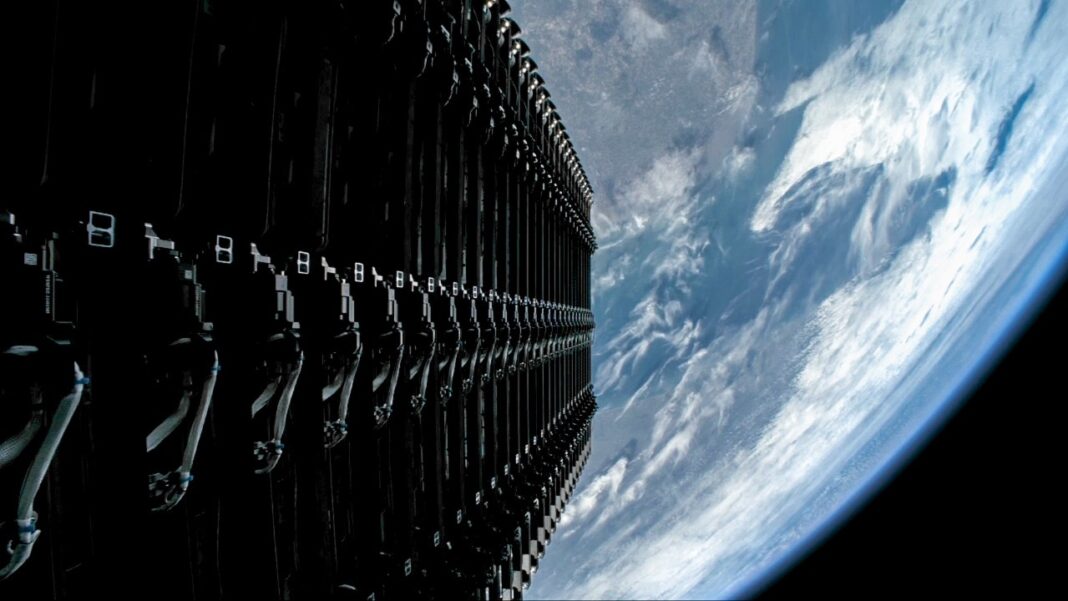
Space just got a lot more crowded and one company owns most of it.
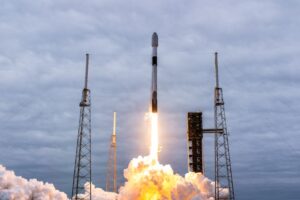
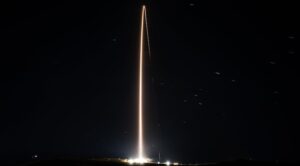
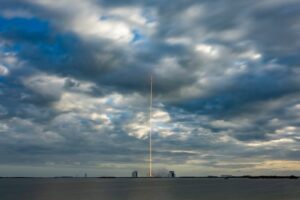
On March 17, the SpaceX Falcon 9 rocket lifted off from California, US, carrying 25 satellites into orbit. That launch pushed the total number of active Starlink satellites in space past 10,000, a figure that would have sounded like science fiction just a decade ago.
Elon Musk, the world’s richest person, owns SpaceX. The private space firm now has 10,021 Starlink satellites actively circling Earth. That works out to roughly two-thirds of every operational satellite currently in orbit, from any country or company in the world.
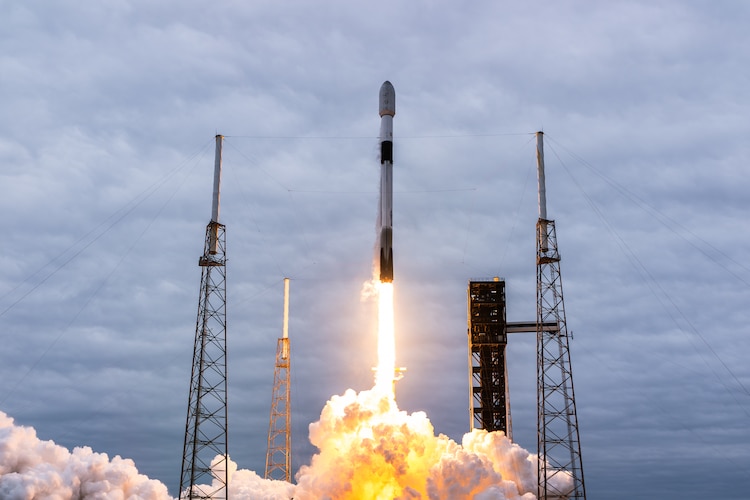
To put that in perspective, before 2019, the entire planet had only a few thousand satellites in orbit, from decades of launches by dozens of nations.
SpaceX has now matched and surpassed all of that in under seven years. The Starlink milestone of 10,000 satellites in orbit is being called a turning point in the history of low Earth orbit and satellite broadband.
HOW MUCH ELON MUSK CONTROL?
What began as an ambitious plan to provide the internet using satellites in space has quietly become one of the most powerful communication networks ever built.
Starlink satellite internet now serves over 10 million users across 160 countries, reaching remote villages, war zones, and areas where traditional broadband has never arrived, including parts of rural India, where Starlink India services are awaiting full regulatory clearance.

That reach comes with enormous influence.
Elon Musk’s control over Starlink gives him the practical ability to turn internet connectivity on or off for entire regions; a power that has already drawn scrutiny on the global stage.
China has formally complained to the United Nations (UN) about the scale of the mega constellation of satellites, while critics argue that no single private company should hold this kind of leverage over global communications.
SpaceX has achieved this at a pace that rivals find nearly impossible to match.
The company’s reusable Falcon 9 rocket has completed more than 600 launches and can carry up to 60 satellites per trip, making it the backbone of the fastest satellite deployment programme in history.
IS PLENTY SATELLITES IN THE SKY RISKY?
At the same time, the overwhelming presence of satellites in Earth’s orbit is worrying.
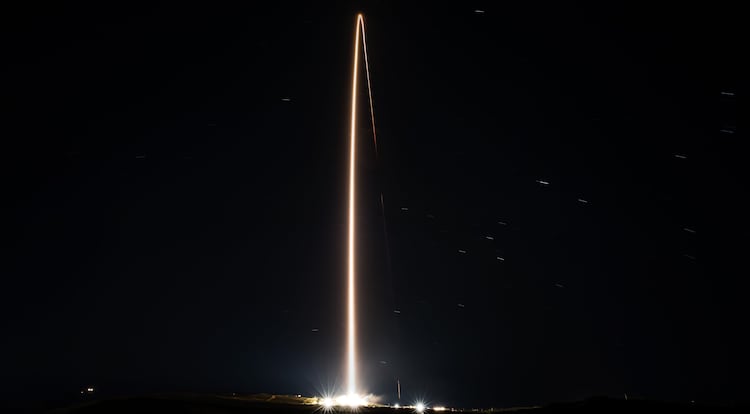
The sheer scale of Starlink is beginning to strain the space environment itself. All 10,000 satellites fly in a narrow band of roughly 480 to 550 kilometres above Earth, travelling at about 27,000 kilometres per hour. Keeping them from hitting each other requires automated space traffic management at a scale never attempted before.
In 2025, Starlink’s satellites performed around 3,00,000 collision-avoidance manoeuvres, translating to nearly 40 per satellite over the year. A December 2025 incident, in which a Starlink satellite exploded and shed debris, highlighted how serious the space debris risk is becoming.
In response, SpaceX announced it would lower about 4,400 satellites to 480 km altitude in 2026, where failed spacecraft fall back to Earth faster.
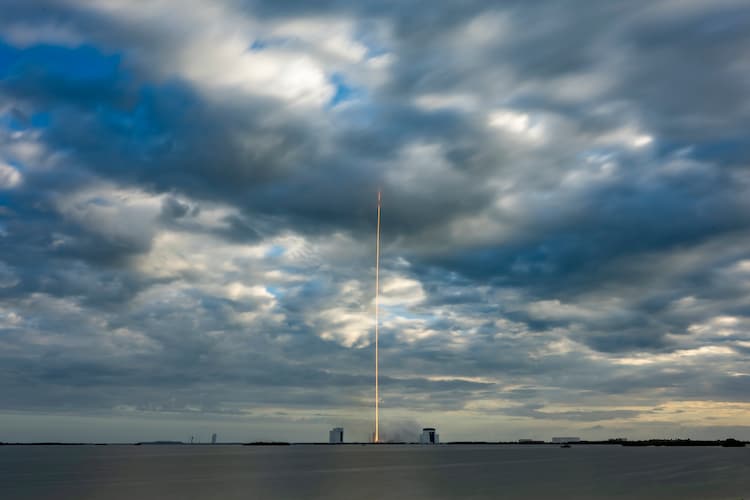
Then there is the scenario called the Kessler syndrome that scientists have warned about. In this scenario, one collision triggers a chain of further collisions, potentially making certain orbits unusable for generations.
SATELLITES ARE MAKING SPACE OBSERVATION BLIND
The rapid deployment of thousands of commercial satellites, led by mega-constellations like SpaceX’s Starlink is casting an unprecedented shadow over astronomical research.
Professional observatories and ground-based telescopes increasingly struggle to capture clean images of the night sky, as bright satellite trails streak across long-exposure photographs, corrupting critical data.
Astronomers have flagged that Starlink satellites streak across telescope images, disrupting observations and permanently altering the night sky.
Radio telescopes face growing interference from satellite transmissions, while light pollution from low-Earth orbit disrupts the precise observations needed to study distant galaxies, track asteroids, and monitor cosmic phenomena. For astronomers, space observation is becoming difficult as space itself is becoming crowded.
Whether any international framework can govern this new era of satellite internet dominance and low Earth orbit congestion remains an open and urgent question.