

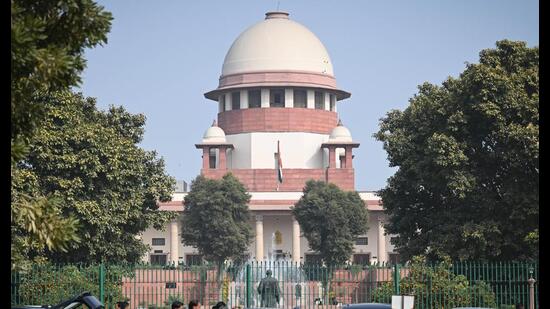
Imagine a sixth-grade classroom in an Indian middle school that begins the year with 50 bright-eyed girls eager to dive into civics, algebra, and the human body. By the end of the year, some of them would have dropped out. Nothing to do with the syllabus, but everything to do with the human body. One in five girls drops out of school due to the lack of menstrual hygiene management (MHM) facilities. Schools neither talk the menstrual talk nor walk the provision of menstrual products. This was raised before the Supreme Court in the recent Dr. Jaya Thakur v. Government of India.
In its ruling, the Court saw MHM as a matter of equality. It delivered a landmark judgment, holding that the non-availability of menstrual absorbents, gender-segregated toilets, and sensitisation at school violated school girls’ rights of health and dignity under Article 21, but more importantly, amounted to gender-based discrimination under Article 14.
At school, menstruating girls, as against their male peers, face the additional physical labour of menstruation (with 60% menstruators in India tackling dysmenorrhea), the financial burden of procuring absorbents, and stigma and harassment from peers and teachers. Their right to education is contingent on these additional factors that place girls at a considerable disadvantage.
Substantive equality demands that differential measures are required to enable equality of opportunity for unequally placed groups. Courts can order the State to undertake positive measures for the disadvantaged group. In this case, the Court directed the states and Union Territories to ensure functional, accessible, gender-segregated school toilets with free napkins and safe sanitary waste disposal, monitored through inspections.
The register of equality makes MHM a public issue rather than a private health concern managed in secrecy. Recognising that stigma and shame exclude girl children from education, the Court mandated gender-responsive education on menstruation for all students, including boys. Ten years ago, even in my private school in a metropolitan city, boys did not attend menstrual awareness sessions, reflecting how generations of men are raised without awareness, empathy, or responsibility for caregiving during menstruation. Further, a 2014 Dasra study showed that 70% of mothers themselves considered menstruation “dirty” and passed that language on to their children (of all genders). This is precisely what the Court sought to counter through sensitisation.
In this judgment, the Court used the language of menstruating “girls”. However, gendered language can result in the exclusion of trans individuals from the discourse. A recent study showed that trans and non-binary menstruators in India reported facing challenges beyond bleeding, including misgendered health care services and the lack of social support. Using neutral terms like menstruators and accounting for the unique challenges of trans individuals can make MHM policies queer-inclusive.
A decade ago, UNICEF reported that over 50% of adolescent girls in several Indian states were unaware of menstruation. The Dr Jaya Thakur judgment reflects a core reproductive justice tenet: While menstruators should exercise autonomy over their reproductive health, addressing unequal health burdens is a shared responsibility of society and the state. Menstruation already taxes half the population; that tax must be redistributed to make education more gender-equal.
Jwalika Balaji is a research fellow at the Vidhi Centre for Legal Policy. The views expressed are personal


