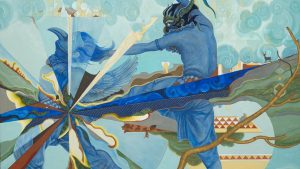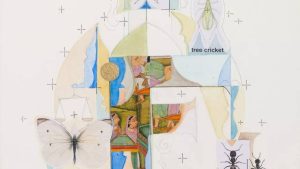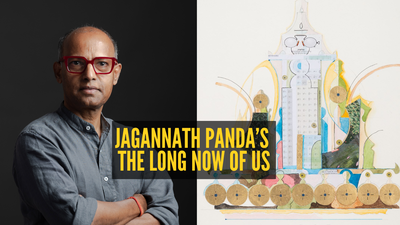
Giving back to your land is not just a token of gratitude; it is also a way of inspiring the younger generations. And that is exactly what internationally acclaimed contemporary artist Jagannath Panda is doing in his hometown, Bhubaneshwar, as he returns after three decades of a richly layered artistic journey with a deeply reflective solo exhibition titled The Long Now of Us, which re-examines time, memory, and cultural symbolism. The exhibition, rooted in the idea of cyclical returns and inspired by regional sensibilities, explores how meanings shift when art encounters its place of origin. Running till 27 February 2026 at Lalit Kala Akademi, Regional Centre, Bhubaneswar, the exhibition, curated by Sibdas Senguptam, features collage, sculptural interventions, and philosophical inquiry; the practice engages with questions of ecology, community, and the hyper-circulated image world of late capitalism. In this conversation, the artist reflects on homecoming, evolving material languages, and the role of art as a powerful disruptor of contemporary reality.
I have wanted to exhibit in my hometown for a long time, but finding the right space and building the necessary infrastructure took nearly a decade.
What I find most compelling in this process is how the work is perceived within the region. The meaning of my subjects shifts significantly when viewed inside Odisha versus outside. Cultural symbols, like the Odissi dancer or the chariot, transcend their traditional roles here, offering new ways to imagine these subjects in a contemporary context. This has allowed me to witness my own practice through a fresh, transformative lens.
Cyclical time has always been central to my artistic imagination. For this exhibition, I drew specific inspiration from Gopinath Mohanty’s understanding of temporal logic. This notion of time returns through rituals, repetitions, seasons, and festivals, but it is most deeply rooted in the community. The central idea of this show is a concept of time shaped by the collective experience rather than an external utopia; this philosophy guided the production of the various bodies of work presented here.
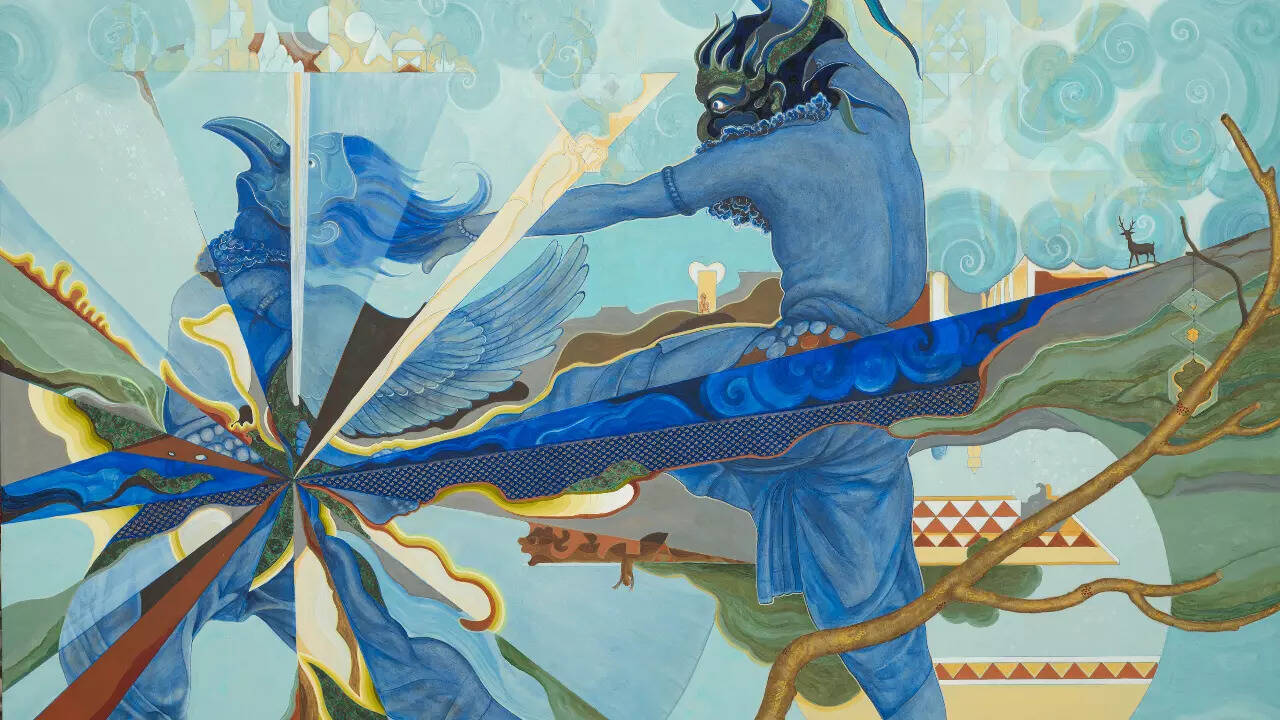
For me, collage is a playful act. I don’t seek an absolute meaning during the process; instead, I engage with different materials and their unique historicities to produce a “third meaning”—one that is simultaneously personal and universal. As I deepen my understanding of my practice, I see it as a counter-site to the over-rationalized world surrounding us. We are constantly inundated with images and information; the world has changed completely in just the last five years.
My practice is a direct response to that shift, an attempt to find a foothold amidst the “circulationism” of late capitalism.
I was interested in a singular question: Can the chariot move beyond its status as a cultural symbol to become an ecological imagination of our times? I found myself haunted by what this chariot would carry, whose histories it would tell, and where it would move. This large-scale sculptural installation functions as an archive of an alternative history.
It speaks to our ethical responsibilities to the community and the collective power of humanity in shaping a sustainable future.
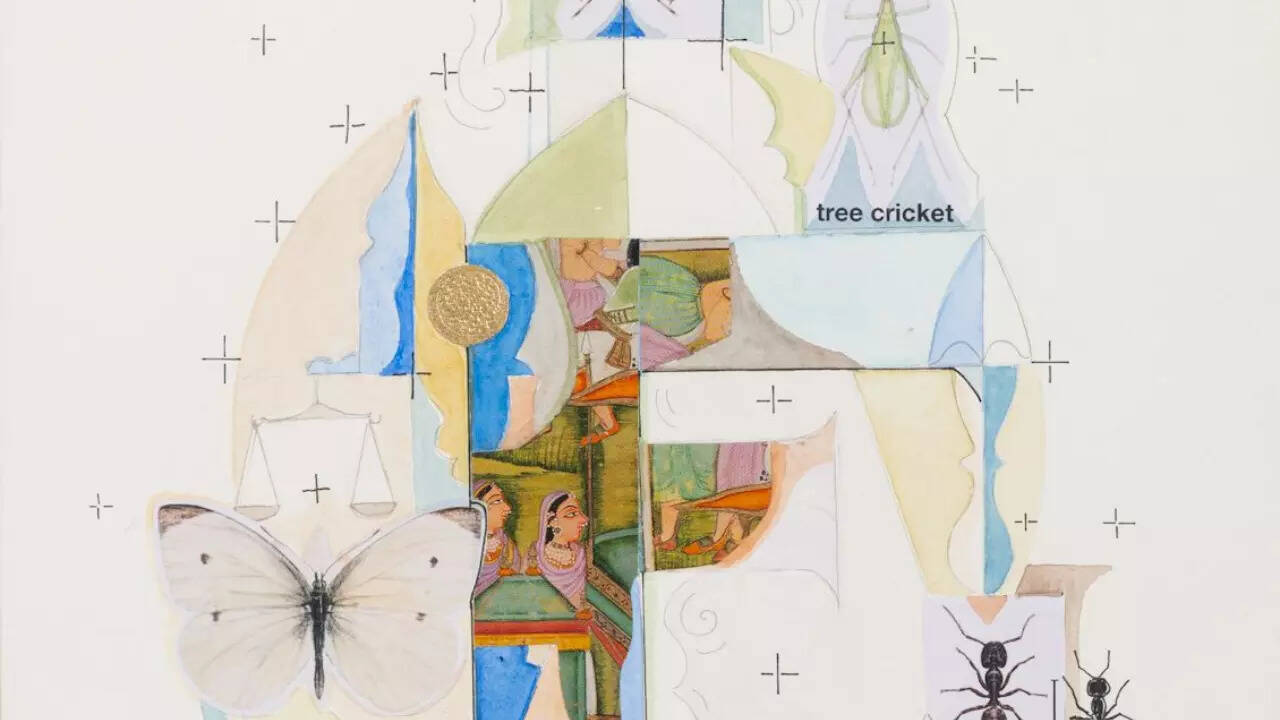
I believe we inhabit multiple realities simultaneously. This exhibition is a response to the “prolonged present” my practice has occupied over the last three decades. While my urgencies and techniques have evolved, the core remains constant. Issues like ecological precarity and class diversity have become exponentially more complex in recent years. I see the artist’s role as that of a disruptor. My aim is to create ruptures in “reality” that destabilize our preconceived notions of normalcy.
I believe that is the fundamental task of an artist, to respond effectively to the changing times that surround us.