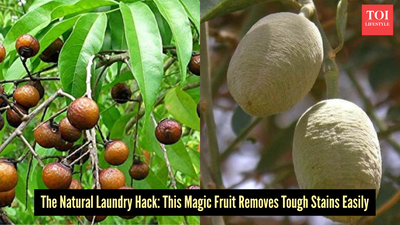
Long before the chemical detergents existed, people across India heavily relied on natural fruits and plant extracts to wash their clothes. Among many, the most notable were reetha and hingot, which are both known for their natural cleansing properties. These fruits contain rich plant compounds that act like soap when mixed with water, making them an eco-friendly option.
But do you know that in rural villages of Madhya Pradesh and Uttar Pradesh, people still use these instead of detergents, living a sustainable life without using chemical products? And now, these washing methods are finally attracting attention to promote a better and more environmentally friendly lifestyle.
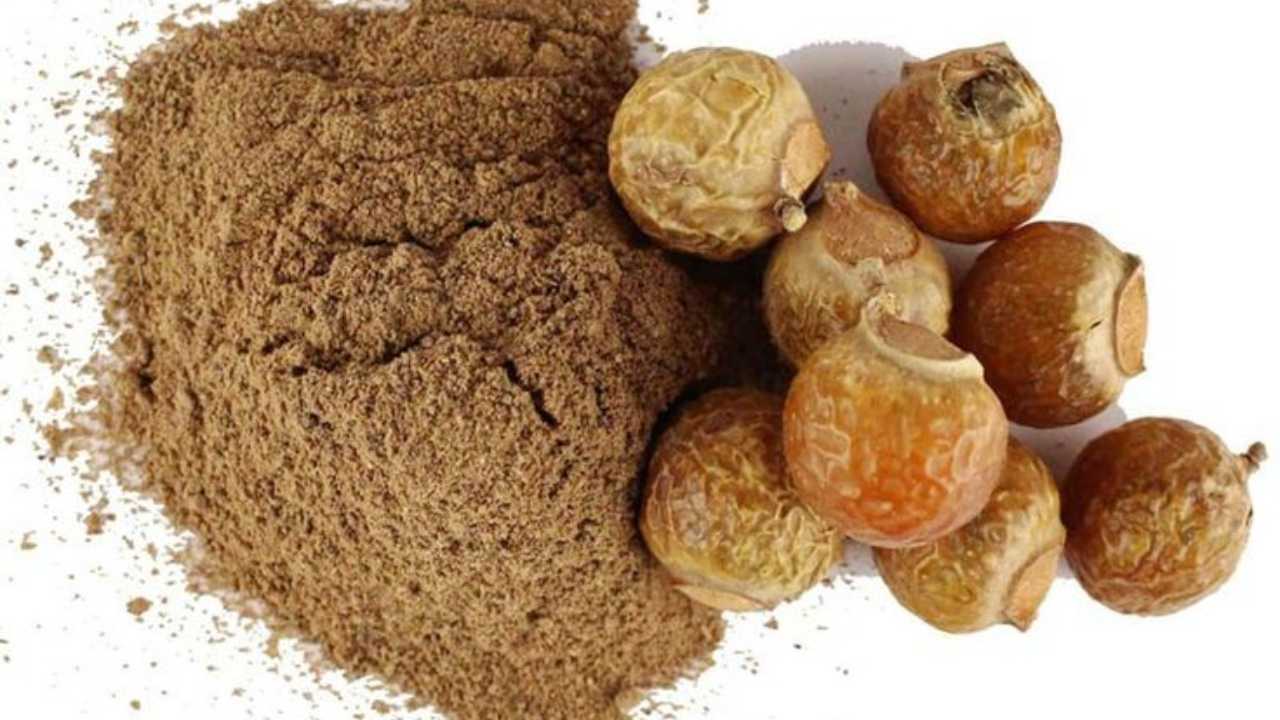
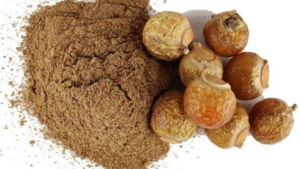
Reetha is known as ‘soap nut’, which is the dried fruit of the *Sapindus Mukorossi* tree. The shell of this fruit contains saponins, which are natural surfactants that produce foam when mixed with water, to remove oil and dirt. Reetha is also used to wash hair in Indian households, where many women apply it weekly for long, strong, and shiny locks.
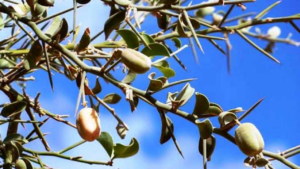
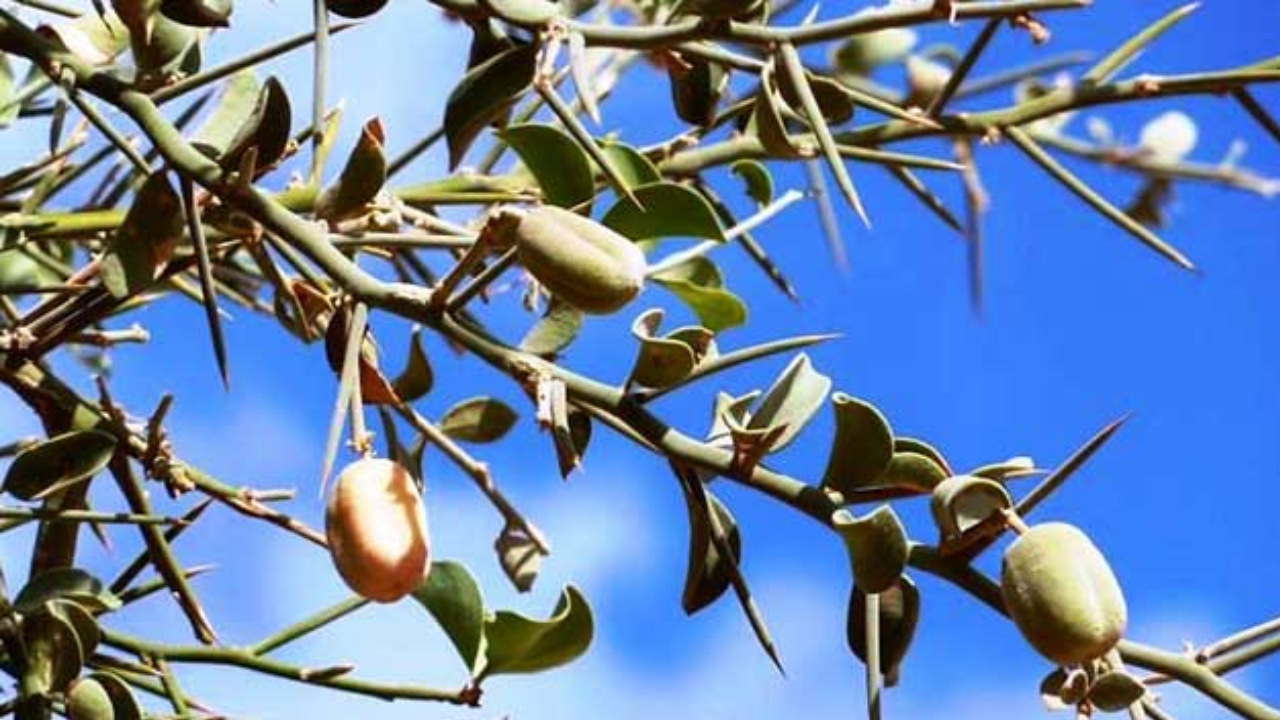
Hingot is also known as the desert date, which grows in the dry regions of Rajasthan.
Rural communities use the fruit pulp and seeds as a natural washing and cleansing agent, which helps loosen dirt and oil from fabrics.
Take around 5 to 6 reetha pods and place them in a small cotton or muslin bag.
Next, add them in a bag to your washing machine or simply drop them in a bucket of water.
Now, start normally washing your clothes. You can also use the same shell at least 3 to 5 times.
Turn it into a liquid detergent
Crush at least 8 to 10 reetha pods and then boil them in water for around 15 minutes.
Now, strain the liquid and then use it as a natural detergent.
You can also store this solution in your refrigerator and use it again.
From protecting fabrics to reducing environmental impact, hingot and reetha demonstrate how traditional wisdom can offer sustainable solutions even in today’s fast-paced world.