
17.1 C
Delhi
Sunday, January 18, 2026

Gen Z Finds Slurs More Offensive Than Traditional Swear Words

Gen Z Redefines Offensive Language: Slurs Outrank Traditional Swear Words

A major linguistic shift is underway as Generation Z now finds racist, sexist, homophobic, and ableist slurs far more offensive than traditional swear words, according to new research from Macquarie University.

Key Takeaways

  • 16 of the 20 most offensive terms identified were slurs, not traditional swear words
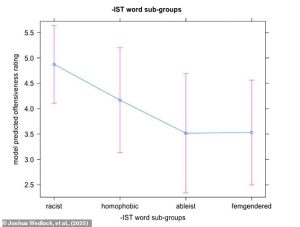
  • Racist slurs ranked as most offensive, followed by homophobic, ableist, and sexist terms
  • Traditional profanity related to sex, religion, and bodily functions has lost much of its shock value
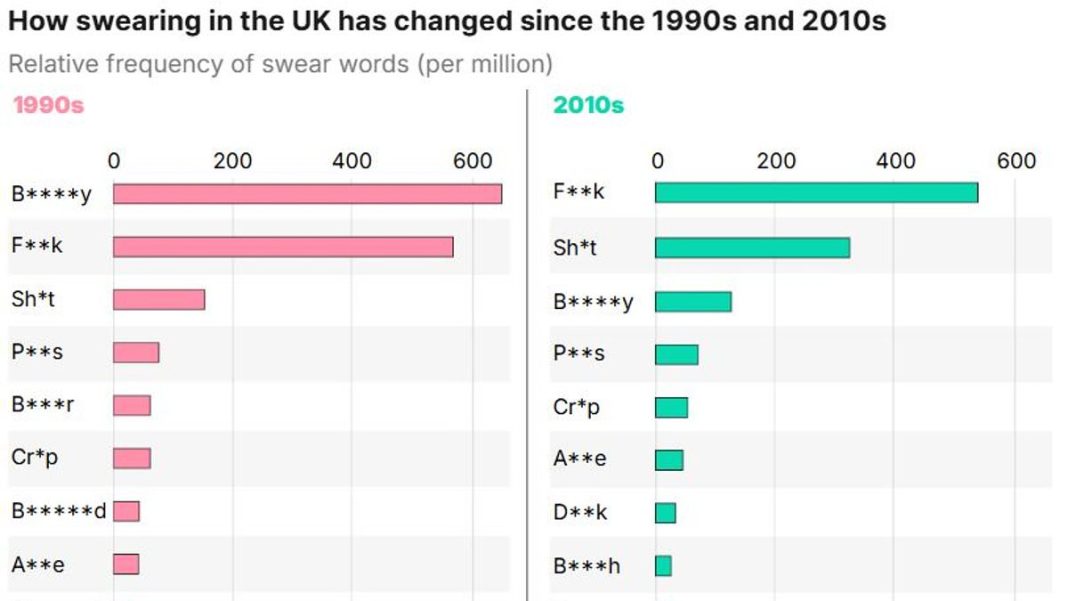
  • Swearing frequency has declined by over 25% since the 1990s

Changing Taboos in Modern Language

Researchers found that words like ‘bloody’, ‘bugger’, ‘bastard’, and ‘bullshit’ are now considered so tame that many young people don’t even classify them as swear words. Meanwhile, sexual terms such as ‘prick’, ‘dick’, and ‘cock’ ranked among the least offensive terms studied.

Lead author Dr Joshua Wedlock explained: “More traditional terms used as swearwords and considered taboo in the past have fallen out of use and, in some cases, aren’t even recognised by young people today.”

Scientists have found that Gen Z are giving up on traditional profanity as they now find racist, homophobic, ableist, and sexist slurs to be more offensive (stock image)

Research Methodology and Findings

The study involved 60 Australian-born university students who rated 55 swear words and slurs based on offensiveness. The results revealed that societal values, rather than word content alone, determine what language becomes taboo.

Dr Wedlock noted: “Language—especially what’s considered taboo—is shaped by culture. As Australian society has become more secular, taboos around religious phrases used as swearwords have generally died out.”

Racist slurs were deemed to be the most offensive terms of all. This was followed by homophobic terms, ableist terms, and sexist terms targeting women

Cultural Influences and Global Trends

The research highlighted American cultural influence, with the N-word consistently rated as the most taboo term among Australian students. Interestingly, slurs targeting Aboriginal Australians were considered less offensive than those targeting black people.

This shift isn’t isolated to Australia. Ofcom research shows similar trends in the UK, where racist and homophobic slurs are increasingly seen as more offensive despite growing tolerance for traditional swearing.

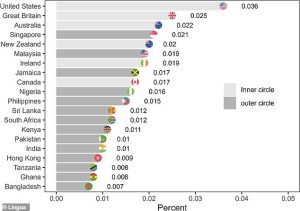
Out of 20 global countries, Brits are the second-most prolific swearers in the world, behind only the United States but ahead of Australia. However, swearing rates in the UK have fallen by a quarter since the 1990s

Swearing in Decline But Not Disappearing

Dr Robbie Love, a swearing expert from Aston University, told the Daily Mail: “There is nothing unusual about this development since taboo language has always followed along with broader social values.”

His research confirms swearing frequency has dropped by 27.6% since 1994, from 1,822 to 1,320 swear words per million. However, Dr Love emphasizes that “swearing is not falling out of fashion—it has existed for a very long time and performs a range of functions. The words that people count as swearing change over time.”

Latest

Thailand Early Election: Political Crisis Amid Flood Disaster

Prime Minister Anutin faces early dissolution pressure as southern floods and opposition threats create perfect political storm for Thailand's economy.

Christmas Tree Pests: How to Keep Insects Out of Your Home

Expert tips to prevent spiders, beetles and aphids from hitching a ride on your Christmas tree. Simple methods for pest-free holiday celebrations.

Small Town India’s Dining Boom: 34% Surge in Eating Out

Tier-II cities drive restaurant growth with lower costs and faster returns. Discover how Indore, Meerut and Kasauli are reshaping India's dining landscape.

Parasocial Named 2025 Word of the Year: Understanding Digital Relationships

Cambridge Dictionary declares 'parasocial' as 2025 Word of the Year, exploring one-sided emotional connections with celebrities and influencers in digital age.

MariBank CFO Reveals How Small Spending Fuels Big Financial Goals

MariBank CFO Kevan Chow shares how spending on small luxuries maintains motivation while building wealth through balanced investing and calculated risks.

Topics

Elon Musk Shares OpenAI President’s Files, Alleges Fraud Conspiracy

Elon Musk releases internal OpenAI documents, accusing leadership of a 'conspiracy to commit fraud' in an escalating legal and public feud.

Japan Investigates Elon Musk’s Grok AI, Warns Social Media Firms

Japan launches probe into Grok AI's data and content practices, issuing a compliance warning to all social media companies in a major regulatory move.

Trump Threatened Denmark with Tariffs Over Greenland Purchase Bid

Donald Trump reveals he considered tariffs and reduced protection to pressure Denmark into selling strategic Greenland, citing Russian and Chinese threats.

Putin Warns of ‘Catastrophic’ War in Calls with Israel, Iran Leaders

Russian President urges Netanyahu and Pezeshkian to de-escalate tensions, warning further conflict could lead to catastrophic violence across the Middle East.

RIL Q3 Profit Rises 11% to ₹19,641 Crore, Beats Estimates

Reliance Industries posts strong Q3 results with profit up 10.9%, EBITDA growth of 16.7%, and robust performance across all business segments.

Budget 2026: Education Sector Demands Focus on Skills and Jobs

Industry and academia seek higher funding for skill development, NEP implementation, and tax incentives in the upcoming Union Budget to boost employability.

Mumbai Voter Turnout Hits 32-Year High in Lok Sabha Elections

Mumbai recorded 55.38% voter turnout in 2024 Lok Sabha polls, its second-highest in 32 years. Analysis reveals what drove the surge and what it means for the city's civic engagement.

Indian Scientists Uncover Cell’s Life-or-Death Decision Mechanism

Breakthrough research reveals how cells choose survival or self-destruction under stress, opening new paths to treat cancer, heart attacks, and Alzheimer's.
spot_img

Related Articles

Popular Categories

spot_imgspot_img