
Let’s be real for a second—how many half-empty shampoo bottles are currently sitting in your bathroom cabinet? You know the ones. You bought them because the label promised “perfect curls” or “sleek straight hair,” but after two washes, your hair felt like straw or a greaseball. We have all been shopping wrong. While we obsess over whether our hair is 4C, wavy, or straight, trichologists (that’s the fancy term for hair scientists) say we are missing the point. The most critical factor isn’t your curl pattern—it’s your Hair Porosity. Think of porosity as your hair’s “thirst level. ” It decides how your hair drinks up moisture and, more importantly, whether it can actually keep it. If you don’t know your porosity, you are essentially driving blind.
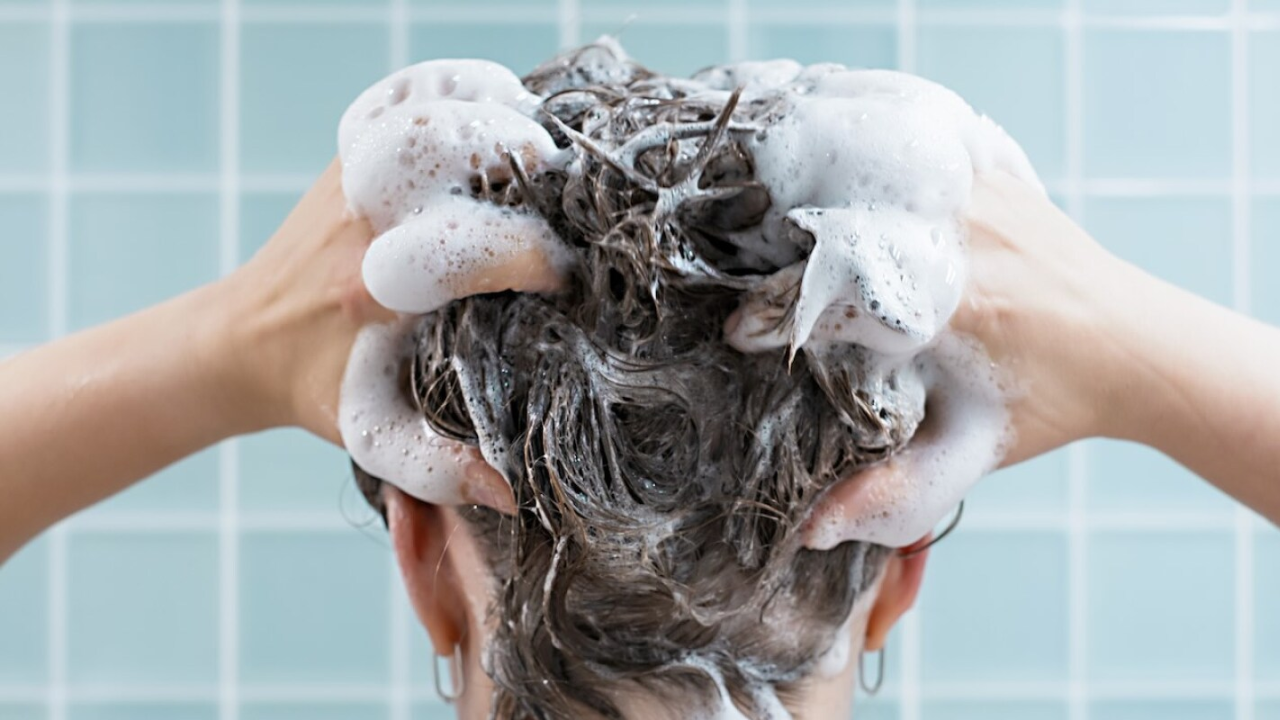
Picture your hair strand like a roof covered in shingles. This outer layer is called the cuticle.
● If the shingles are clamped down tight, nothing gets in.
● If the shingles are wide open or missing, moisture floods in but rushes right back out. Depending on how your “shingles” behave, you likely fall into one of two camps.
Does water just bead up on your hair in the shower? Do you feel like expensive oils just sit on top of your head, making you greasy instead of moisturized? Welcome to the Low Porosity club. Your hair cuticles are packed so tightly that moisture literally cannot penetrate. It’s “hard to get” hair. The Signs:
● It takes forever to get your hair fully wet.
● Air drying is a nightmare—your hair is still damp 5 hours later.
● Thick butters (like Shea) make your hair feel heavy and gross.
The Fix: You need heat. Heat is the key that unlocks the door. Use a steam cap or a warm towel when you condition to lift those cuticles.
Also, stop using heavy butters. Your best friends are humectants like Glycerin, Honey, and Aloe Vera. And please, clarify your hair once a month; product buildup is your worst enemy.
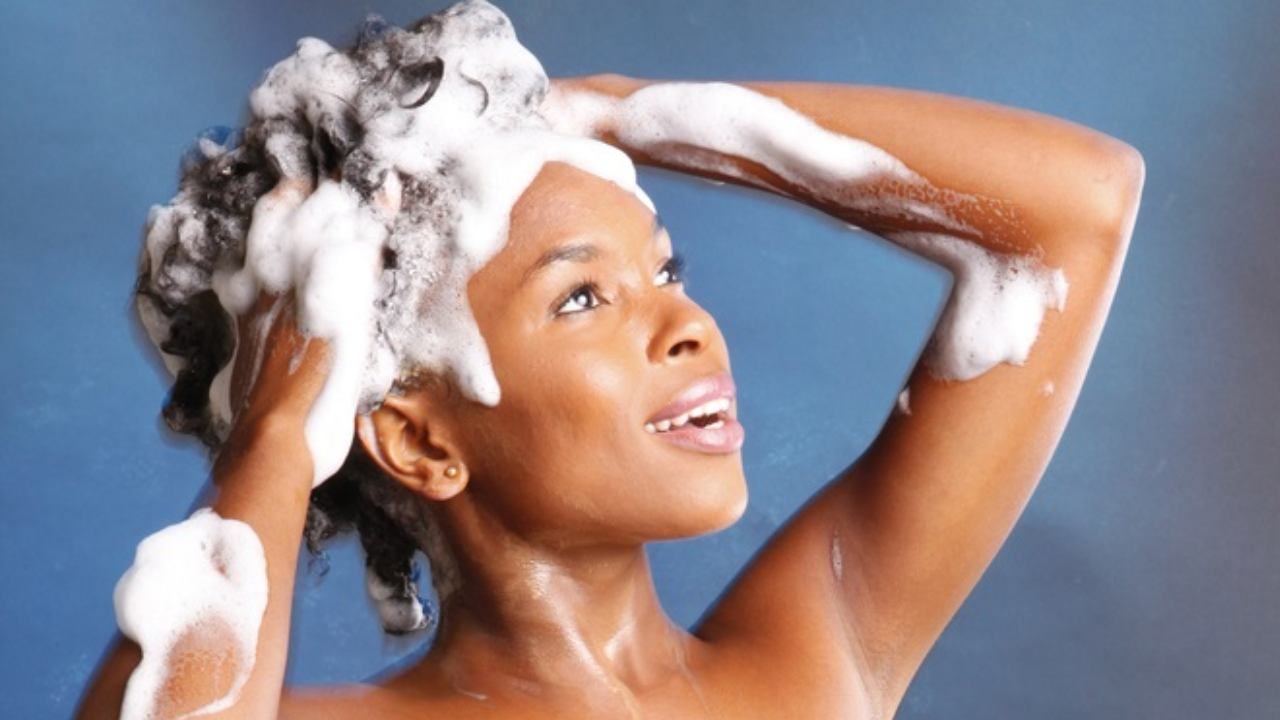
On the flip side, we have High Porosity hair. This hair type has gaps and holes in the cuticle layer—often from heat damage, bleaching, or just genetics. It drinks water instantly, but because the “shingles” are open, it loses that moisture just as fast. The Signs:
● Your hair gets wet the second water touches it.
● It dries incredibly fast (sometimes in under an hour).
● It’s prone to frizz, tangles, and looking dull/matte.
The Fix: Your goal is to seal the deal. Since your hair can’t hold moisture on its own, you have to do it manually. Follow the LOC Method (Liquid, Oil, Cream). You actually need those heavy sealants like Castor Oil or Shea Butter to act as a barrier. Also, look for protein treatments (wheat, silk, keratin)—they help patch up the holes in your cuticle structure.
Forget the “float test” (where you put hair in a glass of water)—it’s often wrong because of oil or surface tension.
Try the Spray Bottle Test instead. Take a section of clean, dry hair and mist it with water.
● Beads up? You’re Low Porosity.
● Soaks in instantly? You’re High Porosity.
Stop looking at the front of the shampoo bottle for “Curly” or “Straight.” Turn it around and look at the ingredients. If you’re Low Porosity, hunt for water-based hydration. If you’re High Porosity, hunt for protein and heavy sealants. Your wallet (and your hair) will thank you.