Have you ever wondered which Indian city is known for being unusually quiet, even in traffic? The answer is Aizawl, the capital and largest city of Mizoram. It is not a city with empty streets.
It is a busy hill capital where traffic rules, public discipline and a strong no-honking culture have given it a rare identity. In a country where traffic noise is usually part of daily life, Aizawl stands out for a very different reason.
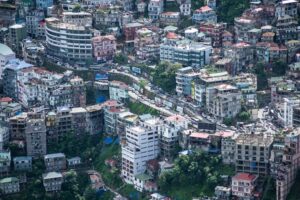
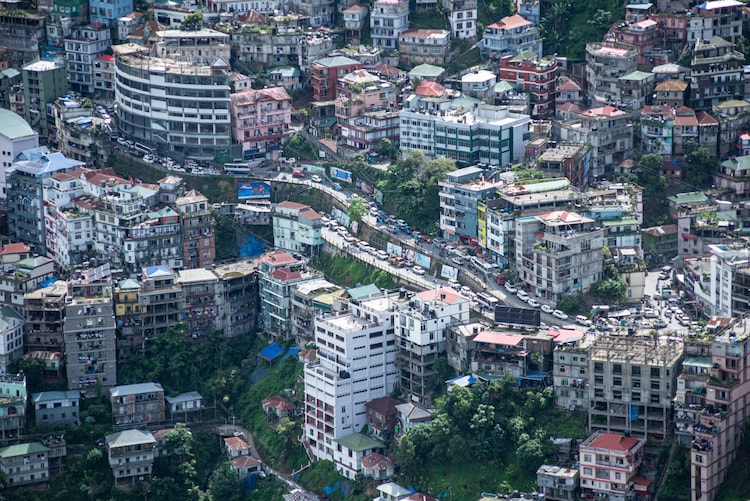
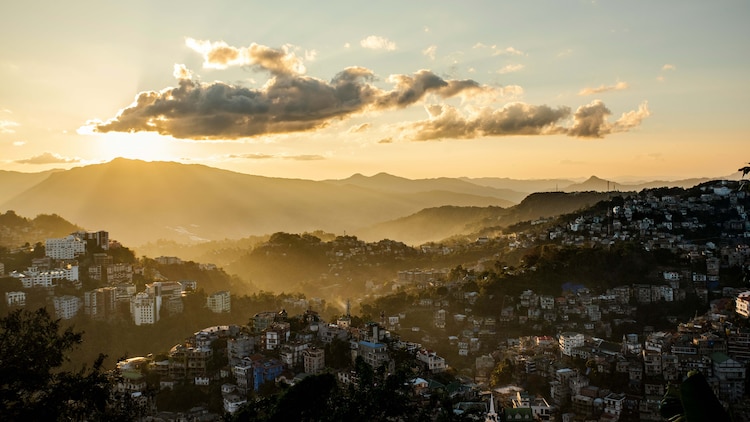
Set on a ridge about 1,132 metres above sea level, Aizawl looks over the Tlawng river valley on one side and the Tuirial river valley on the other. It is the largest city in Mizoram and also the state capital.
The hill setting has shaped how the city grows, how roads are built and how people move through it every day.
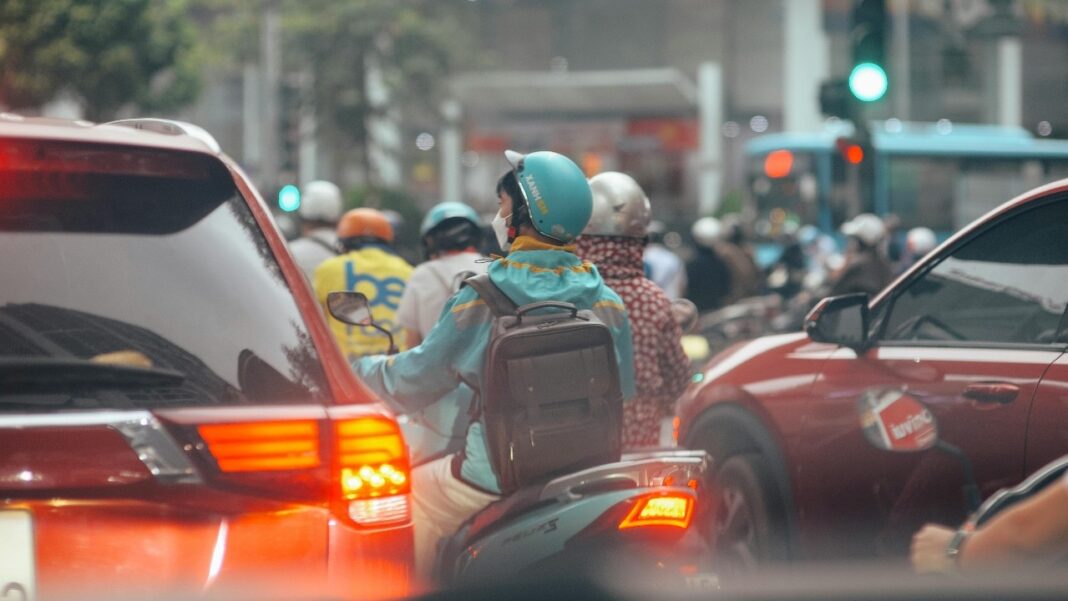
What makes Aizawl especially unusual is that its calm traffic is not just a slogan. Over the years, the city developed a strong no-honking culture, and it is now popularly known as the No Honking City.
Traffic discipline, public awareness and strict action against violations have helped keep the streets far quieter than most Indian cities.
WHY IS AIZAWL CALLED THE SILENT CITY?
The nickname comes from everyday behaviour.
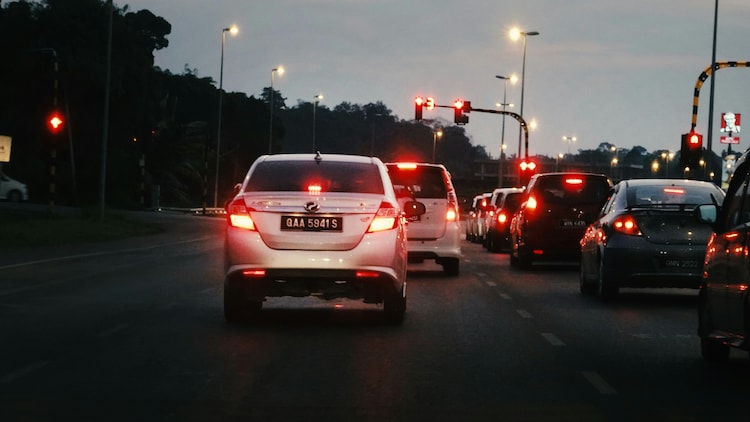
Drivers in Aizawl generally wait their turn instead of pressing the horn at every small delay. Honking is seen as rude, and that social habit has become part of the city’s identity.
The result is a city that feels calmer even when traffic is moving slowly.
The city’s traffic system has also been supported by awareness drives and enforcement. Schoolchildren, drivers and residents are regularly reminded about road discipline, while e-challan systems and traffic wardens help manage violations.
Aizawl’s reputation did not appear overnight; it grew from repeated public effort and a shared sense of civic order.
WHAT MAKES THE CITY DIFFERENT FROM OTHER INDIAN CITIES?
Aizawl is the political, commercial, educational and cultural centre of Mizoram. That means it is busy, active and constantly growing.
But unlike many larger Indian cities, its urban life has been shaped by restraint rather than chaos. Even with a rising population and narrow hill roads, the city has managed to keep a more disciplined traffic culture.
The city’s setting adds to that identity. Located north of the Tropic of Cancer, Aizawl enjoys a cooler climate than many Indian cities, with mild summers and winters.
Its hillside layout also means people are used to slower movement, careful driving and shared road space. These conditions have helped the no-honking habit take root.
WHY DOES THE NAME STILL MATTER TODAY?
Aizawl’s Silent City image has become a point of pride for Mizoram.
It tells visitors that a city can be modern, busy and growing without being loud and stressful. The same streets that carry government offices, schools and shops also reflect a civic culture built on order and mutual respect.
That is why Aizawl is remembered not just as Mizoram’s capital, but as one of India’s most unusual cities: a place where honking is rare, discipline is visible, and silence has become part of its identity.