Editor’s note: This is a two-part weekend history series exploring the unexpected relationship between conflict and cuisine. Part 1 examines the foods that were created or popularised during wars. Part 2, which will follow soon, will explore how wars changed the way we cook, from fuel-saving haybox cookers to improvised trench stoves used by soldiers…
In the past few weeks, as tensions around Iran have rattled global energy markets, conversations about cooking fuel have quietly returned to Indian households. Concerns about LPG prices and supply disruptions have pushed many families to rediscover induction cooktops and electric stoves, modern reminders that the stability of a kitchen often depends on events unfolding far beyond it.
History tells us something even more striking, that wars do not merely disrupt kitchens temporarily, they often permanently change what we eat (and also how we eat).
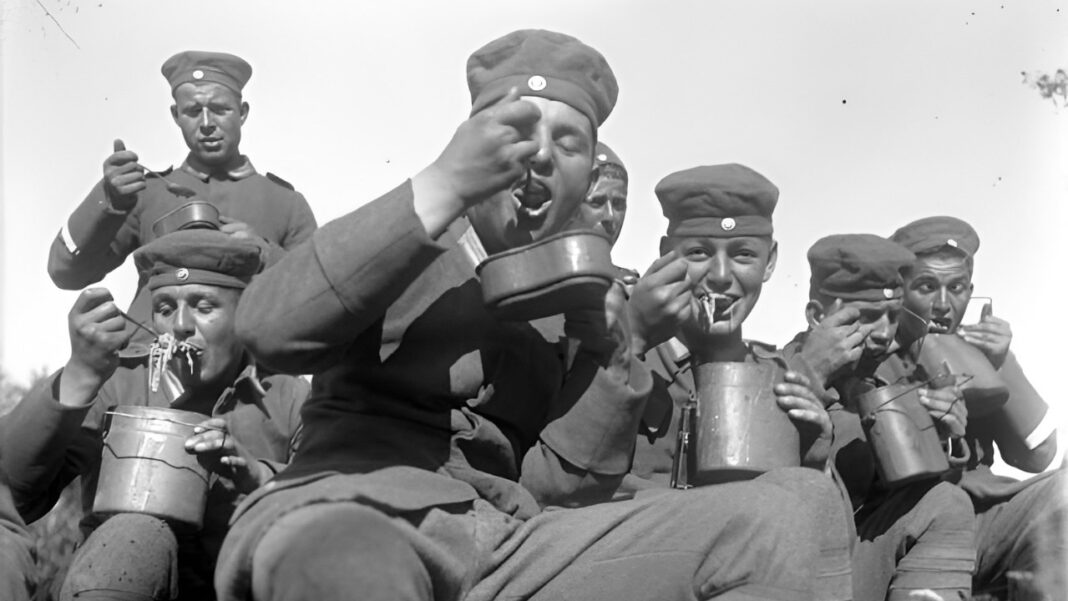
Many foods we now consider ordinary supermarket staples were born out of wartime necessity. They were designed for soldiers who needed meals that could travel long distances, survive months of storage, and be prepared quickly under difficult conditions.
From canned food and instant coffee to condensed milk and processed meat, the modern pantry owes more to battlefields than most people realise.
FEEDING THE ARMY: THE BIRTH OF CANNED FOODS
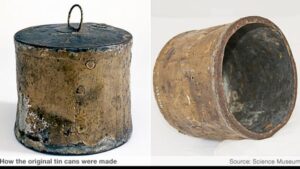
The modern story of wartime food innovation begins in the early nineteenth century with a military challenge. In 1795, the French government offered a prize for anyone who could invent a reliable method of preserving food for Napoleon Bonaparte’s armies marching across Europe. Long military campaigns demanded provisions that could last months without spoiling.
A Parisian confectioner, Nicolas Appert, solved the problem by sealing food in airtight containers and heating them to prevent spoilage. His technique, which was later known as appertisation, became the foundation of what we call “modern food canning”.
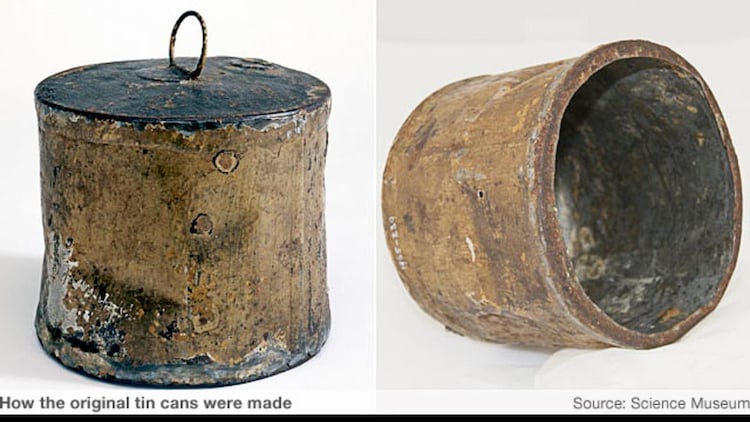
Food historian Rachel Laudan notes in her book ‘Cuisine and Empire’, that the development of canning “transformed the logistics of feeding armies and eventually reshaped everyday eating.”
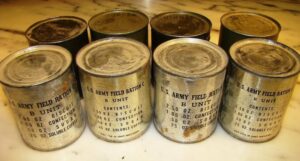
By the mid-19th century, canned meat, vegetables and soups had become standard military rations. British soldiers during the Boer War and World War I, for example, were famously issued a canned stew known as Maconochie, a mix of beef and vegetables that became synonymous with trench life.
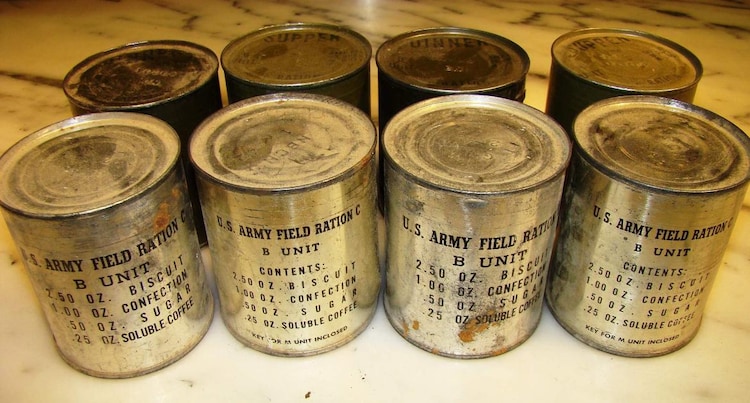
What began as a solution for soldiers gradually migrated into civilian life. Today, supermarket shelves lined with canned beans, tuna and tomatoes are quiet descendants of that wartime innovation.
ERSATZ COFFEE: THE ART OF WARTIME SUBSTITUTION
Wars do not just create new foods; they also create substitutes when familiar ones disappear. During both World Wars, European supply chains collapsed under blockades and trade disruptions. Coffee imports became scarce, forcing people to improvise.
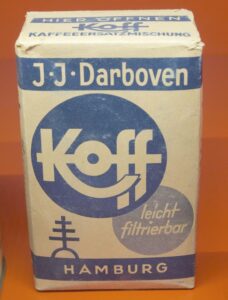
In Germany and other parts of Europe, roasted chicory, barley, acorns and beetroot were brewed as coffee substitutes. These beverages were collectively known as ersatz coffee, from the German word ersatz, meaning replacement.
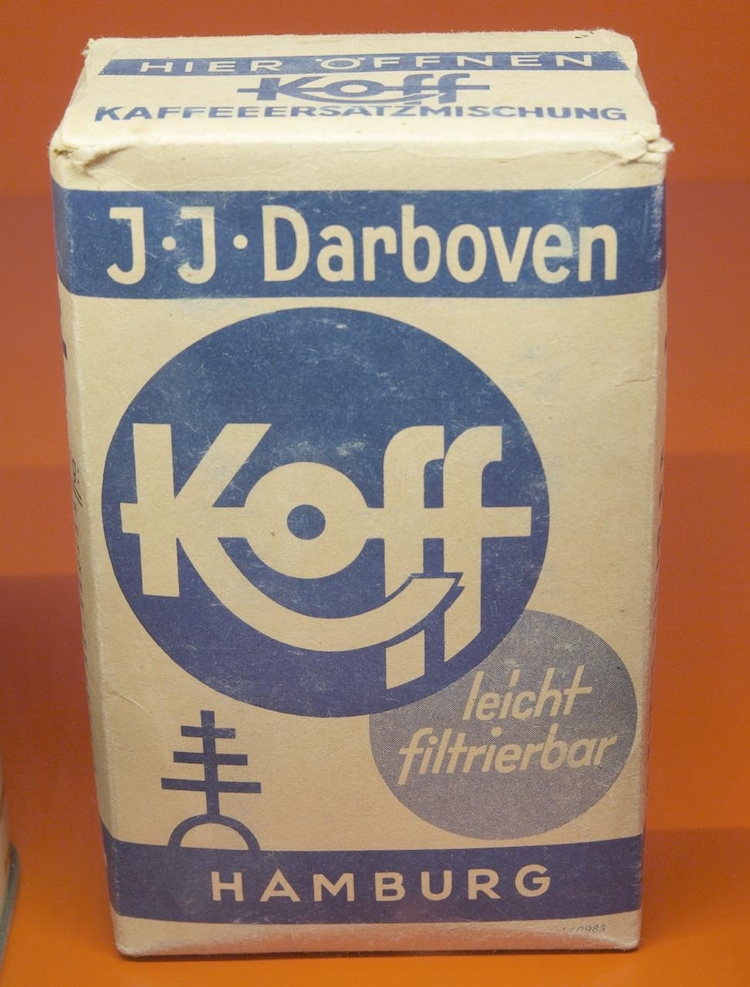
Food historian Lizzie Collingham writes in ‘The Taste of War’ that shortages during World War II pushed civilians to develop elaborate systems of food substitutes that mimicked the taste of unavailable products.
While many substitutes vanished once normal trade resumed, some developed lasting cultural roots. Chicory coffee, once a wartime improvisation, remains popular in parts of Europe and the United States even today.
What began as scarcity slowly became tradition.
INSTANT COFFEE, A DRINK SHAPED BY WAR
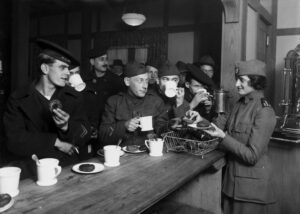
Few morning routines carry a clearer wartime legacy than your regular instant cup of coffee. Although early versions existed before the twentieth century, World War I dramatically accelerated the demand for instant coffee. Soldiers in trenches needed caffeine that could be prepared quickly and carried easily.
The US military purchased large quantities for troops overseas, helping transform instant coffee into a mass-produced commodity. By World War II, it had become a standard component of soldiers’ rations.
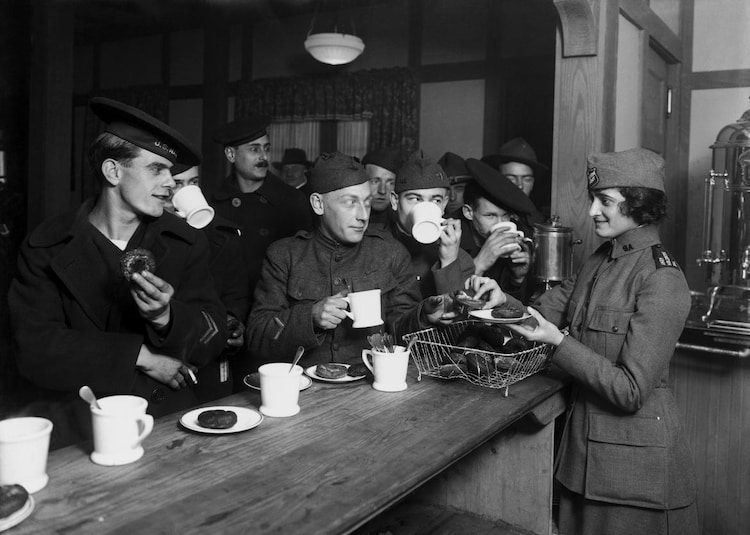
Once the war ended, technology, and of course, the habit, followed soldiers home. As historian Anastacia Marx de Salcedo writes in ‘Combat-Ready Kitchen’, many foods developed for military efficiency later became staples of civilian convenience culture. According to her, the “hurried coffee rituals of modern urban life still echo the logistical needs of soldiers on the battlefield.”
SPAM? NOT WHAT YOU THINK!
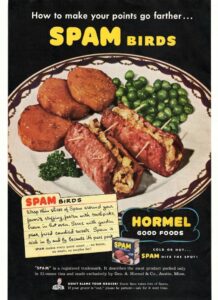
If one product symbolises the marriage of war and food engineering, it is Spam! Introduced in 1937 by Hormel Foods, the canned pork product became indispensable during World War II, when fresh meat was difficult to transport to distant battlefronts. More than 150 million pounds were supplied to Allied troops.

For many soldiers, Spam became both a staple and a running joke about repetitive military rations. But its global journey did not end when the war did.
In places such as Hawaii, South Korea and the Philippines, regions deeply shaped by the wartime presence of American forces, Spam eventually entered local cuisines. Today, it appears in dishes ranging from Korean stews to Hawaiian musubi.
A wartime ration had quietly become a cultural ingredient.
CONDENSED MILK: WAR’S IMPACT ON DAIRY
Long before the world wars, another conflict had already reshaped the dairy aisle. Condensed milk, developed in the mid-19th century by American inventor Gail Borden, gained widespread popularity during the American Civil War, when armies needed safe and long-lasting milk supplies for soldiers.
Once troops returned home, condensed milk quickly became part of everyday cooking. Food historians note that its long shelf life and sweetness make it particularly attractive in baking and desserts. Today, it remains a central ingredient in sweets across the world, from Latin American desserts to Indian mithai.
What began as a battlefield necessity eventually became a culinary comfort.
YES, WAR CREATED THE MODERN PANTRY
Beyond individual foods, wars also accelerated the science of food preservation and industrial processing. Military research in the twentieth century drove innovations in dehydration, freezing and packaging, technologies designed to feed soldiers under extreme conditions.
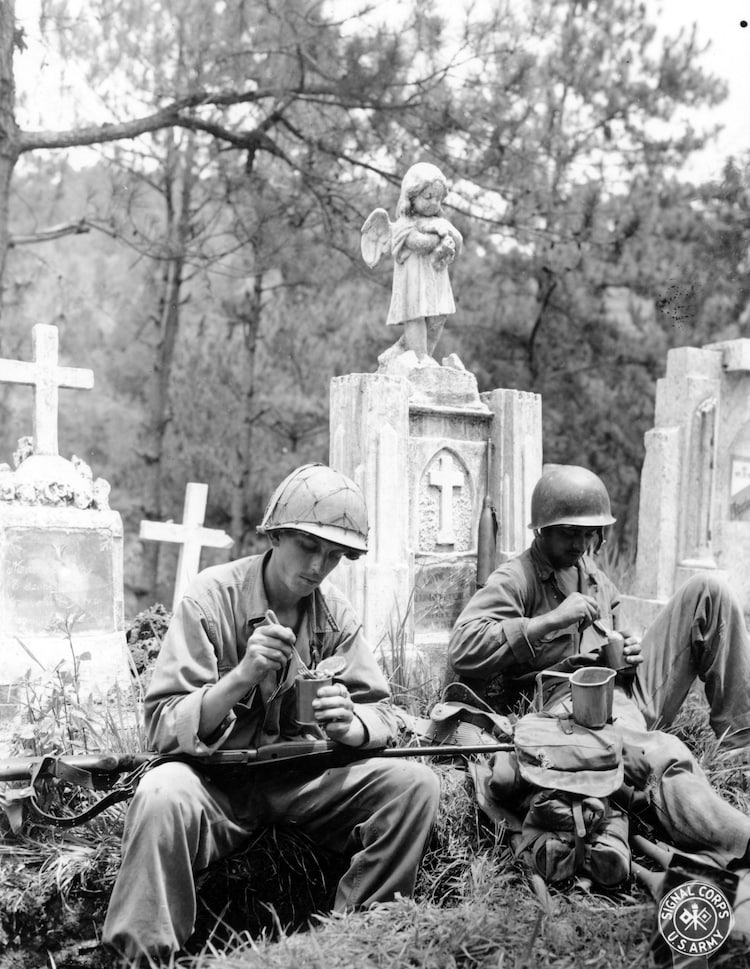
According to research cited by the US National WWII Museum and food historian Anastacia Marx de Salcedo, many innovations in processed foods, from powdered eggs to shelf-stable juices, were refined during wartime supply efforts. Once peace returned, those same technologies reshaped civilian eating habits, giving rise to the convenience-driven food culture that defines the modern supermarket.
Wars are usually remembered through maps and battlefields, yet their influence often survives in far subtler places. Today, as geopolitical tensions once again ripple through energy markets and households rethink how they cook amid LPG concerns, history offers a gentle reminder that conflict rarely stays confined to battlefields. Eventually, it finds its way to the kitchen.
Coming Next: Part 2
How wars changed the way we cook: If wars transformed what we eat, they also reshaped how food is cooked. The second part of this series will explore ingenious wartime cooking methods, from the fuel-saving haybox cooker, which could cook food using retained heat, to improvised trench stoves known as Tommy cookers used by soldiers during World War I.
Because when resources run short and supply lines fail, humanity’s oldest instinct takes over where we invent our way back to dinner.
Watch this space!