11.1 C
Delhi
Wednesday, February 4, 2026

UGC’s New 2026 Anti-Discrimination Rules: Stricter Penalties, Deadlines

The University Grants Commission (UGC) has introduced stricter anti-discrimination rules for colleges and universities, replacing the 2012 framework. The new ‘UGC Equity and Non-Discrimination Regulations, 2026’ mandate faster redressal, broader protections, and stronger penalties, responding to a sharp 118% rise in caste discrimination complaints.

Key Takeaways

  • New rules expand protected categories to include gender identity, sexual orientation, and economic background.
  • A multi-member Equity Committee must meet within 24 hours of a complaint.
  • Entire redressal process must conclude within 45 days, a major shift from the old rules which had no deadlines.
  • Annual sensitisation training for all campus members is now mandatory.
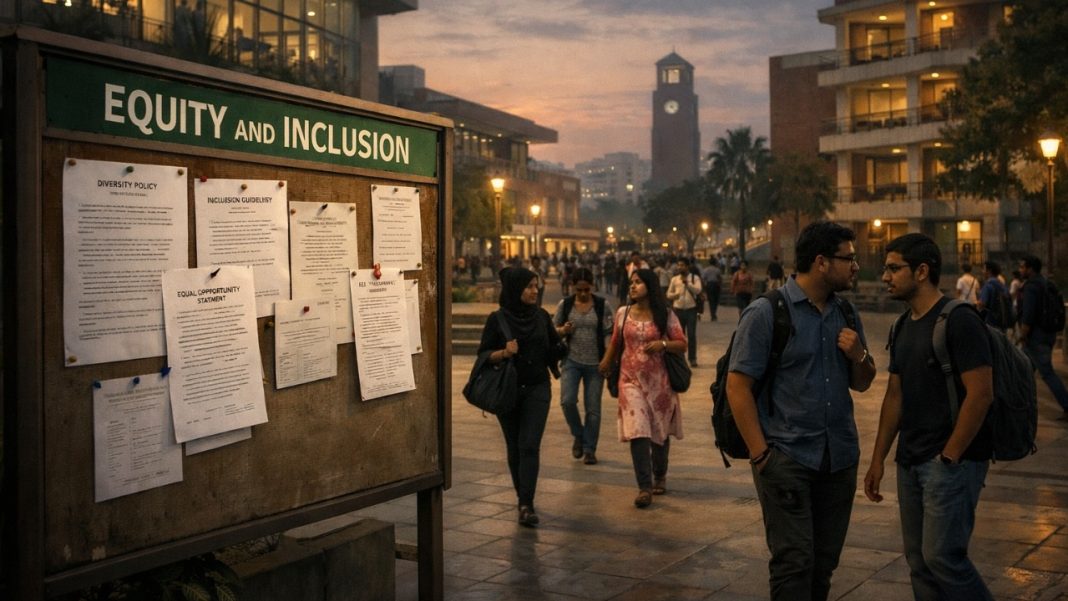
Caste discrimination complaints in higher education institutes increased by 118.4% -- from 173 cases in 2019–20 to 378 in 2023–24. (Representative, AI-generated image)

Parliamentary data shows complaints jumped from 173 in 2019-20 to 378 in 2023-24. The regulations, effective from the 2026-27 academic year, aim to close enforcement gaps.

Major Upgrades in the 2026 UGC Regulations

1. Broader Definition of Discrimination

The scope now explicitly covers gender identity, sexual orientation, nationality, and social or economic background. Prohibited acts include segregation in hostels, denial of facilities, and public humiliation.

2. From Single Officer to Full Committee

Instead of one Anti-Discrimination Officer, each institution must form an Equity Committee chaired by its head (VC/Principal). It includes faculty, staff, student reps, and external experts from marginalised communities.

The 2026 UGC equity regulations have moved enforcement responsibility from a single Anti-Discrimination Officer to a full-fledged institutionall team with tight reporting and enforcement deadlines (AI-generated image)

3. Strict 45-Day Redressal Timeline

This is a critical change from the 2012 rules which had no deadlines.

  • 24 hours: Equity Committee must meet after complaint.
  • 15 working days: Committee submits report to head.
  • 7 days: Institution must act on recommendations.
  • 45 days total: Maximum time for entire process.

4. Mandatory Training & Annual Reporting

All students, faculty, and staff must undergo annual sensitisation. Institutions must also submit detailed annual compliance reports to the UGC.

Safeguards and Penalties Under New Rules

The framework introduces several protective measures:

  • Anti-victimisation clause: Harassing complainants or witnesses is a separate offence.
  • Interim relief: Committee can order measures like restraining the accused during inquiry.
  • Graded penalties: Ranging from counselling and apology to expulsion for students, termination for staff, and even derecognition of the institution.
  • Anonymous complaints: Can be inquired into if they contain verifiable details.
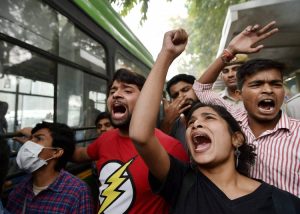
Opposition to the regulations emerged almost immediately after notification, with physical and online protests erupting across India (Representative image: PTI)

Criticisms and Implementation Challenges

Despite the intent, the regulations face significant pushback.

Practical Feasibility Concerns

University administrators call the 24-hour meeting rule impractical for large campuses, fearing procedural failures.

Fear of Misuse and Vague Definitions

Critics warn broad terms like “social boycott” or “derogatory remarks” are subjective and could be weaponised for personal vendettas, stifling academic debate.

Widespread Protests

Sections of faculty and students have protested, calling the rules “draconian” and an infringement on freedom of speech and association.

As per the new UGC anti-discrimination rules, a multi-member Equity Committee, chaired by the head of the institution must meet within 24 hours of receiving a complaint, submit a report within 15 working days, and the institution must act within seven days (AI-generated image)

Historical Implementation Failure

The 2012 rules were poorly implemented, with many institutions not appointing the required officer. Skeptics doubt the more complex 2026 system will succeed without more resources and political will.

The Road Ahead for Campus Equity

The UGC’s 2026 regulations mark a serious attempt to tackle rising discrimination. The committee-based model with tight deadlines shows intent. However, balancing prevention of discrimination with fair procedure remains a challenge.

Success from the 2026-27 session will depend on clear implementation guidelines, adequate institutional support, and continuous feedback. The rules are likely to evolve through judicial review and on-ground experience.


Protests against the regulations have taken multiple forms, ranging from campus demonstrations and street rallies to hunger strike announcements, resignations from institutional bodies, and sustained online mobilisation (AI-generated image)

Latest

JEE Mains Practice Tests Now Available on Google Gemini AI

Engineering aspirants can now take JEE Mains mock tests on Google's Gemini AI platform. Learn how to access interactive Physics, Chemistry, and Math practice questions.

Supreme Court Stays UGC’s 40% Women Faculty Quota Regulations

Supreme Court puts hold on UGC's 2024 rules for 40% women faculty quota, citing risk of misuse and excessive delegation. Details on the legal challenge.

Supreme Court to Hear Petitions Against New UGC Regulations on Monday

CJI-led bench to hear challenges to UGC rules allowing biannual admissions & foreign campuses. Petitioners fear commercialisation of education.

Google Gemini AI Now Offers JEE Prep Tests for IIT Aspirants

Google launches JEE preparation tests within Gemini AI to help students practice and improve performance for IIT entrance exams. Available in English and Hindi.

EU to Open First Legal Gateway Office in Hyderabad for Indian Talent

The EU's new Hyderabad office will be a one-stop centre for Indian students & professionals seeking visas, job, and study opportunities in Europe from 2026.

Topics

Saif al-Islam Gaddafi, Gaddafi’s Son, Killed in Libya Attack

Saif al-Islam Gaddafi, the son and heir of former Libyan leader Muammar Gaddafi, has been killed in an armed attack in Sirte, raising fears of renewed instability.

Venezuela: Mass Rally in Caracas Demands Maduro’s Release

Thousands protest arrest of President Maduro and First Lady on treason charges, as US and EU call for their release amid fears of deeper instability.

Jaishankar, US Senator Rubio Discuss Critical Minerals and Nuclear Ties

S. Jaishankar met Marco Rubio, Antony Blinken, and Jake Sullivan in Washington, focusing on strategic cooperation in energy, minerals, and global issues.

US Shoots Down Iranian Drone in Arabian Sea Amid Rising Tensions

US forces down an Iranian drone deemed an imminent threat, escalating regional tensions linked to Houthi attacks on shipping and US-UK retaliatory strikes.

US House Votes to End Government Shutdown, Extends DHS Funding

The US House passes a bill to end the partial government shutdown, providing relief to 800,000 federal employees and extending Homeland Security funding.

India, US Strengthen Ties via Quad, Welcome Aviation Deal Progress

Jaishankar and Blinken commit to enhanced strategic partnership, welcome progress on a new commercial aviation deal during high-level talks in Washington.

China Bans Hidden Car Door Handles Over Safety Concerns

China mandates visible car door handles from 2025 after rescue crews struggled with hidden handles during accidents. Major EV makers affected.

New START Treaty Ends: US-Russia Nuclear Pact Expires, Raising Global Fears

The last nuclear arms treaty between the US and Russia has lapsed, creating a dangerous vacuum and increasing risks of a new arms race. Learn the implications for global security.
spot_img

Related Articles

Popular Categories

spot_imgspot_img