
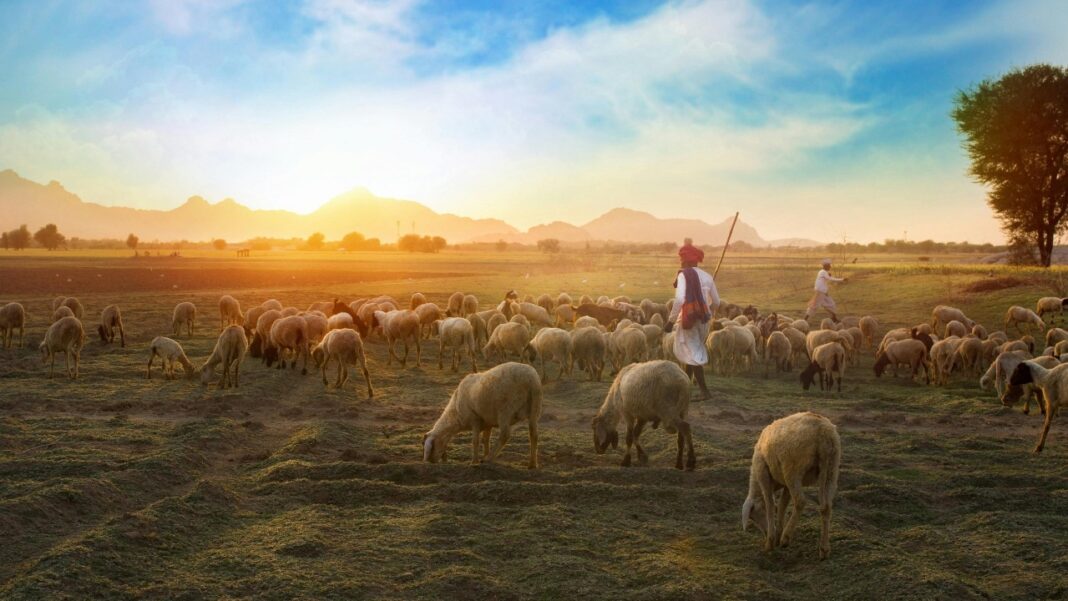
Summers are approaching, and India’s hottest state has an answer. Not an air conditioner, not a cooler, not even the usual quick fixes sold in markets. The answer lies in a quiet system that has existed for centuries, Orans.
These are not modern solutions. They are community-held landscapes where vegetation, water, and belief come together to reduce heat and sustain life. In a region defined by scarcity,
Orans function as natural regulators, holding moisture, supporting biodiversity, and offering relief without machines.
Deep inside Rajasthan’s dry terrain, Orans appear as patches of green. But they are not accidental forests. They are protected spaces, often linked to local deities, where cutting trees or harming animals is restricted by tradition.
Each Oran works like a small ecological unit. Vegetation helps retain soil moisture. Trees such as khejri improve soil quality and provide shade.
Many Orans also include small water bodies, which become critical during peak summer months. These features create local conditions where heat is less intense than the surrounding desert.
WHAT MAKES ORANS WORK
- Moisture retention: Vegetation reduces evaporation and keeps soil stable
- Water presence: Small ponds or tanks support life through dry months
- Temperature control: Shaded zones remain cooler than open desert
- Biodiversity support: Acts as refuge for animals and migratory birds
- Soil improvement: Native trees like khejri help maintain fertility
The role of Orans becomes clearer when compared to the larger geography of Rajasthan. The state faces extreme heat, low rainfall, and frequent droughts. In such conditions, survival depends on managing limited resources. Orans offer that balance. They store water, support grazing, and provide space for wildlife.
For local communities, Orans are not separate from daily life. They provide fodder, medicinal plants, and access to water. In return, communities act as custodians. This relationship continues through practice rather than formal law.
WHY ORANS MATTER TO PEOPLE
- Livelihood support: Fodder and forest produce sustain rural households
- Water access: Shared sources reduce stress during peak summer
- Cultural link: Sacred value prevents overuse and damage
- Community control: Locals manage and protect these spaces
- However, this system is under pressure.
As Rajasthan expands its infrastructure, roads, energy projects, and urban spaces, many Orans are shrinking. Land once protected by tradition is being repurposed. In some areas, power lines linked to renewable energy projects have created new risks for birds.
Climate patterns are also shifting. Rainfall is becoming uneven, and water bodies inside Orans are drying faster. This affects both wildlife and people who depend on these ecosystems.
WHAT ARE THE BIGGEST THREATS TO ORANS?
- Encroachment: Land diversion for construction and agriculture
- Infrastructure projects: Power lines affecting bird movement
- Changing land value: Shift from cultural to economic use
- Climate stress: Reduced and irregular rainfall
What makes Orans significant is not just their function, but their method. They show that environmental management can exist without heavy systems or technology. In Rajasthan, communities created a working model that still holds relevance.
The question now is whether this model can continue alongside modern development.
Orans are not new solutions. They are existing systems. The challenge is to ensure they remain part of Rajasthan’s future, not just its past.


