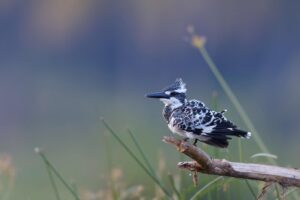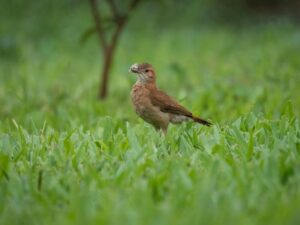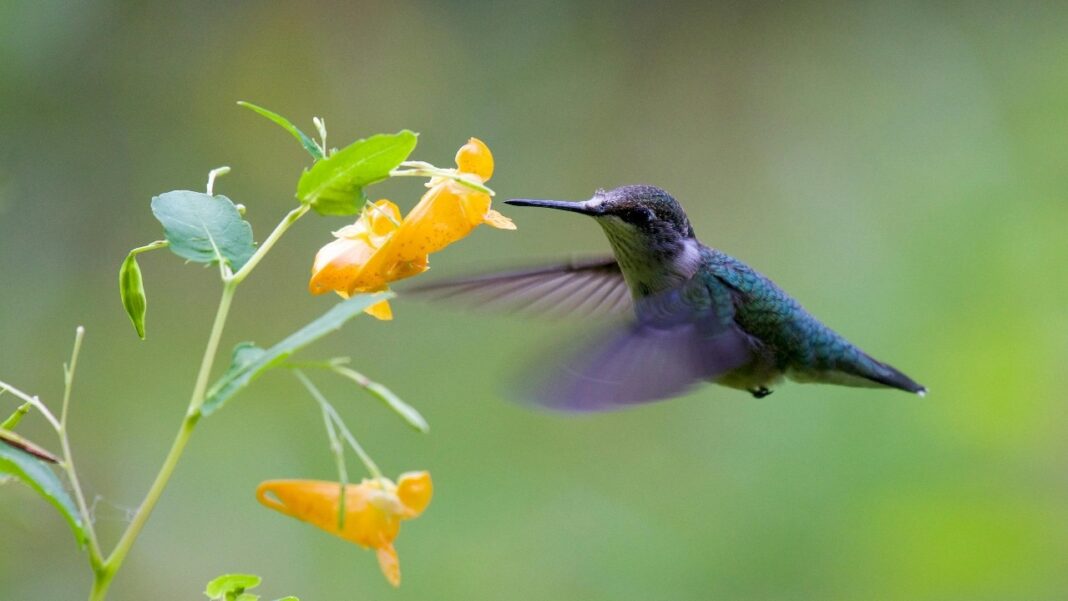
Ever wondered which continent is often called the Bird Continent? The answer lies in a region bursting with colour, sound, and unmatched biodiversity – South America. With more than 3,000 bird species and vast natural ecosystems, this continent has earned its unique nickname.
The Earth is divided into seven continents: Asia, Africa, North America, South America, Antarctica, Europe, and Australia, each known for its own distinct features.
While Africa is often referred to as the Mother Continent and Antarctica as the White Continent, South America stands apart for its extraordinary bird diversity.
Across this continent, the skies are alive with movement and melody. From early morning to sunset, forests and river basins echo with bird calls, as thousands of species thrive in varied landscapes from dense jungles to mountainous terrains. This remarkable richness has made South America the global hub of avian life.
At the centre of this biodiversity lies the Amazon Rainforest, the largest tropical rainforest on Earth.
This vast ecosystem provides ideal conditions for thousands of bird species to survive and flourish. Its layered vegetation and varied habitats allow different species to coexist without competing for the same resources.
Together, these factors make South America a true paradise for birdlife, justifying its title as the Bird Continent.
The correct answer is South America, widely recognised for having the richest bird diversity in the world.
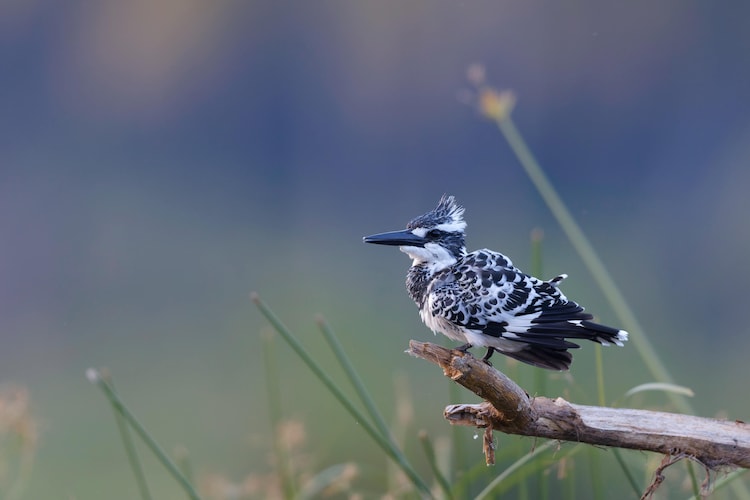
WHY IS SOUTH AMERICA CALLED THE BIRD CONTINENT?
South America has earned this title due to its unmatched avian biodiversity. According to data compiled by global conservation organisations like BirdLife International and documented by Guinness World Records, the continent is home to over 3,500 bird species, accounting for nearly one-third of the world’s total bird population.
This makes it the continent with the highest number of bird species globally, surpassing even larger landmasses.
SCIENTIFIC AND ECOLOGICAL BASIS BEHIND THE RICH BIRD DIVERSITY
Research and biodiversity assessments, including those by agencies like the U.S. Geological Survey, highlight that regions with high ecological variation tend to support greater species diversity.
South America stands out due to:
- Tropical climate zones near the equator, which promote rapid species evolution
- Diverse ecosystems, including the Amazon rainforest, Andes mountains, wetlands, and grasslands
- Geographical isolation in the past, which allowed unique species to evolve independently
Scientific studies also note that species formation (speciation) has been particularly high in equatorial regions like South America, contributing to its exceptional biodiversity.
HIGH NUMBER OF ENDEMIC BIRD SPECIES
One of the most striking features of South America’s birdlife is its high level of endemism species found nowhere else in the world.
- Over 2,500 bird species are endemic to the continent
- Entire bird families are unique to this region
- This makes South America not just rich in numbers, but also unique in composition, strengthening its identity as the “Bird Continent.”
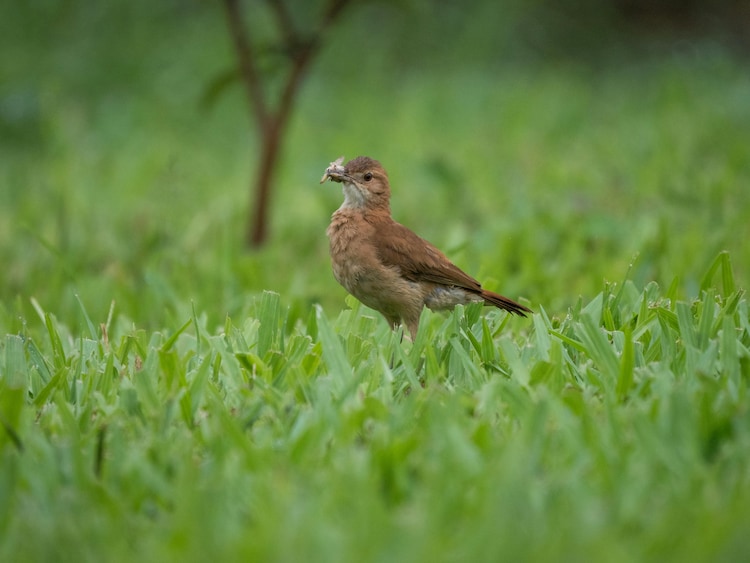
COUNTRIES LEADING IN BIRD DIVERSITY
Within South America, certain countries rank among the most bird-rich in the world:
- Colombia – highest number of bird species globally
- Peru and Brazil – close contenders with extremely high diversity
These countries benefit from overlapping ecosystems such as rainforests and mountain ranges, which support varied bird habitats.
A GLOBAL HUB FOR BIRD CONSERVATION
South America is also central to global bird conservation efforts. Organisations like the American Bird Conservancy work across the region to protect habitats supporting thousands of bird species, including rare and endangered ones.
Large-scale conservation programmes have already helped protect millions of acres of bird habitats, highlighting the ecological importance of the continent.
In conclusion, South America is called the “Bird Continent” because it hosts the highest number of bird species on Earth, supported by its rich ecosystems, favourable climate, and evolutionary history.
Its extraordinary biodiversity not only makes it a paradise for birdwatchers but also a critical region for global ecological balance and conservation efforts.