

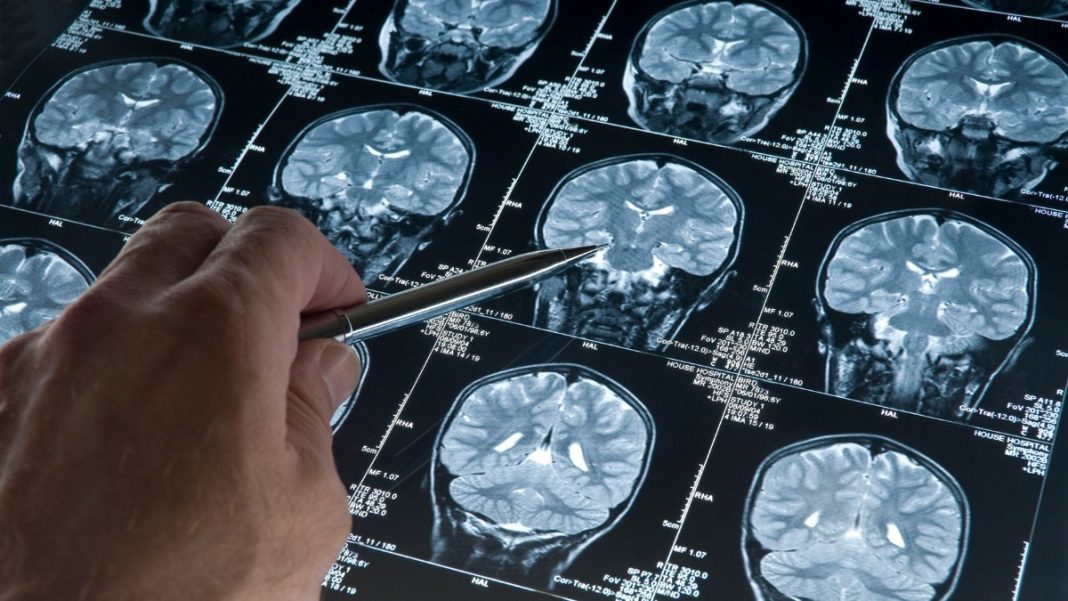
In a recent Health Wealth podcast, The Lancet editor-in-chief Richard Horton pointed out that as life expectancy increases, cases of dementia will rise and that we are not equipped to deal with it.

“We are going to see an epidemic of dementia as our population gets older,” Dr Horton said. India, specifically, is projected to suffer due to a lack of social care facilities for older people, but most other countries are also not doing too well on that front.
“This needs to be a national conversation about how you are going to create a system of social care,” he said, pointing out that even the UK doesn’t have an answer to this question.
A 2023 analysis found that around 7.4 percent, or 8.8 million Indians over the age of 60, have dementia. More females than males suffer from the condition. The problem is significantly challenging for India because its population is ageing rapidly. In 2025, around 11% of Indians were over 60 years, in the senior citizen category. By 2036, around 15% of India’s population will be over 60 years, and by 2050, this will rise to around 20%. The biggest risk factor for dementia is ageing, and as life expectancy increases, more people are prone to getting it.
WHAT IS DEMENTIA?
Dementia itself is not a disease; it’s a generic condition characterised by loss of memory and cognitive abilities, mostly related to age. It’s usually severe enough to interfere with basic everyday functions, but it does not affect consciousness.
According to the World Health Organization (WHO), dementia is the seventh-leading cause of death globally. It destroys nerve cells and damages the brain, and is commonly caused by ageing, injuries, or diseases, although the onset of symptoms below 65 years accounts for around 9 percent of cases. An analysis of the global burden of dementia in younger people, published by The Lancet Group in 2024, found that the global prevalence of the condition in individuals below 70 years of age increased by 122.33 percent in 2021.
Dementia not only affects patients but also their caregivers, families, extended circles, as well as their ability to contribute to society, and is a major public health challenge that burdens social infrastructure and economies.
Apart from genetics, common risk factors that can lead to dementia include ageing, high blood pressure, diabetes, obesity, smoking, excessive alcohol consumption, physical inactivity, social isolation, and depression.
Some early signs of dementia are forgetting recent events, losing/misplacing things and being unable to remember where they were placed, getting lost while walking or driving, confusion, losing track of time, and difficulty in solving problems, making decisions, remembering words and performing familiar tasks. As the condition worsens, patients can have difficulty even identifying family members and friends, have trouble eating, drinking, and moving around independently, lose bladder and bowel control, and experience behavioural changes like unprovoked aggression.
Currently, no cure exists for dementia, but it’s usually dealt with through supportive care.
COMMON TYPES OF DEMENTIA
Dementia exists in multiple forms. Some common types are:
Alzheimer’s disease: This is the most common form of dementia, and accounts for around 60-70% of cases. The most common symptom of Alzheimer’s disease is short-term memory loss, which is the ability to recall recent events.
Lewy-body dementia: This form of dementia is caused by abnormal deposits of alpha-synuclein protein in the brain. These deposits are called Lewy bodies. One of the most common symptoms is hallucinations.
Frontotemporal dementia: This affects the frontal and temporal lobes of the brain, which are associated with executive functioning, emotional responses, memory, and language.
Vascular dementia: This form of dementia is caused by damage to blood vessels in the brain or an interruption to the flow of blood and oxygen to the brain. Apart from the common symptoms associated with dementia, vascular dementia is also associated with mood changes, mood swings or sudden, stronger emotions.
Mixed dementia: This is a mix of two or more types of dementia.
IS DEMENTIA PREVENTABLE?
Dementia is not entirely preventable because of risk factors like genetics and age. However, some lifestyle factors aggravate the risk of the condition, and keeping them in check may be beneficial. This includes controlling high blood pressure, managing blood sugar, eating a healthy diet and maintaining a healthy bodyweight, doing regular physical activity, preventing head injuries, avoiding alcohol and smoking, etc.
THE SOCIAL AND ECONOMIC BURDEN OF DEMENTIA
India is seeing a significant and steady rise in dementia cases largely because people are living longer, and the social infrastructure is moving from joint to nuclear families. “This shift means many older adults are more socially isolated and have less day-to-day support,” Dr Annu Aggarwal, neurology consultant at Kokilaben Dhirubhai Ambani Hospital, Mumbai, said.
Symptoms are also often misunderstood as “signs of ageing”. “Many families dismiss early memory loss, confusion, or behaviour changes as just part of getting older. This delay is damaging because it pushes diagnosis to later stages, when treatment options, planning, and supportive interventions are more limited,” Dr Aggarwal said.
“Lack of awareness is a big reason why dementia patients in India don’t receive early and proper care,” Dr Goutam Gangopadhyay, Kolkata-based neurologist and professor, said.
Dementia is also not an inexpensive condition to manage, like most other diseases. India lacks social support systems to care for dementia patients, and provisional care is usually considered the responsibility of their families. A 2025 report by the WHO found that dementia cost $1.3 trillion globally in 2019. According to an analysis by the American Economic Association published in 2024, the annual cost of providing informal care for an individual with dementia in India was $703 higher than for one without dementia.
“Care costs include medicines, doctor visits, scans, possible nursing or home care, and lost work hours of caregivers,” Dr Aggarwal said. “Over time, this can become a substantial and sustained financial strain on families. In many cases, these are largely out-of-pocket expenses, which can slowly drain savings and affect long-term financial security,” she added.
The economic cost of dementia management is one aspect. Caring for patients can also lead to severe emotional distress and drastic changes in how the family would otherwise function. For example, a primary caregiver may need to give up their job to be present with the patient, which alters family income and hinders their career. “There is also the emotional toll of watching a loved one gradually lose independence and personality, which can lead to anxiety, depression, and caregiver burnout,” Dr Aggarwal said.
Most Indian insurance providers do not cover long-term dementia care, and government care facilities are mostly scarce. In this case, the entire responsibility of caring for patients falls on the families. Some NGOs and agencies provide serviced residential facilities as well as trained nurses to care at home, but these are limited to larger cities and are considerably pricey.
HOW CAN WE HELP DEMENTIA PATIENTS?
According to Dr Gangopadhyay, maintaining a strict daily routine for dementia patients is the most important. This includes fixed meal timings, regular sleep, keeping everything in its exact place, and also maintaining a daily checklist of activities.
“It is important for caregivers and families to maintain positivity around dementia patients,” he said. “Family members should be counselled not to be anxious, because their own mental health also affects the quality of care that patients receive,” Dr Gangopadhyay added.
“While digital health tools and AI can help extend reach and improve early detection, they cannot replace the need for trained human resources, and urgent investment in workforce training is essential,” Dr Aggarwal said.
Specialist care is also mostly limited to bigger cities, and they need to be upscaled to cover rural areas too. “Public and private funding systems are the need of the hour to help dementia patients,” Dr Aggarwal said.